What our CAN bus fault checks cover
Our checks start with the basics that matter on a modern vehicle network. We read fault codes, compare live data, test battery condition and charging voltage, then inspect the earth points, fuses, connectors and network wiring that feed the control modules. Where the pattern points to a communication issue, we narrow it down to one branch, one connector or one module at a time.
This service is useful where the fault is not a single failed part but a network issue that can affect starting, lighting, central locking, instrument clusters, ABS, comfort systems or engine management. Some cases are a loose terminal or corrosion in a connector. Others need continuity checks, voltage drop testing and careful tracing through looms that have been rubbed, crushed or altered.
- OBD fault code reading and code clearing after testing
- Live data checks for module signals and supply readings
- Battery and charging system checks linked to network faults
- Parasitic drain checks where a module stays awake
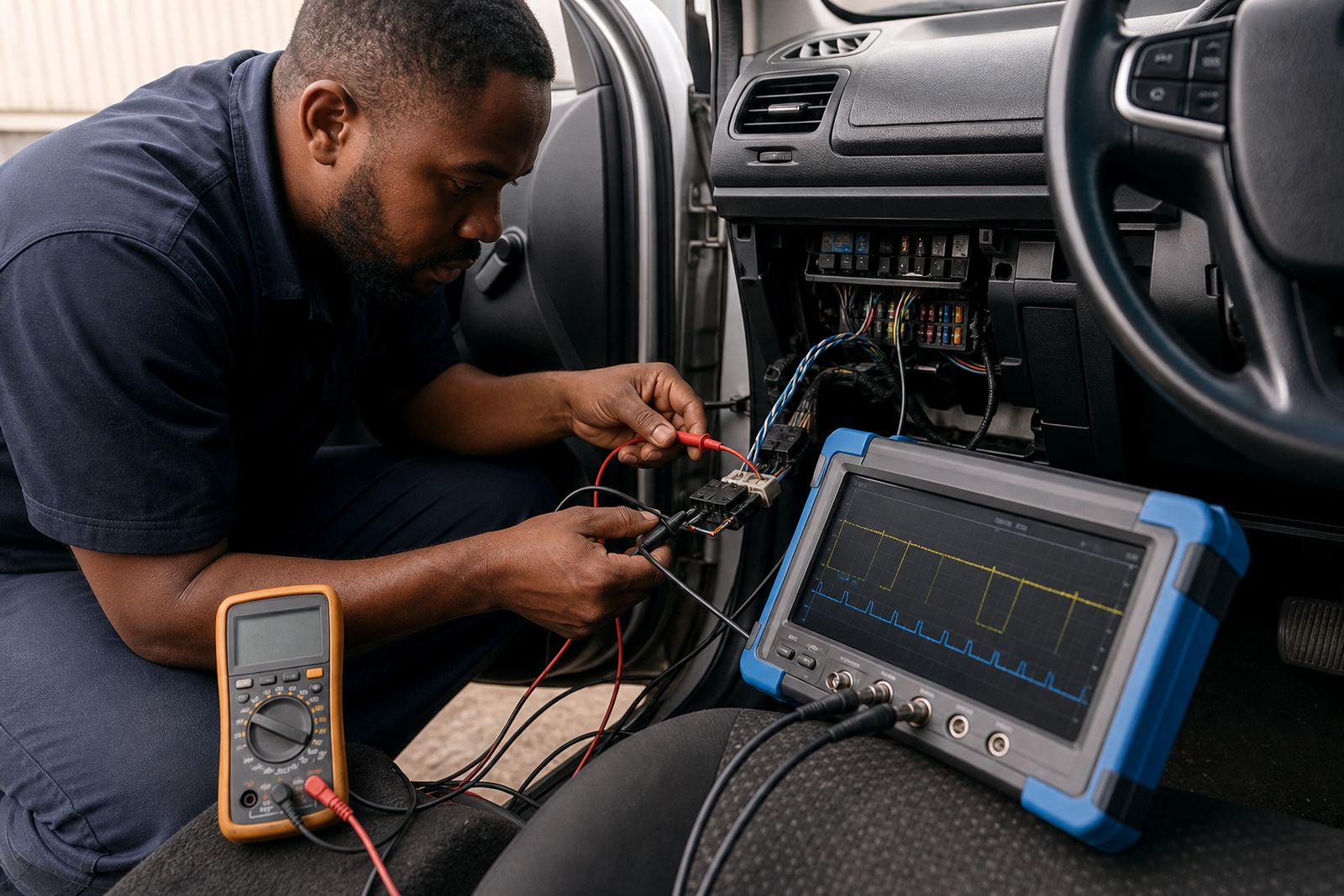
- Continuity, earth and voltage drop testing on suspect circuits
How the fault tracing is done in the workshop
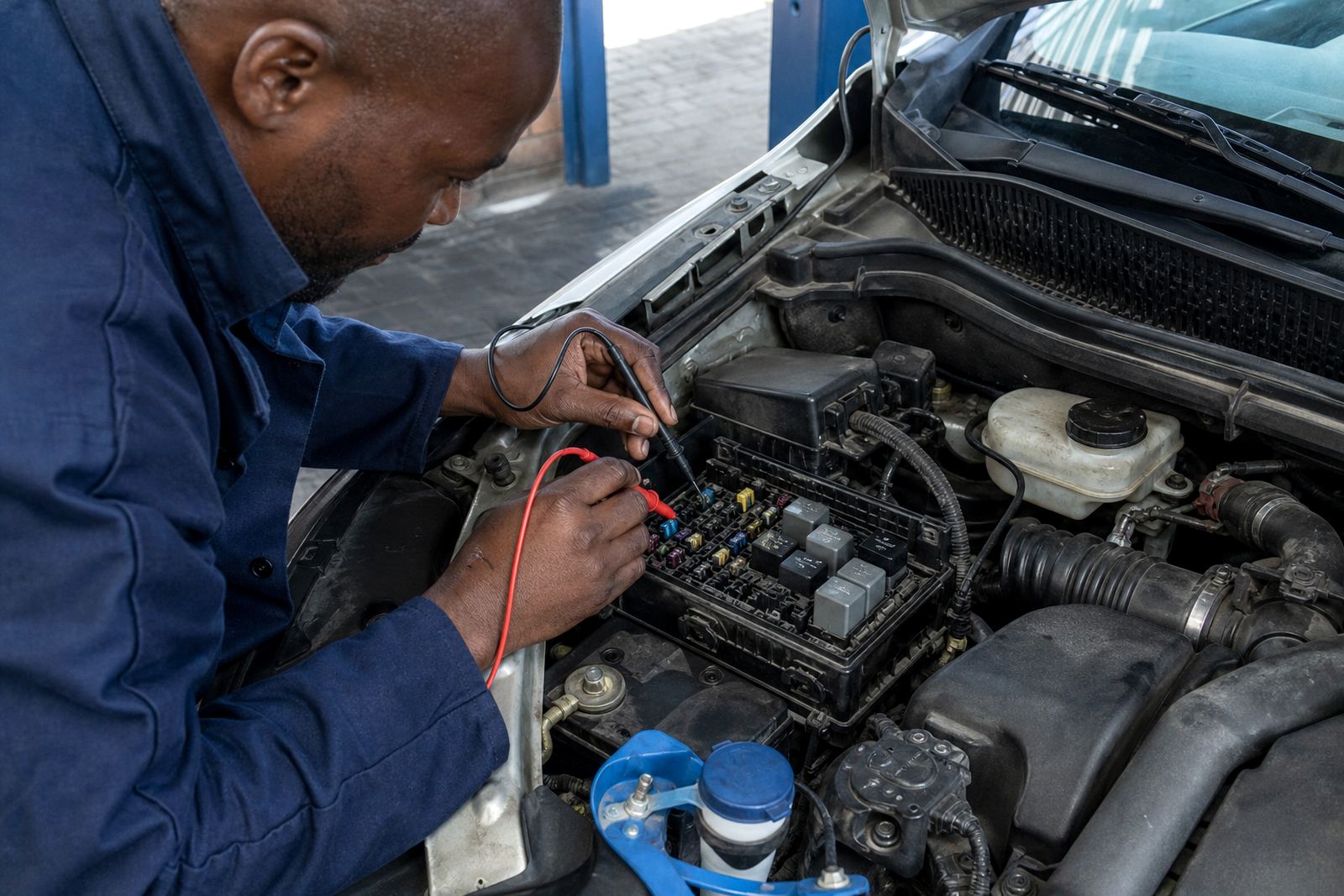
We begin at the power source and work outward. That means battery state, alternator output, starter draw where needed, main fuses, earth straps and feed circuits before the network is tested. If a module is losing power or seeing unstable voltage, the CAN line may only look faulty because the supply problem is dragging the whole system down.
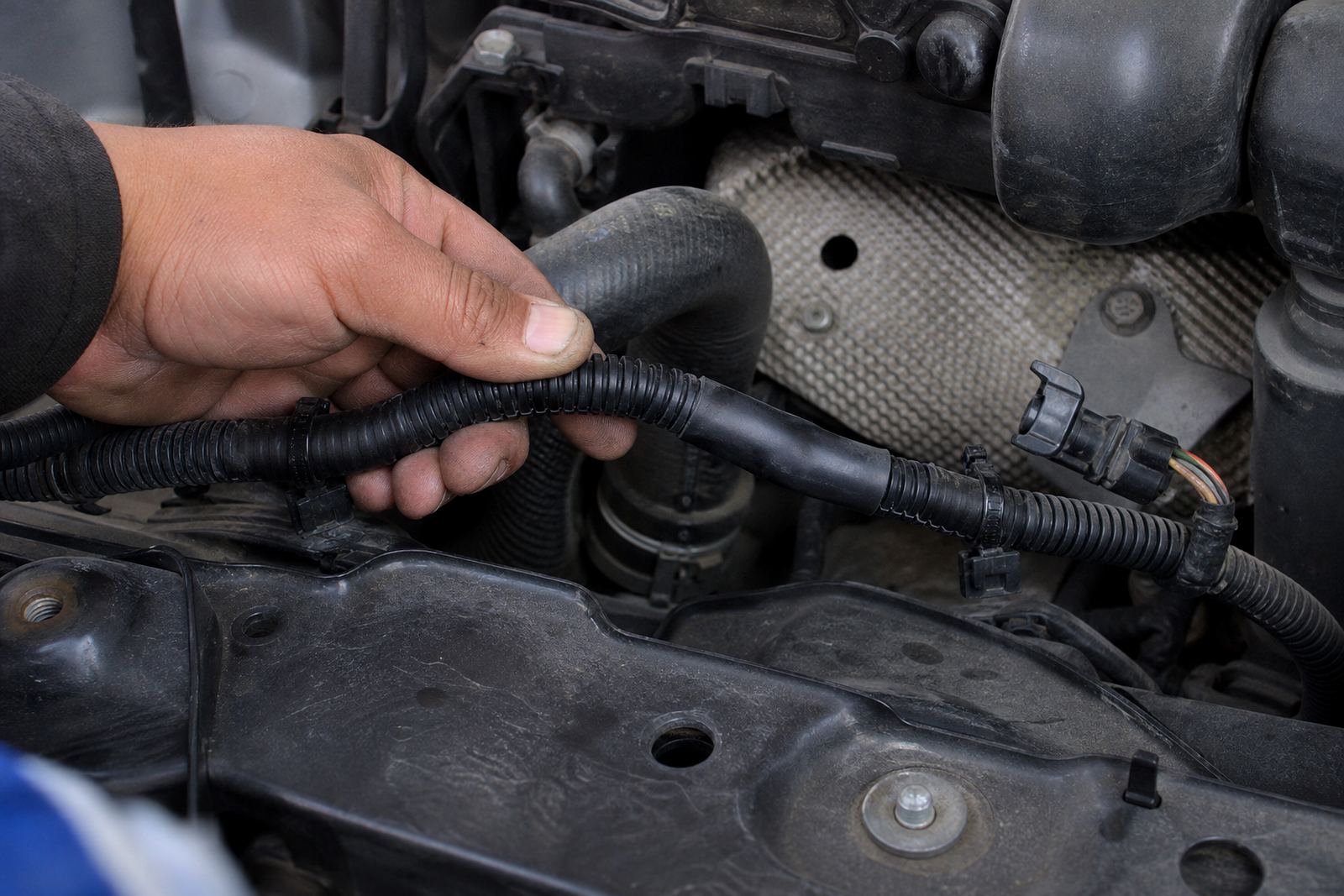
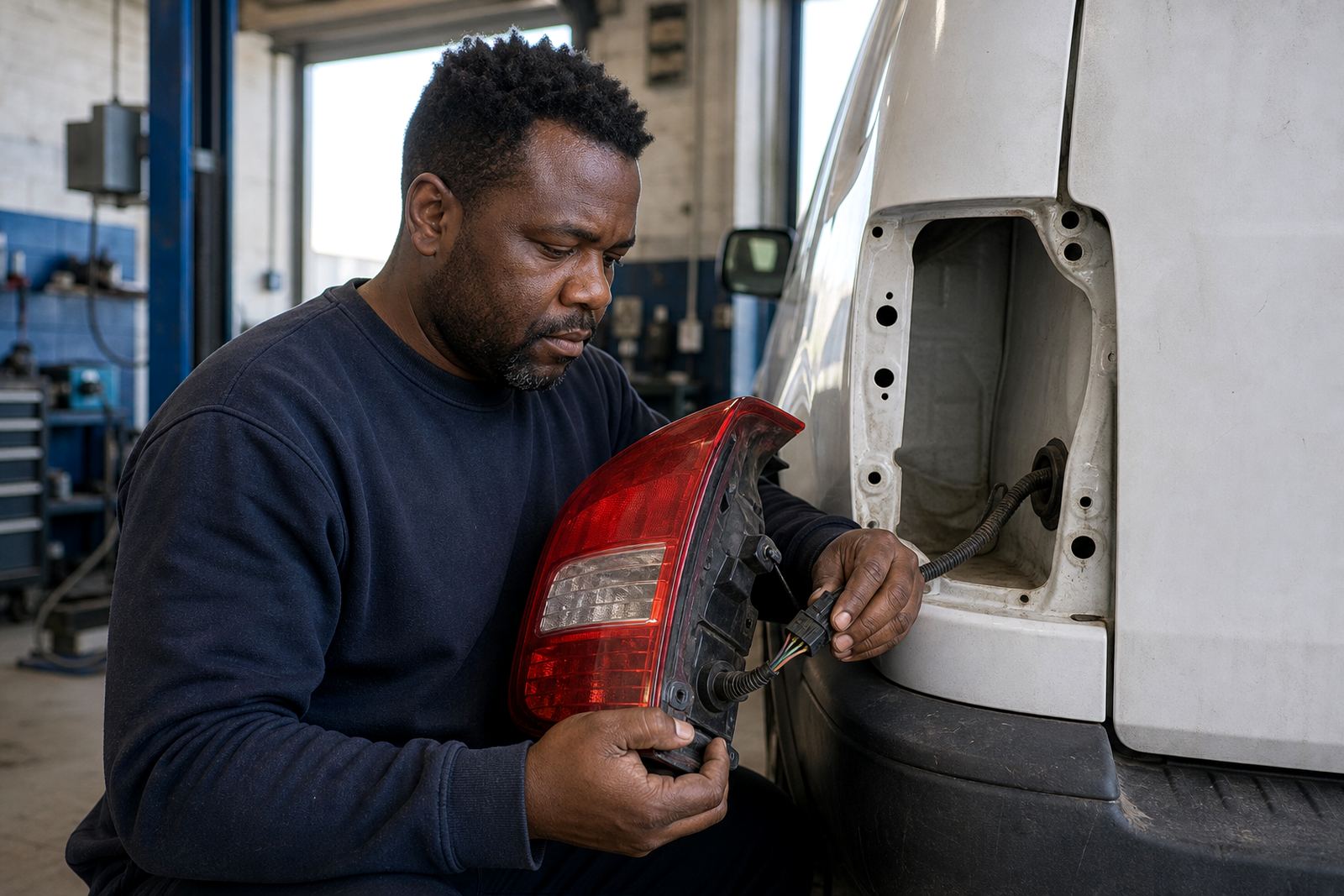
From there we inspect the network path and look for signs of water ingress, previous repairs, poor crimps, broken insulation and connector spread. On many vehicles the issue is not the CAN wire itself but the condition around it. A pin that has opened up by a fraction can create random faults that come and go with vibration, heat or moisture.
- Visual inspection of looms, plugs and terminal condition
- Voltage checks at key modules and junction points
- Resistance and signal integrity checks where access allows
- Verification of repair quality on earlier wiring work
- Post-repair confirmation against the original fault pattern
Workshop and mobile call-out work across the Western Cape
Most CAN bus fault checks are carried out in our Montague Gardens workshop where we can test properly and get to the wiring without rushing the job. For fleet operators and private owners in Cape Town, Bellville, Milnerton, Somerset West, Paarl, Brackenfell and Durbanville, we also handle mobile call-outs where the fault, parking and access make that practical.
Mobile work suits checks that need a first pass on site, including no-start complaints, intermittent warnings, battery drain concerns and vehicles that should not be driven far until the problem is understood. If the fault needs deeper bench testing, loom opening or component removal, we move the vehicle into the workshop for proper tracing.
- Fleet vehicles parked at depots, yards or loading areas
- Private vehicles at home, office or secure parking sites
- Basic roadside assessment where the vehicle is safe to inspect
- Workshop testing for deeper diagnostics and repairs
What happens after the fault is found
Once the fault line is found, we repair the wiring, clean the connections, restore damaged earths or replace the affected section where that is the sensible fix. If the issue points to a starter circuit, alternator output fault, battery drain or charging problem that is upsetting the network, we deal with that as part of the same job.
We also fit trackers and accessories where those installations have disturbed the vehicle network or created a parasitic drain. Poor accessory wiring can create strange symptoms on CAN controlled vehicles, so a tidy installation matters as much as the component itself.
- Wire repair, pin repair and connector restoration
- Starter, alternator and charging system repairs
- Accessory rewiring with correct fused supply and earth points
- Tracker fitting for fleet and private vehicles
Turnaround and pricing approach
CAN bus faults are priced according to the time needed for tracing, the access to the wiring and the amount of testing involved. A quick connector fault is not the same as a buried loom break behind trim or a recurring network issue that has already had previous repairs. We set out the work in plain terms before anything is opened up or replaced.
Turnaround depends on what the vehicle is doing, how easy the affected circuits are to reach and whether the fault shows up consistently during testing. Some faults are straightforward once the source is isolated. Others need staged testing, especially when several modules are reporting symptoms from the same electrical cause.
- Quoted on diagnostics time, repair labour and parts used
- No parts are replaced just to guess at the fault
- Written repair scope where the job needs staged testing
- Suitable for one vehicle or a small fleet line-up
Aftercare for vehicles that have been repaired
After the repair, we clear the stored faults where appropriate and recheck live data to confirm that the module communication is stable. If the job involved a battery drain or charging fault, we verify that resting current and system voltage are back in line with normal operation. If a tracker or accessory was fitted, the installation is checked for secure routing, correct protection and tidy earth points.
We also explain the parts of the system that were involved so you know what was fixed and what should be watched if another warning returns. That helps fleets keep records and helps private owners avoid repeat work on the same circuit.
- Fault code recheck after repair
- Live data confirmation on the repaired circuit
- Battery drain verification where that was part of the job
- Handover notes for fleet and private customers
Key facts
| Service area | Montague Gardens, Cape Town and mobile call-outs across the Western Cape |
|---|---|
| Network systems checked | CAN bus communication, power supply, earths and module feeds |
| Diagnostic methods | OBD fault codes, live data, voltage drop testing and continuity checks |
| Common related faults | No-starts, warning lights, dead modules, battery drain and intermittent electrical issues |
| Vehicle types | Fleet vehicles, private cars, light commercial vehicles and work vehicles |
| Related repairs | Wiring repairs, starter repairs, alternator repairs, tracker and accessory fitting |