




Skip to content
Home / Notes

Workshop Notes

Most auto electrical faults follow a few patterns, from flat batteries and slow cranking to warning lights after an accessory fitment. Knowing them helps owners and fleet supervisors describe a fault clearly before the vehicle comes in.

Workshop Notes
What OBD Codes Mean

What OBD Codes Mean

A simple explanation of fault codes, why they appear and why a code is only the first clue.

Reading Live Data

Reading Live Data

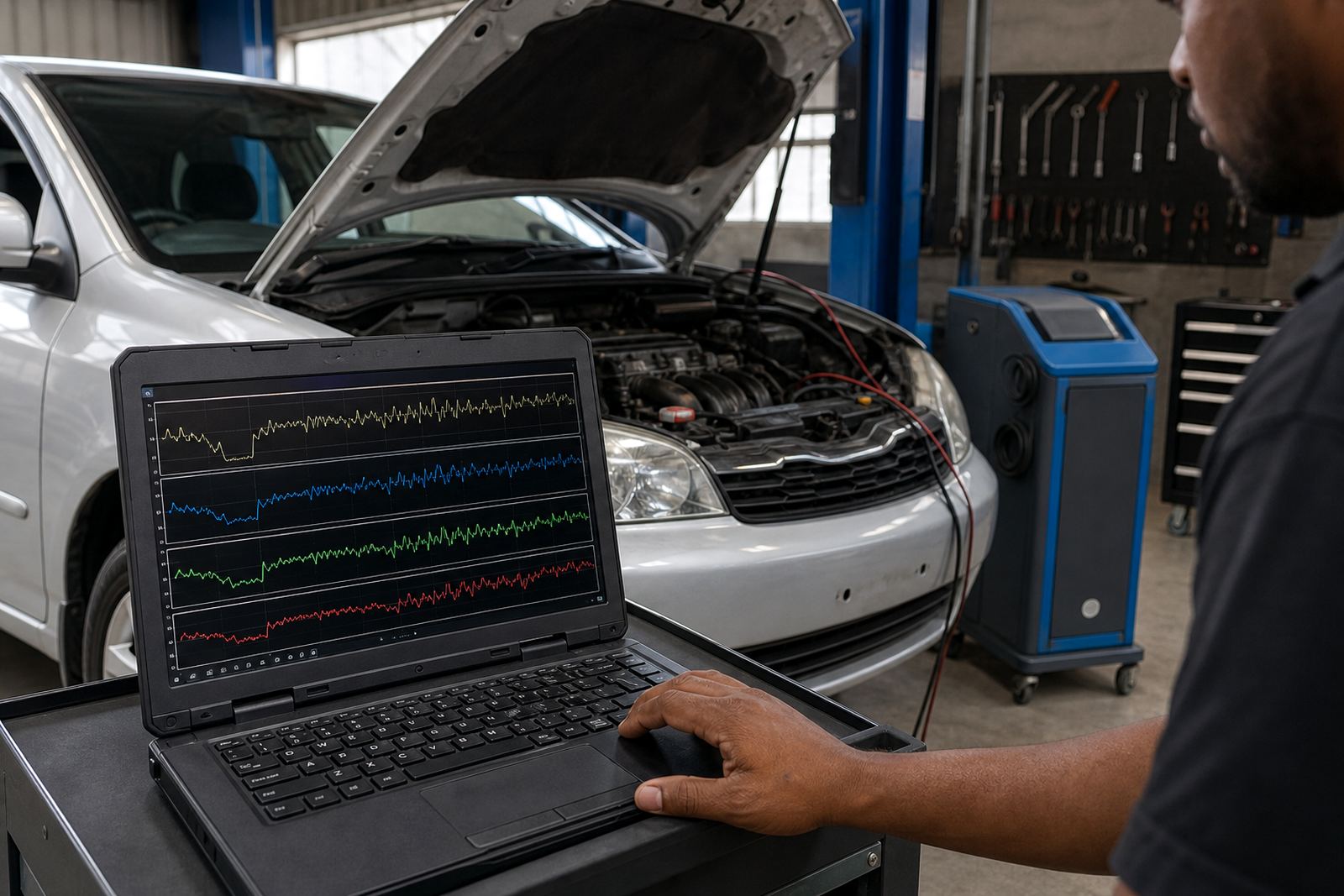
Live data helps compare what sensors report against what the vehicle should be doing.

Battery Test Basics

Battery Test Basics

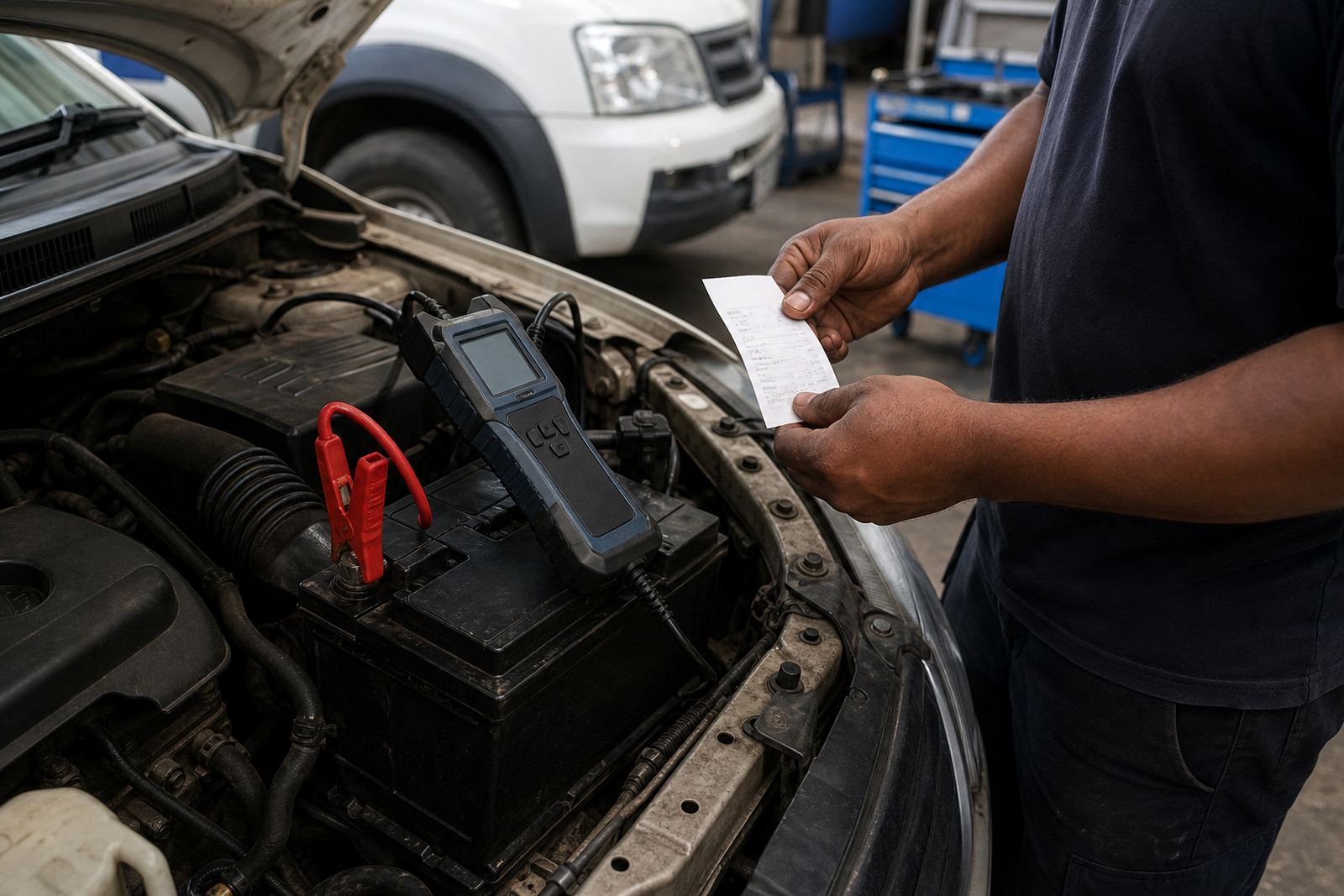
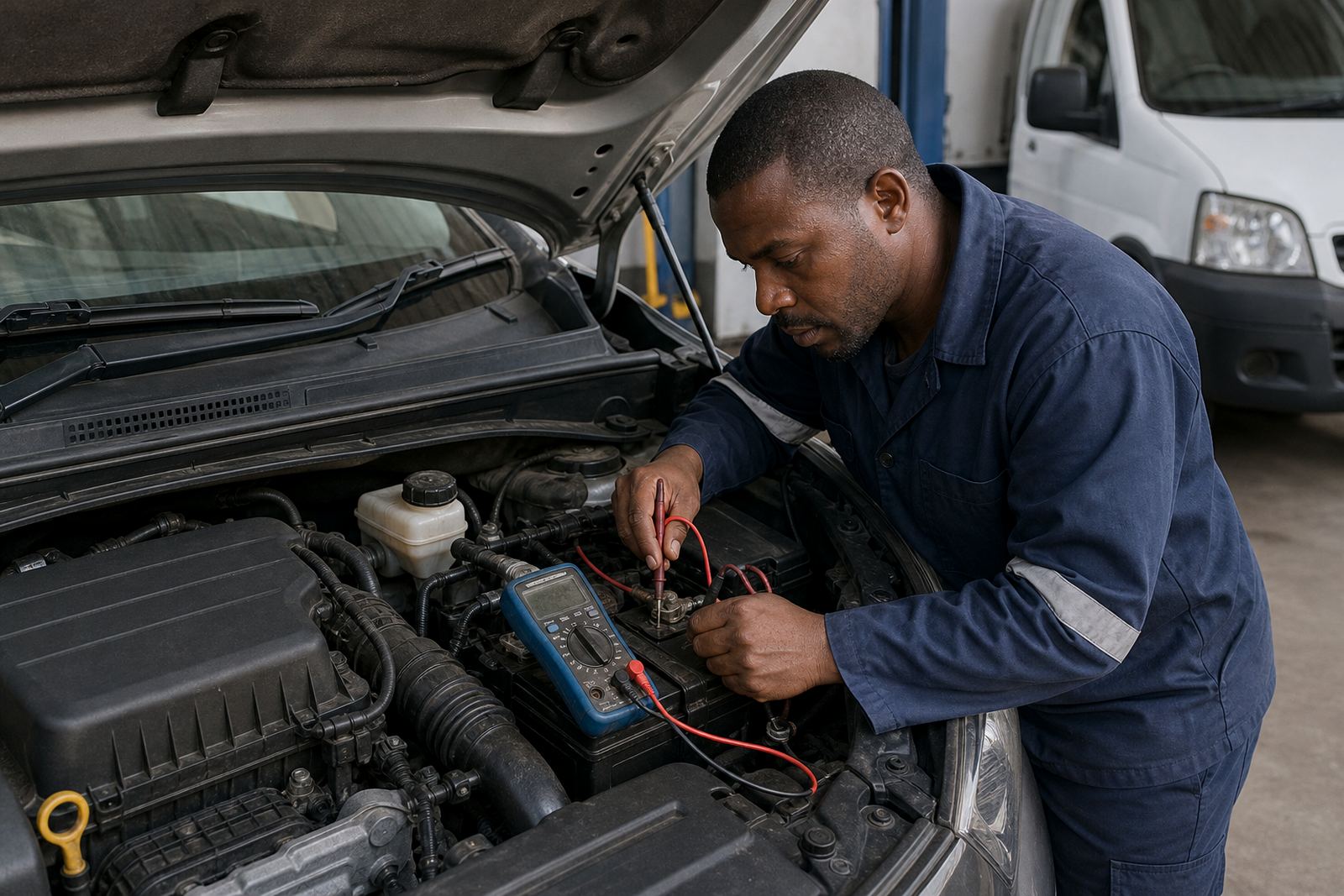
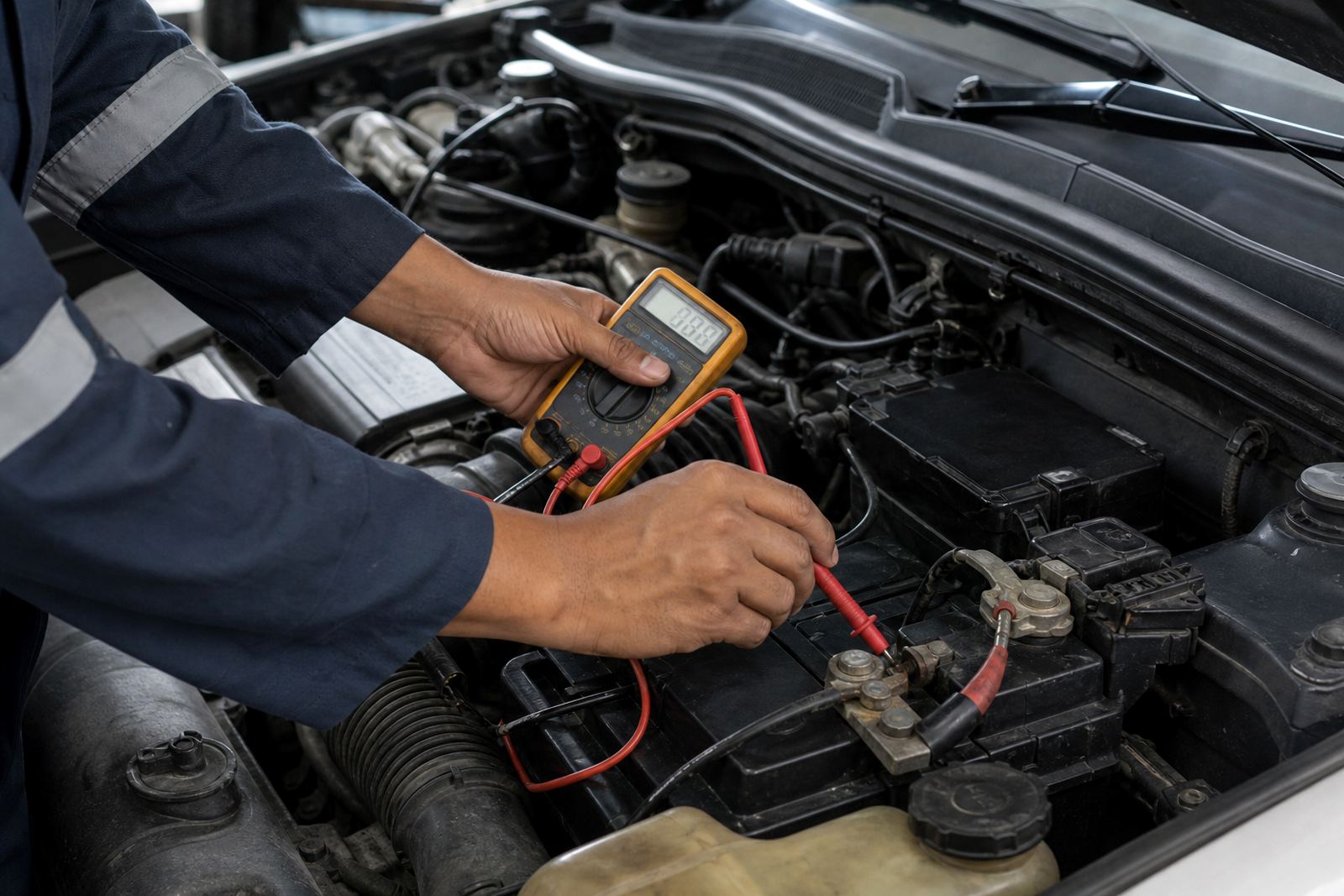
Voltage alone is not enough, so battery testing should include cranking and load behaviour.

Charging Test Basics

Charging Test Basics

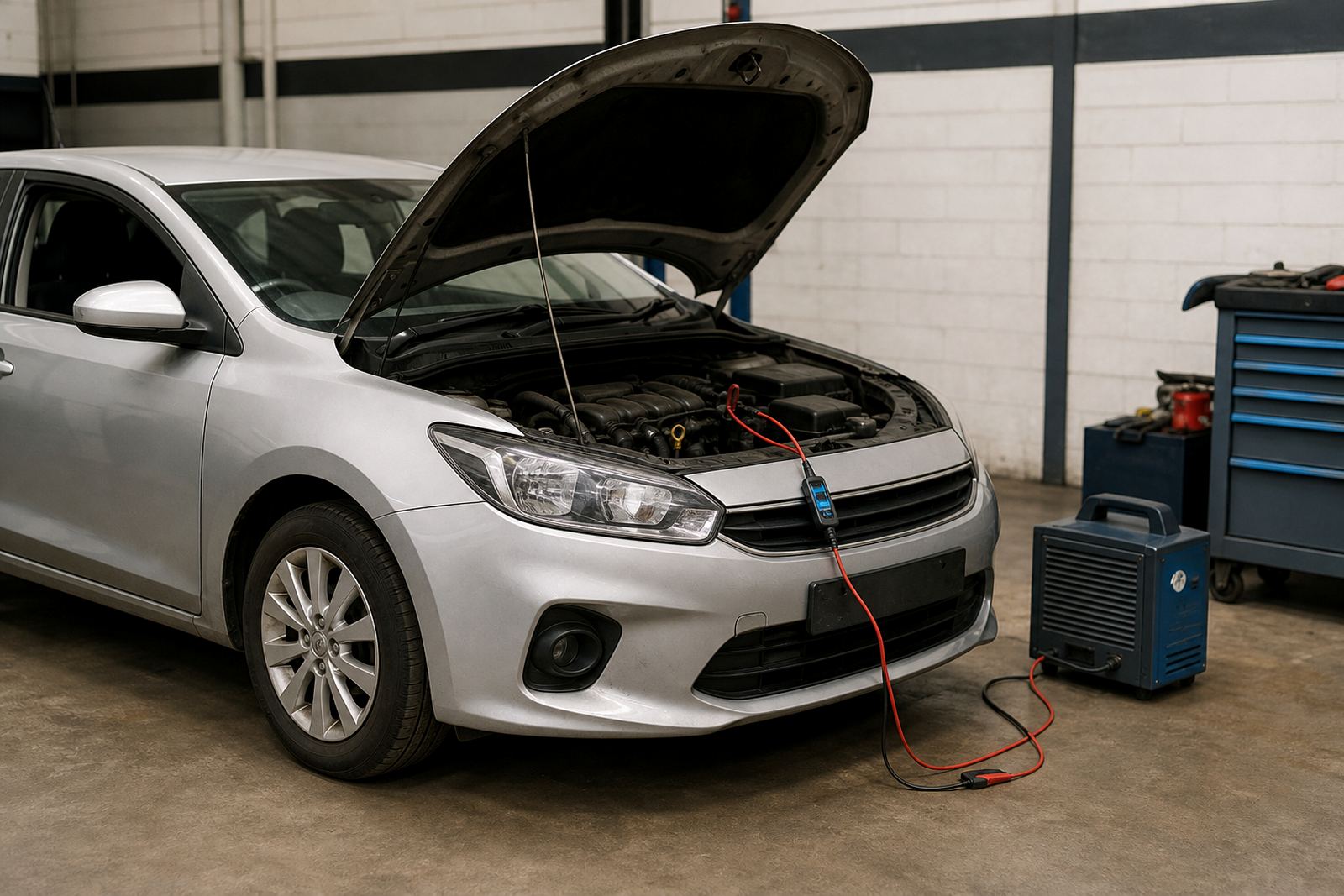
A charging system test checks voltage, cable condition and output under electrical load.

Parasitic Drain Signs

Parasitic Drain Signs

Repeated flat batteries after standing can point to an abnormal after-hours current draw.

Slow Crank Causes

Slow Crank Causes

Slow cranking can come from weak batteries, poor cables, bad earths or a tired starter.

Alternator Failure Clues

Alternator Failure Clues

Dimming lights, warning lamps and low charging voltage often point toward charging faults.

Starter Failure Clues

Starter Failure Clues

Clicks, no-crank symptoms and intermittent starts need proper starter circuit testing.

Wiring Fault Patterns

Wiring Fault Patterns

Heat, vibration, moisture and previous repairs often shape how wiring faults appear.

Earth Problem Symptoms

Earth Problem Symptoms

Weak earths can cause dim lights, false codes, hard starts and odd intermittent faults.

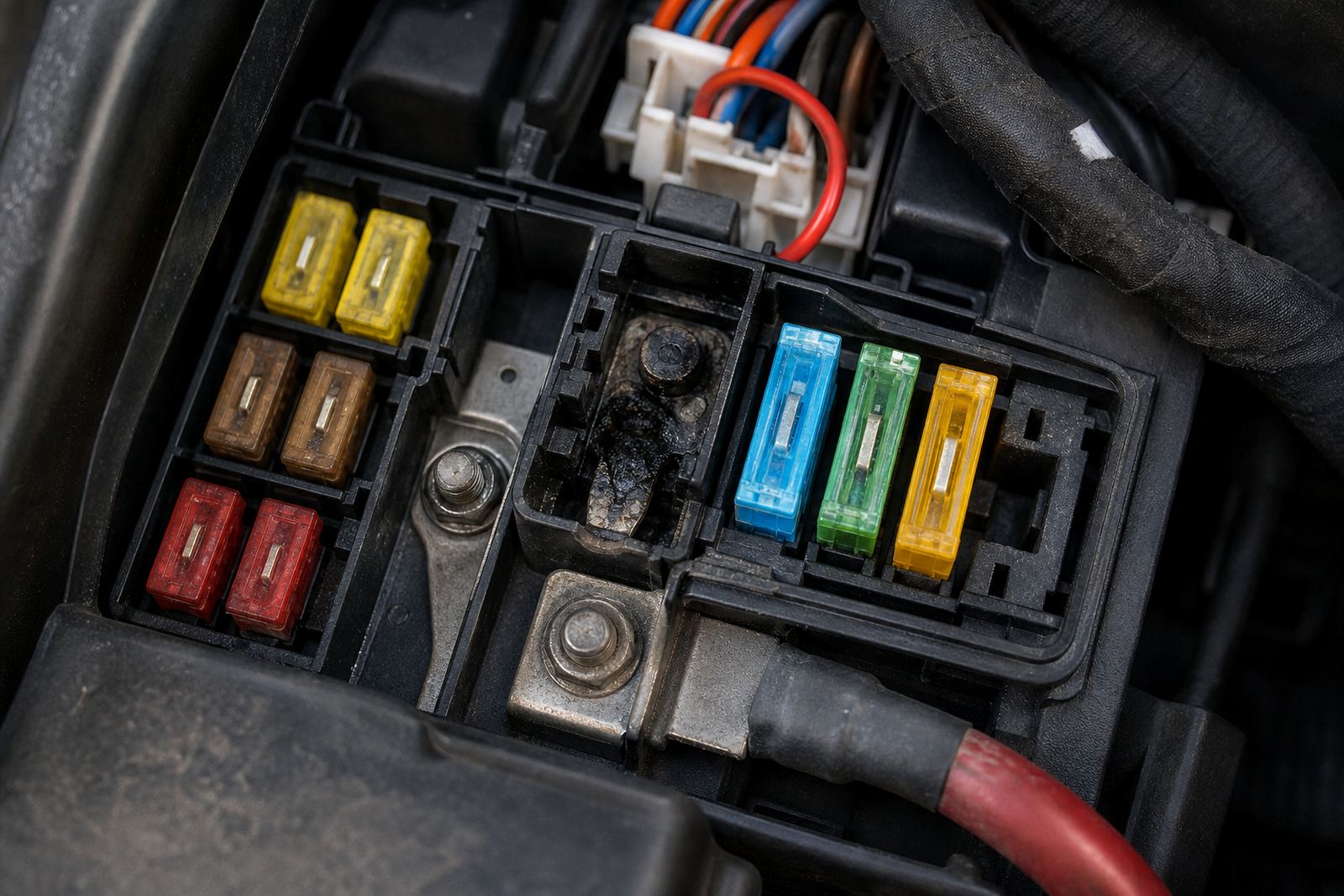
Fuse Box Troubles

Fuse Box Troubles

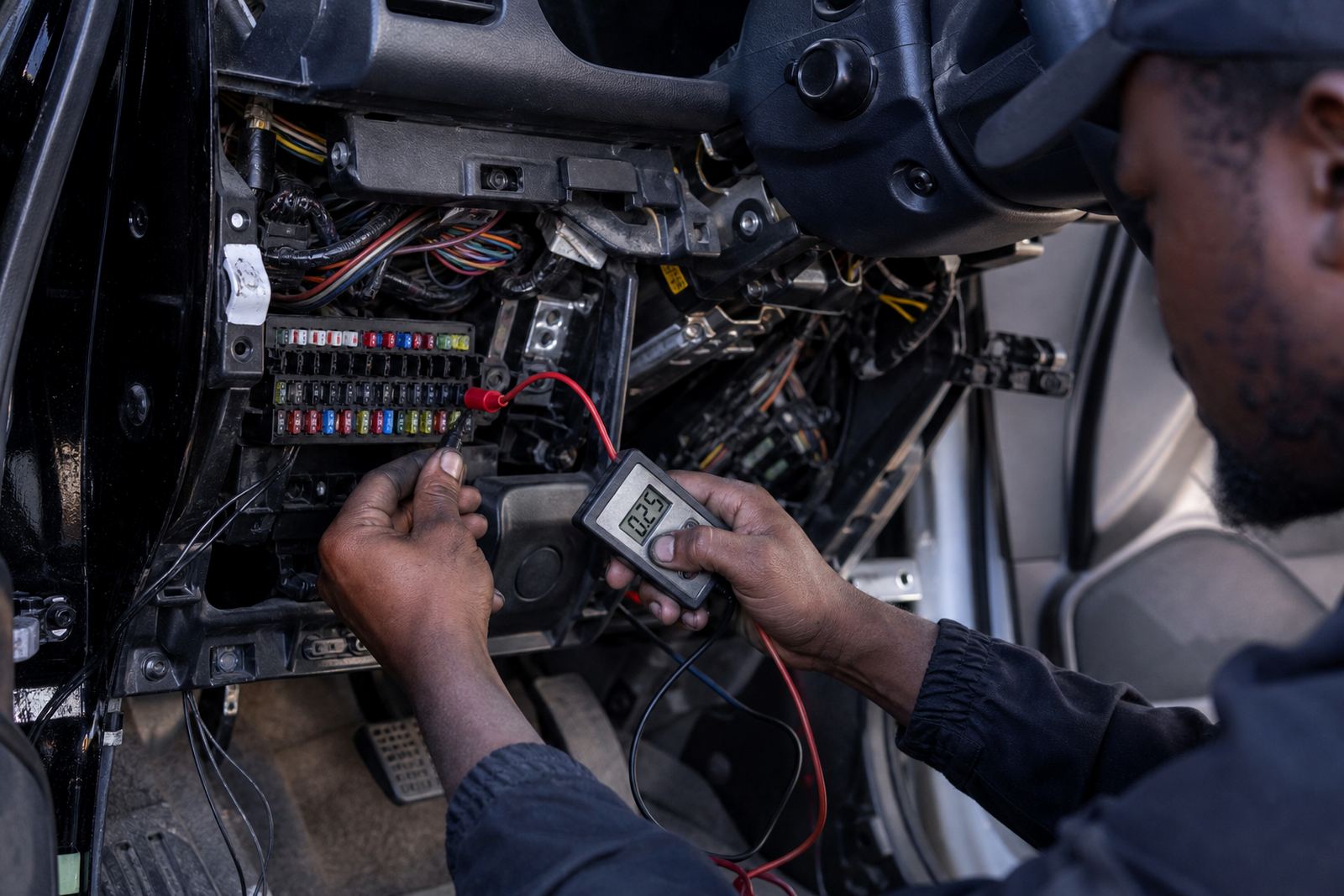
Loose terminals and heat damage inside fuse boxes can interrupt power to critical circuits.

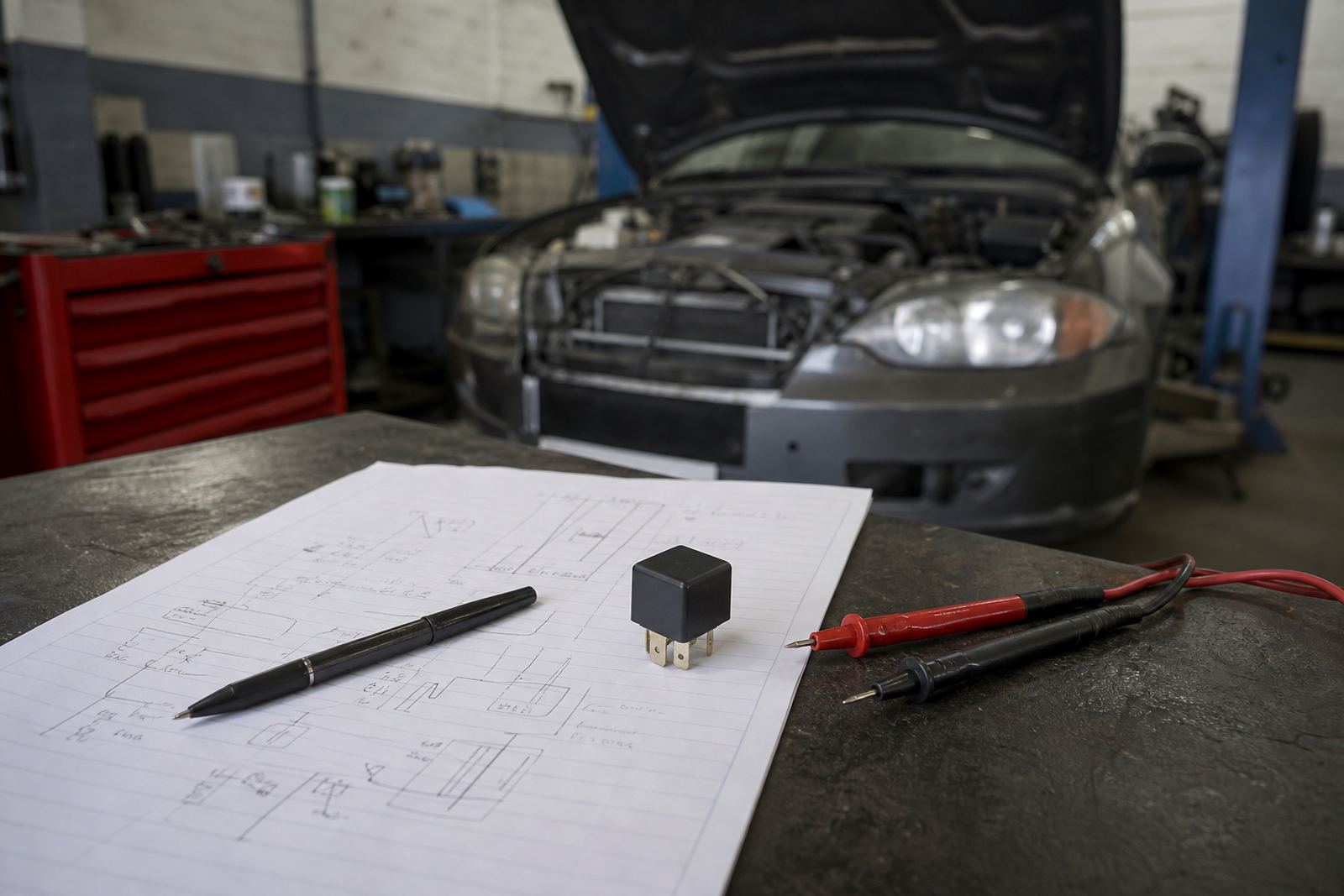
Relay Testing Basics

Relay Testing Basics

Relays should be checked for both command signal and actual switched output.

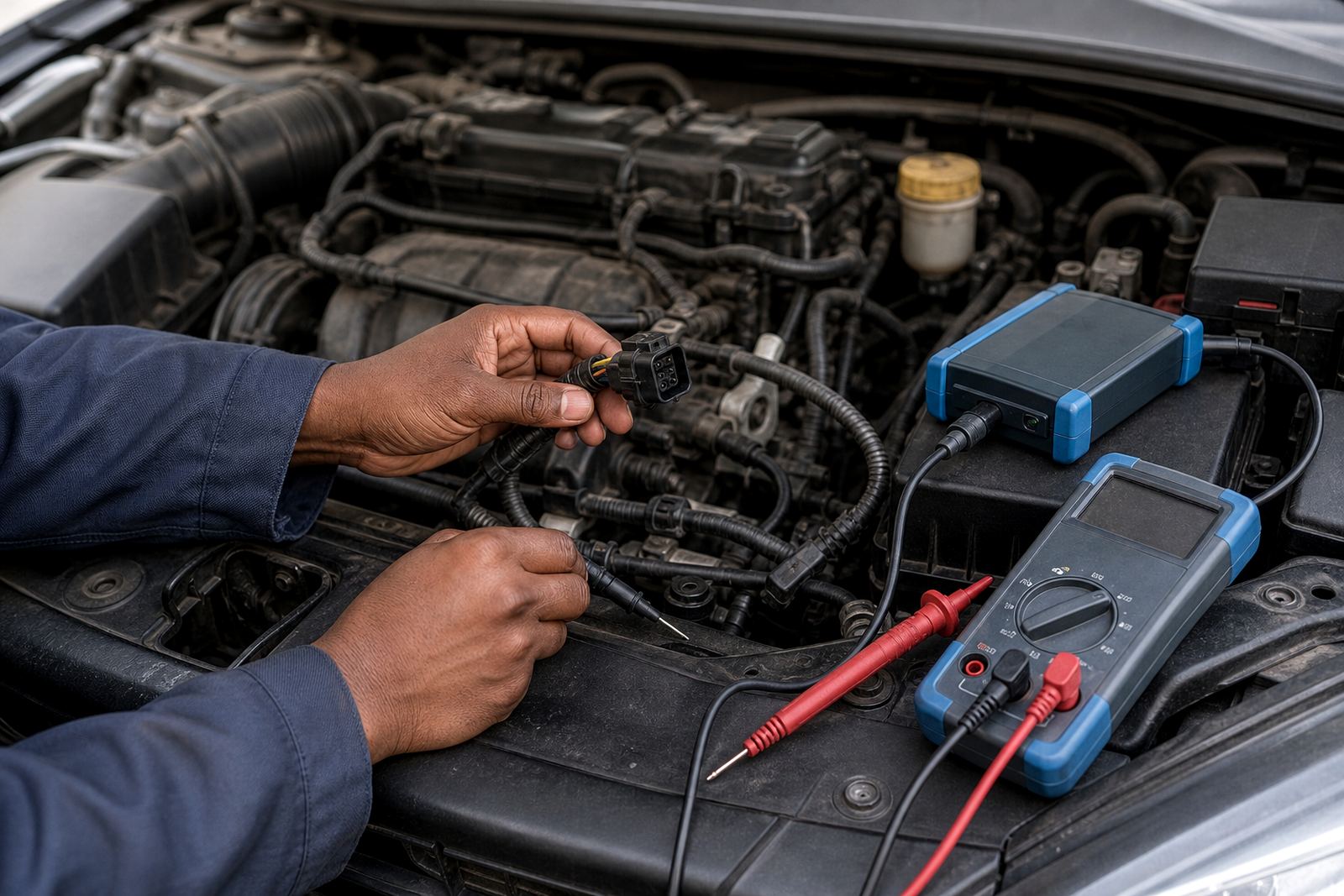
Sensor Vs Wiring

Sensor Vs Wiring

Good diagnosis separates a failed sensor from a supply, earth or signal wiring problem.

Warning Light Steps

Warning Light Steps

A warning light should lead to scan results, supporting tests and repair confirmation.

No Start Checks

No Start Checks

No-start diagnosis begins with cranking behaviour, supply checks and fault code review.

Intermittent Faults

Intermittent Faults

Intermittent issues need patient testing because the fault may not be present on arrival.

CAN Bus Basics

CAN Bus Basics

Modern modules share information on paired communication wires that must stay electrically healthy.

Module Power Supplies

Module Power Supplies

Many communication complaints are rooted in missing power or ground at a control unit.

Voltage Drop Explained

Voltage Drop Explained

Voltage drop testing reveals resistance that a simple continuity check may miss.

Battery Draw After Fitment

Battery Draw After Fitment

Accessory installations can create battery drain if power sources are chosen poorly.

Tracker Fitment Basics

Tracker Fitment Basics

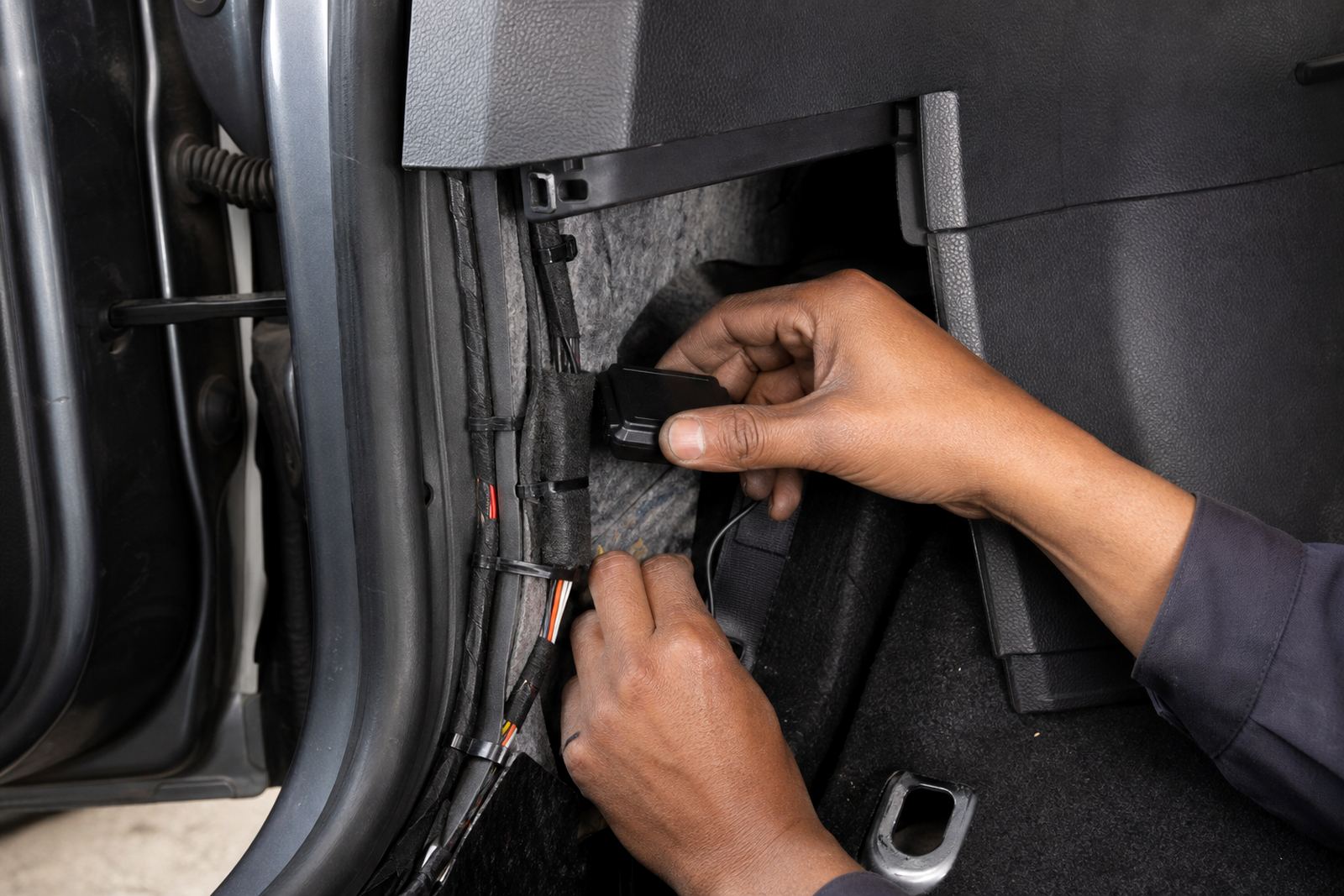
Tracker wiring should be secure, fused and hidden without harming existing harnesses.

Dashcam Power Options

Dashcam Power Options

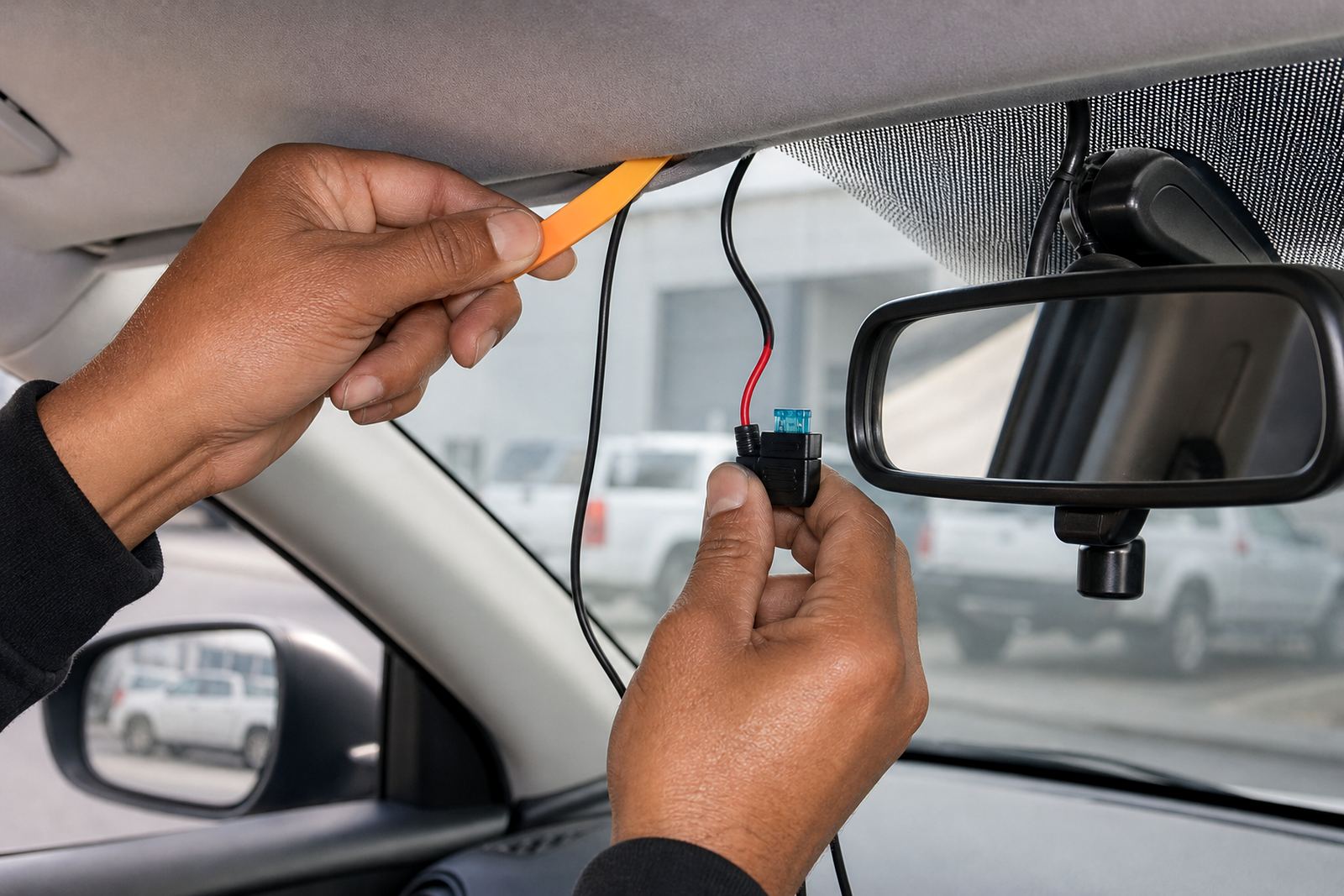
Camera power can be taken from switched or constant feeds depending on intended use.

Reverse Camera Wiring

Reverse Camera Wiring

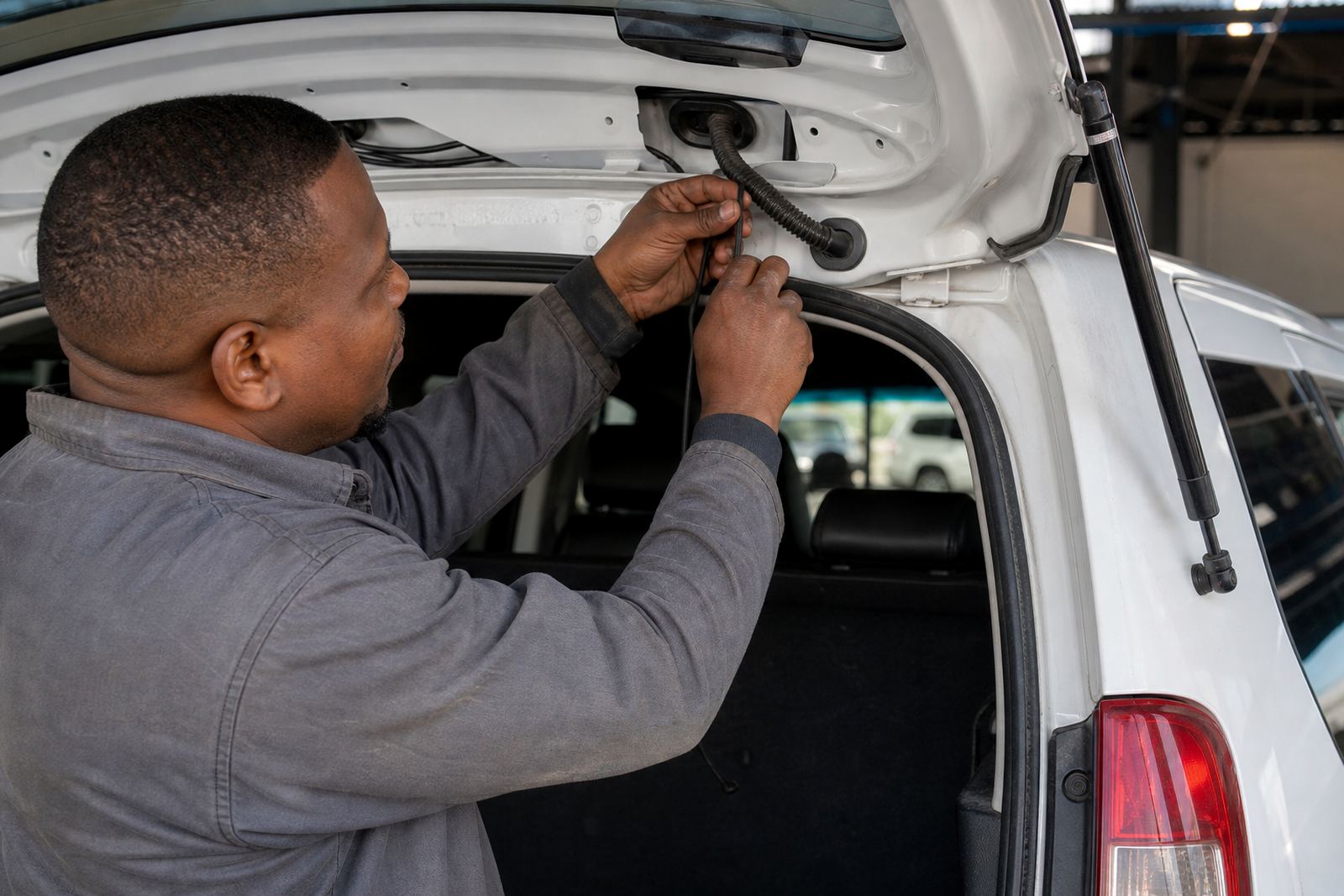
Reverse camera fitting needs stable supply, image cable protection and careful rear routing.

Trailer Plug Faults

Trailer Plug Faults

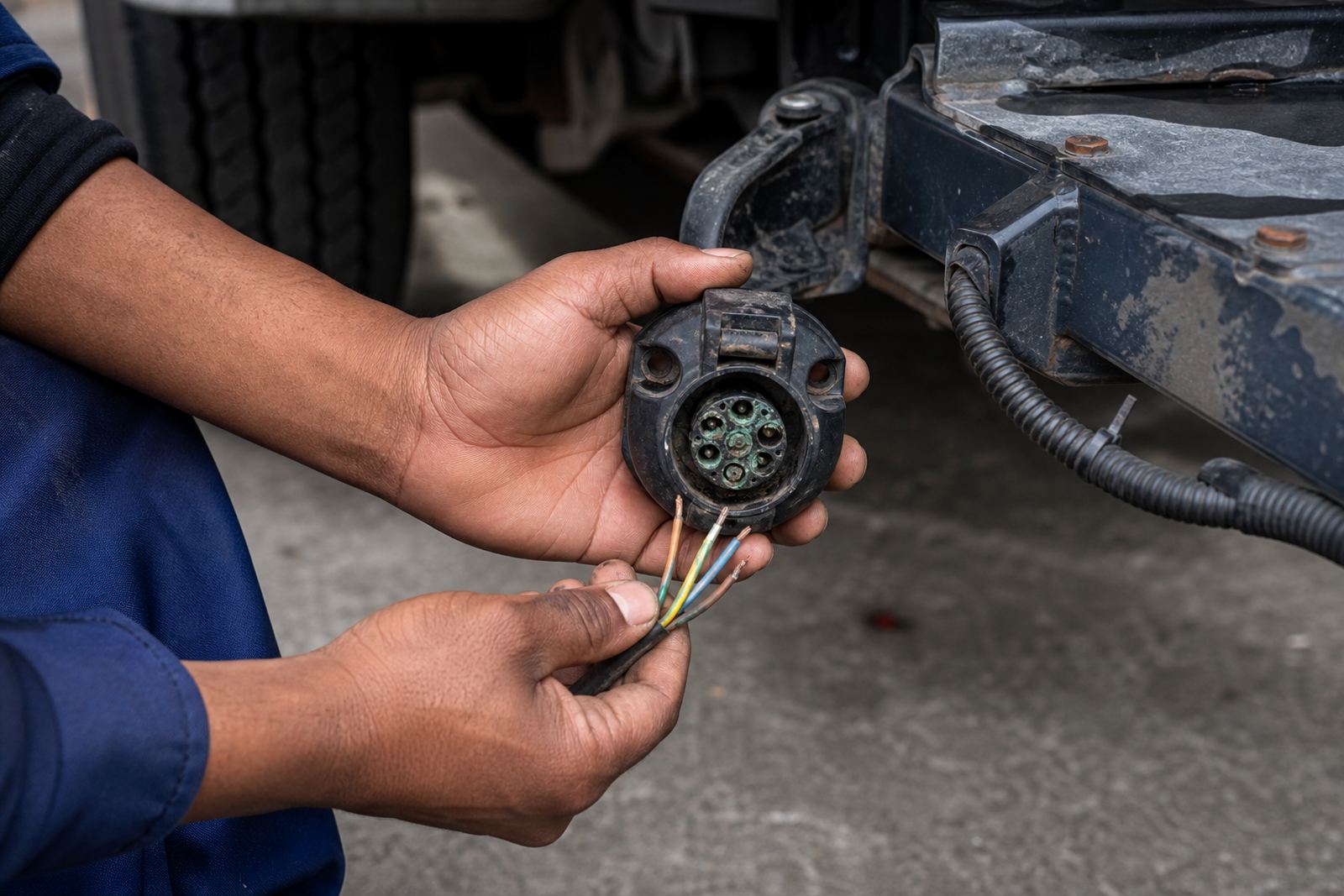
Corrosion, poor earths and incorrect joins are common trailer socket problems.

Light Circuit Faults

Light Circuit Faults

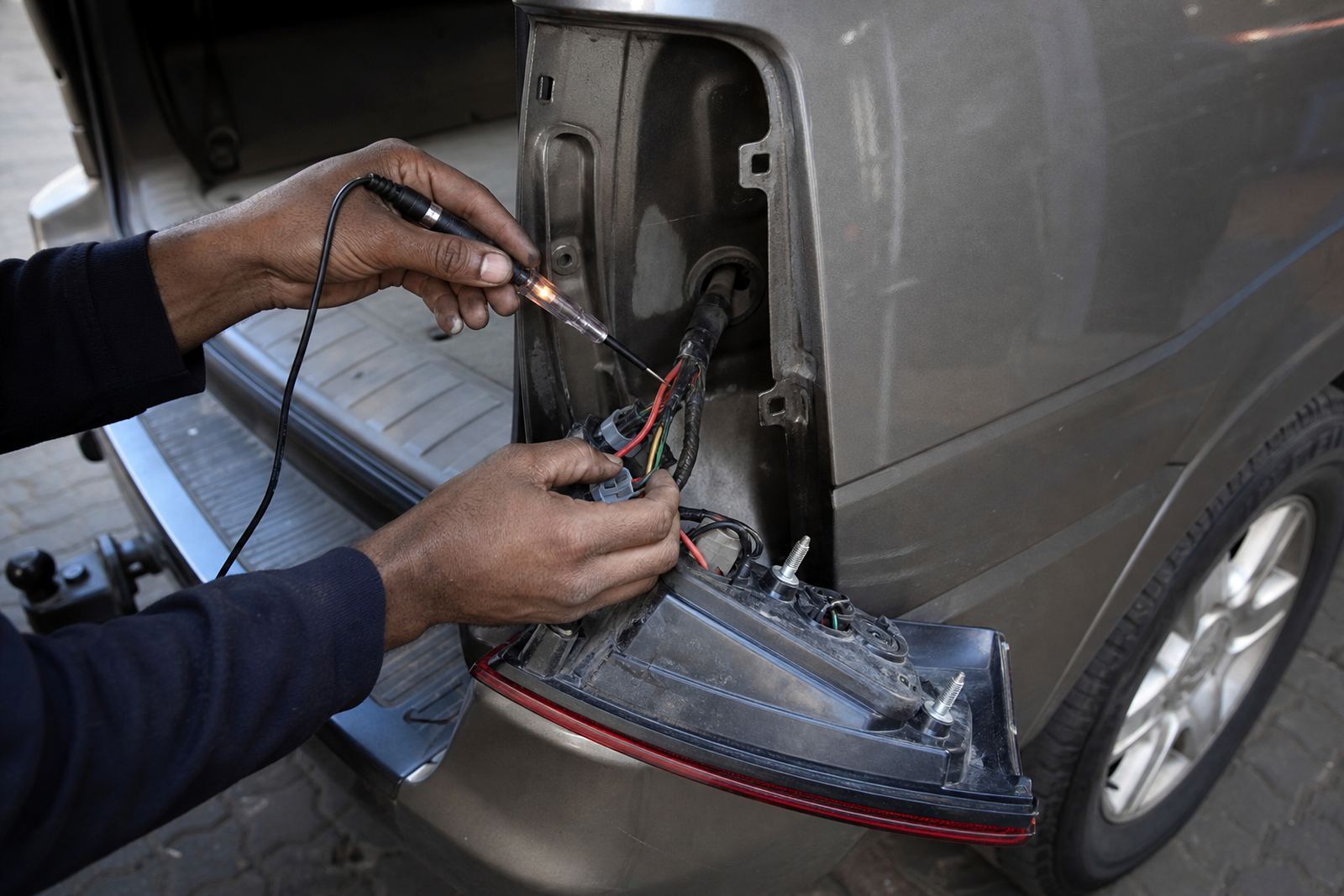
Lighting faults are best approached by checking feed, switch side and earth path methodically.

Fleet Downtime Reduction

Fleet Downtime Reduction

Early electrical testing can prevent breakdowns and keep fleet vehicles available longer.

Mobile Diagnostic Visit

Mobile Diagnostic Visit

An on-site visit usually starts with symptom review, code scan and key electrical tests.

When Bench Testing Helps

When Bench Testing Helps

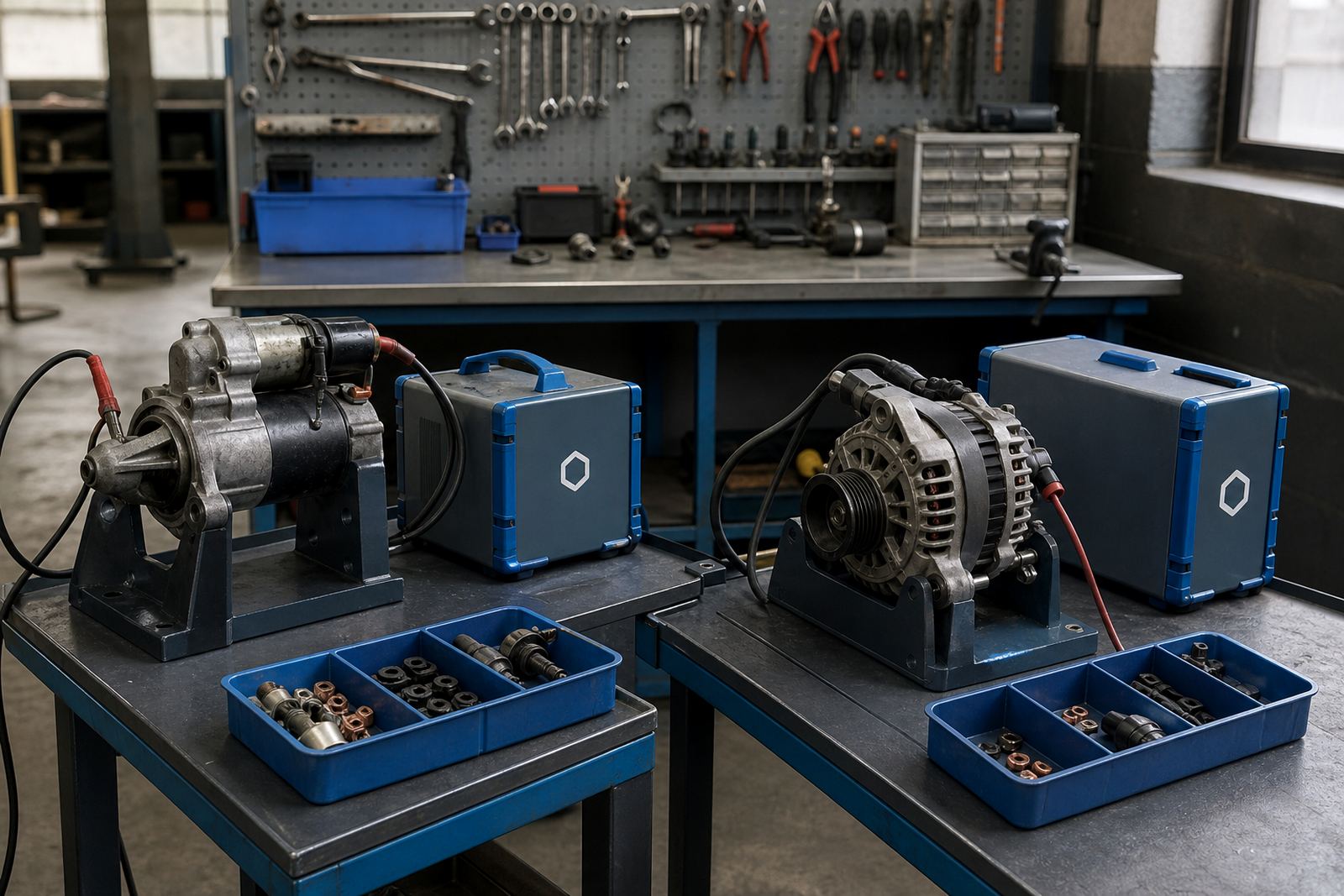
Removed starters and alternators can be tested separately to confirm workshop findings.

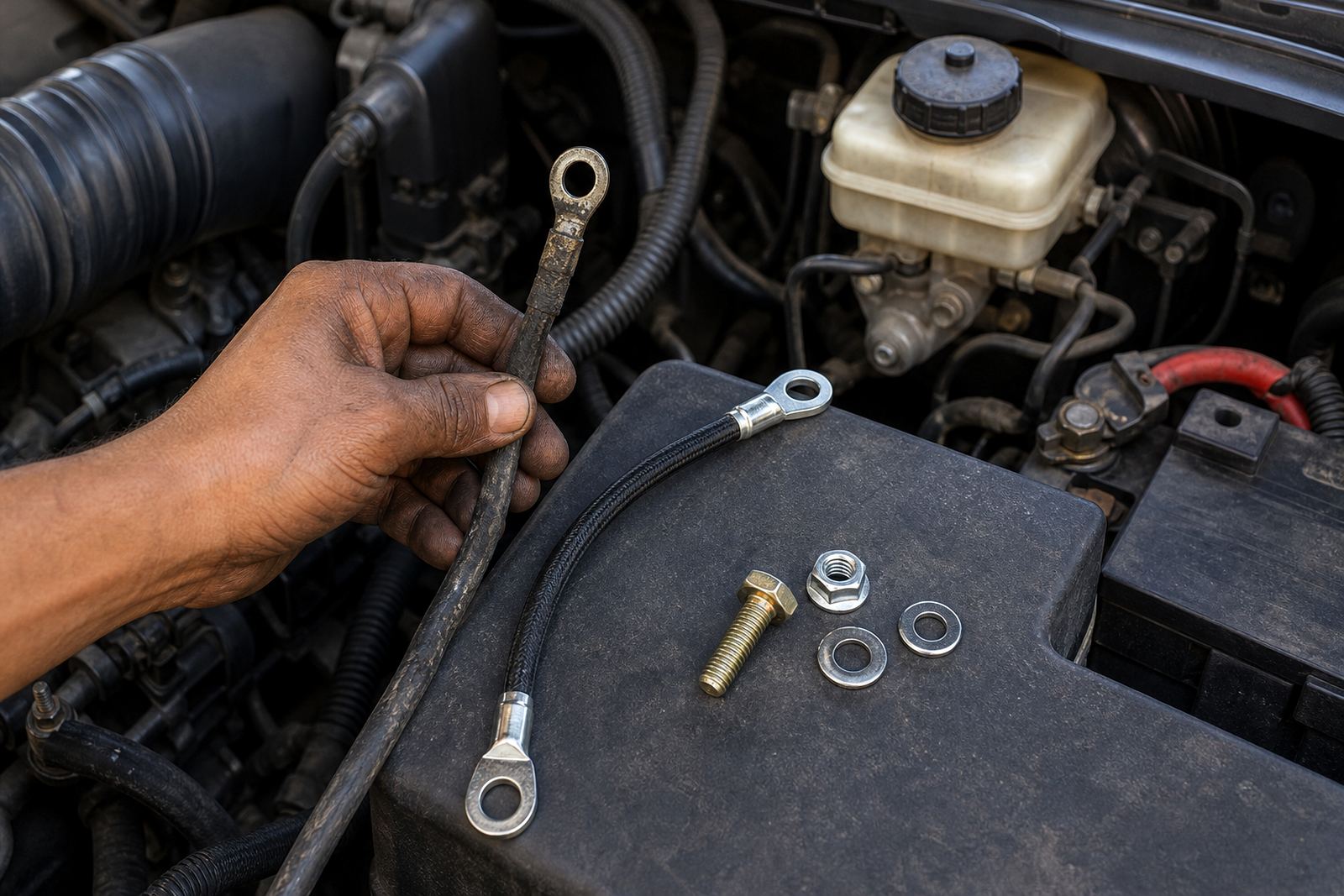
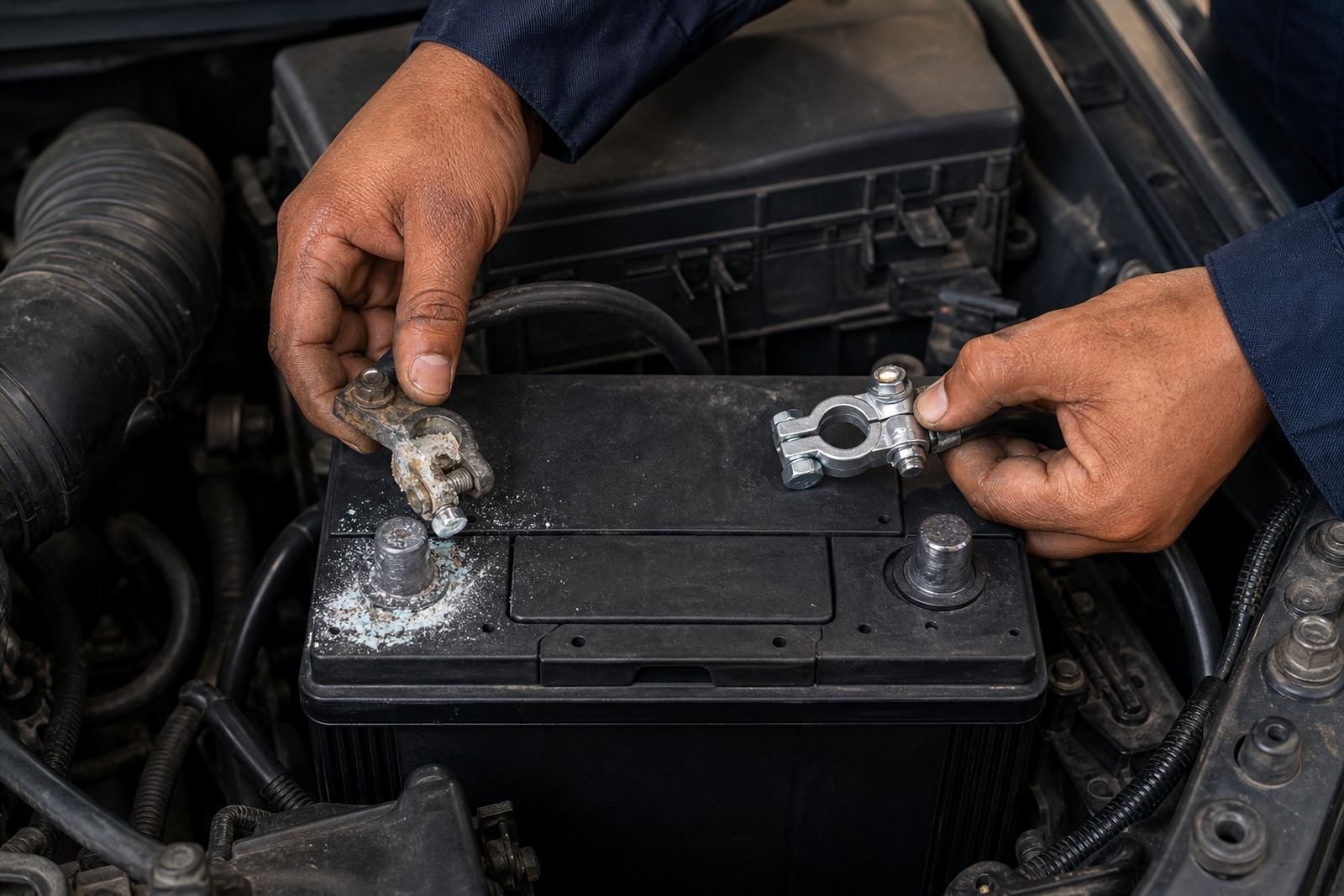
Cable Corrosion Effects

Cable Corrosion Effects

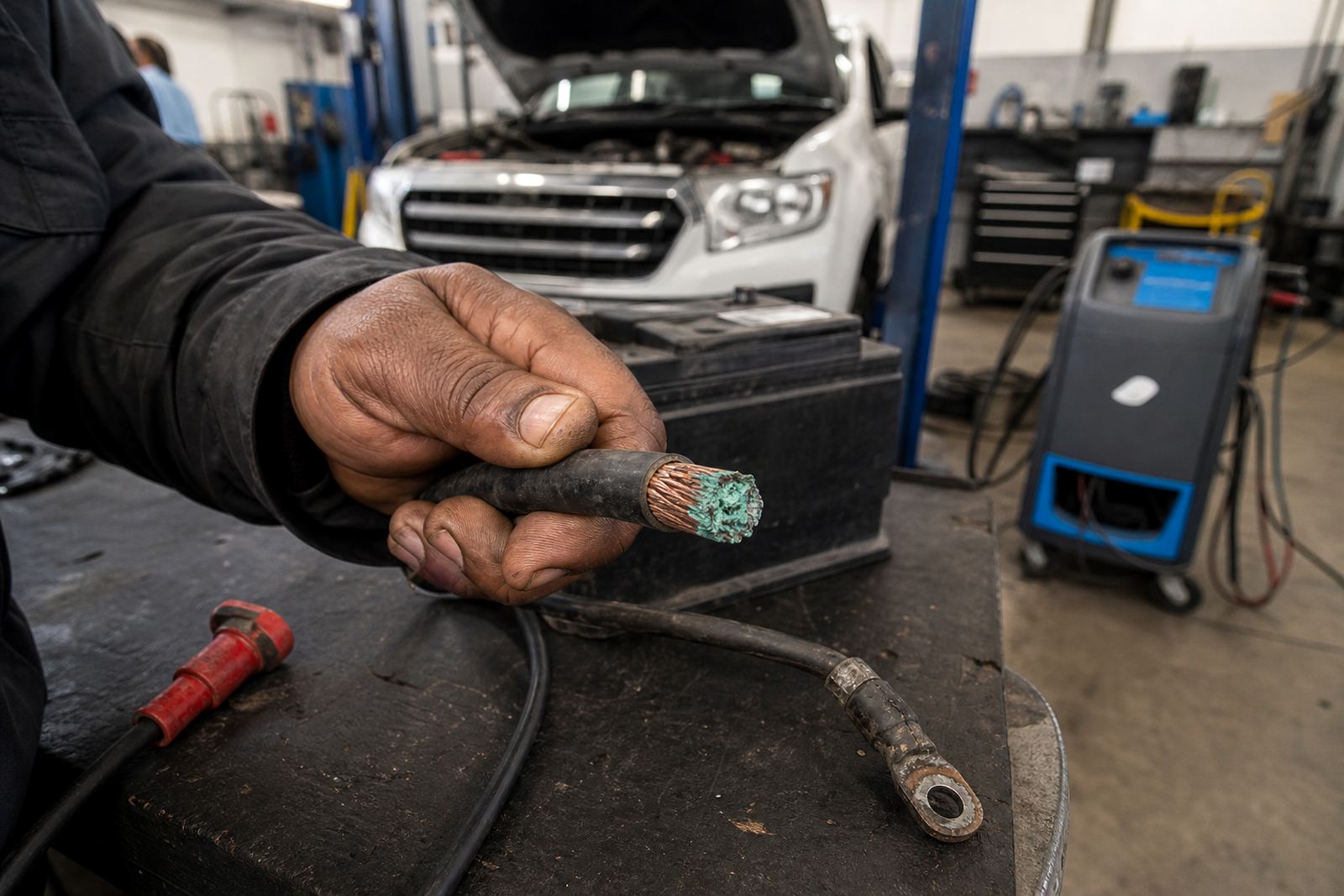
Corrosion hidden inside cables raises resistance and causes weak performance under load.

Fused Accessory Wiring

Fused Accessory Wiring

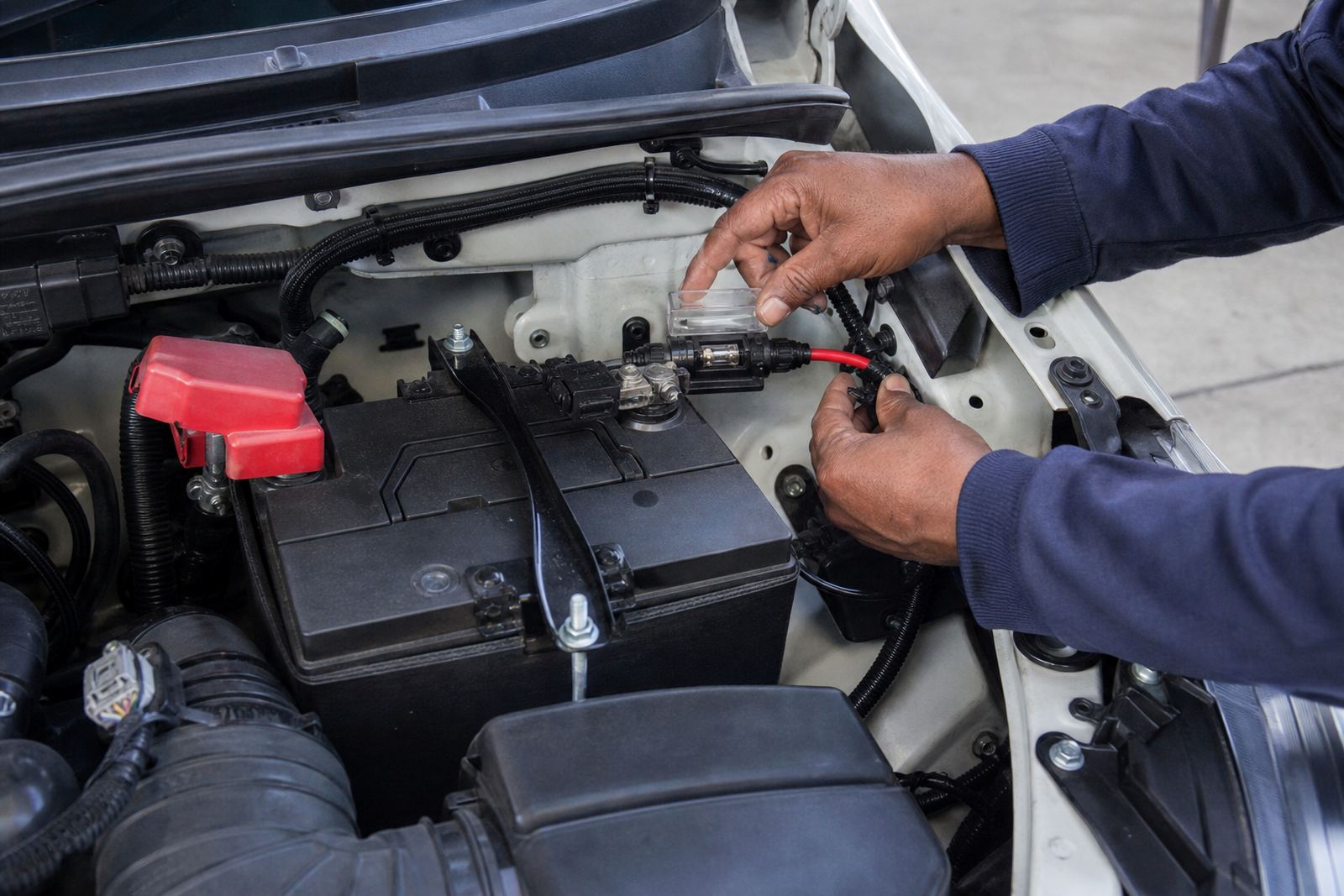
Any added accessory should have suitable fuse protection close to the power source.

Tidy Loom Routing

Tidy Loom Routing

Good cable routing protects wiring from heat, sharp edges and moving parts.

Common Battery Mistakes

Common Battery Mistakes

Loose terminals, old clamps and ignored warning signs often lead to avoidable failures.

Scan Tool Limitations

Scan Tool Limitations

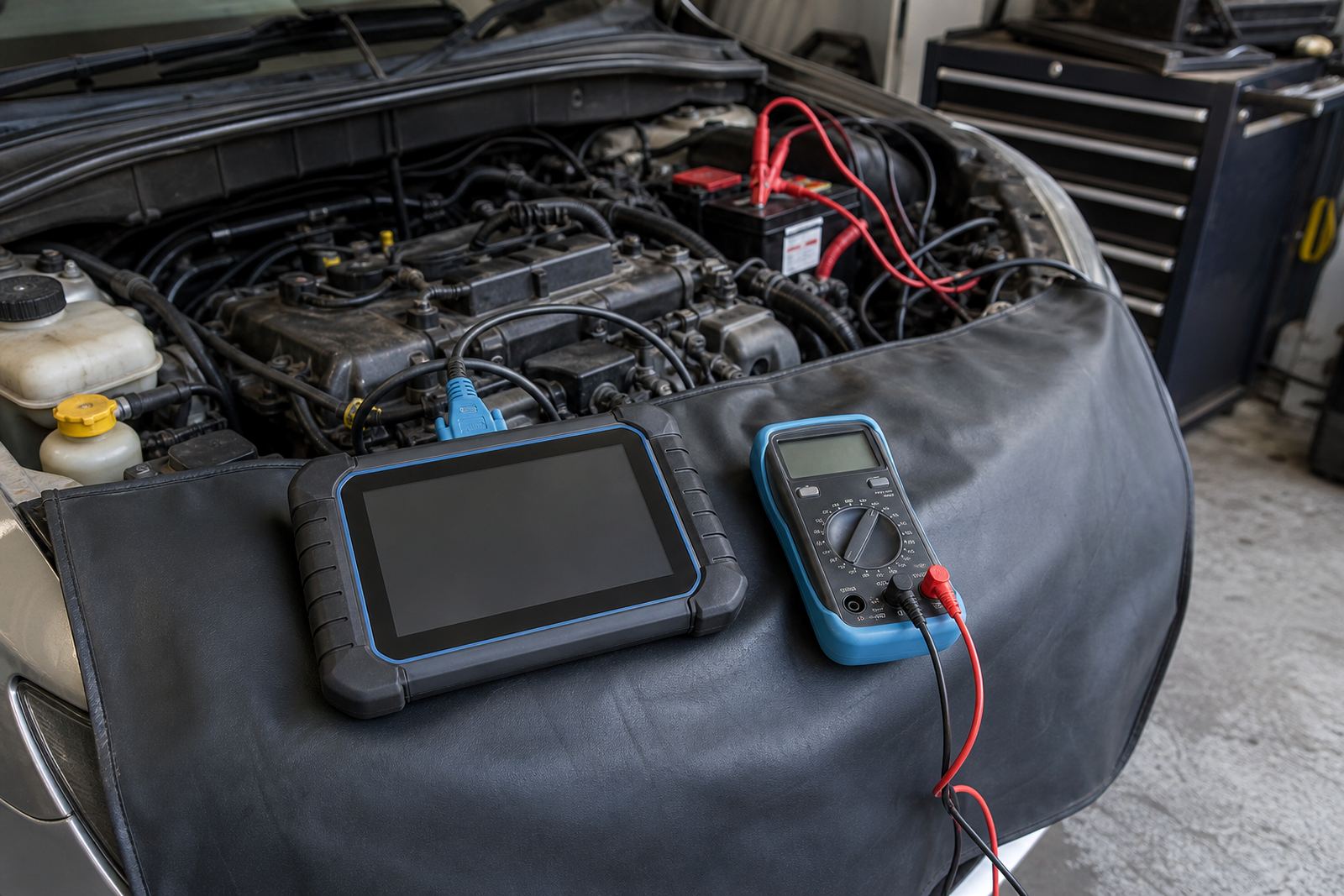
A scan result helps, but metres and practical testing are still essential.

Pre Trip Electrical Checks

Pre Trip Electrical Checks

Simple checks before travel can catch battery, charging and trailer issues early.

After Rain Electrical Faults

After Rain Electrical Faults

Moisture can trigger misfires, lighting issues and connector problems in vulnerable areas.

Cranking Voltage Readings

Cranking Voltage Readings

Cranking voltage offers useful clues about battery strength and cable health.

Fleet Accessory Planning

Fleet Accessory Planning

Consistent wiring methods make trackers, beacons and power outlets easier to maintain.

Repeat Flat Batteries

Repeat Flat Batteries

A recurring flat battery needs proper root-cause testing rather than repeated replacements.

Repair Or Rewire

Repair Or Rewire

Some sections of loom can be repaired neatly, while others are better replaced.

What the scanner sees, and what it cannot

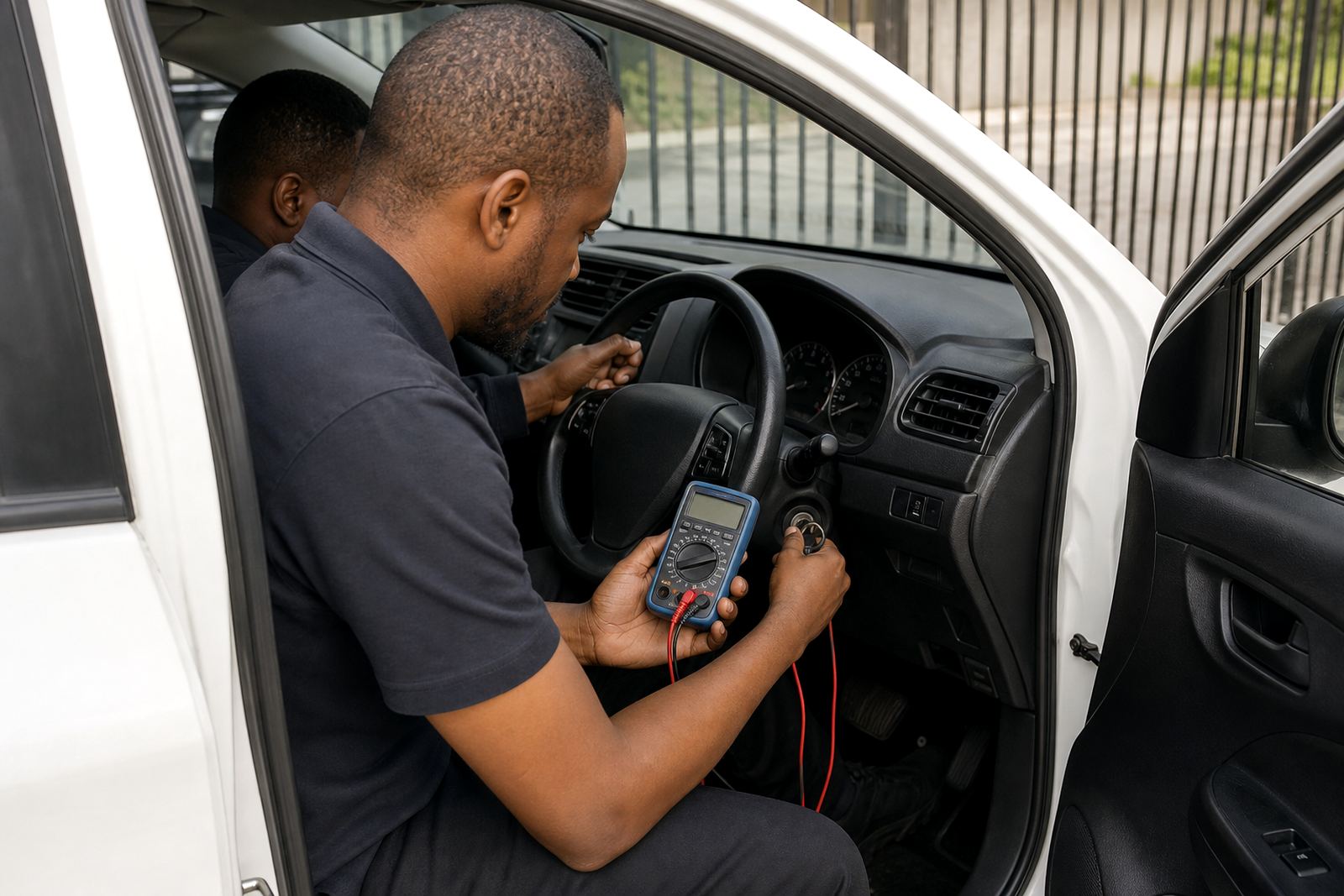
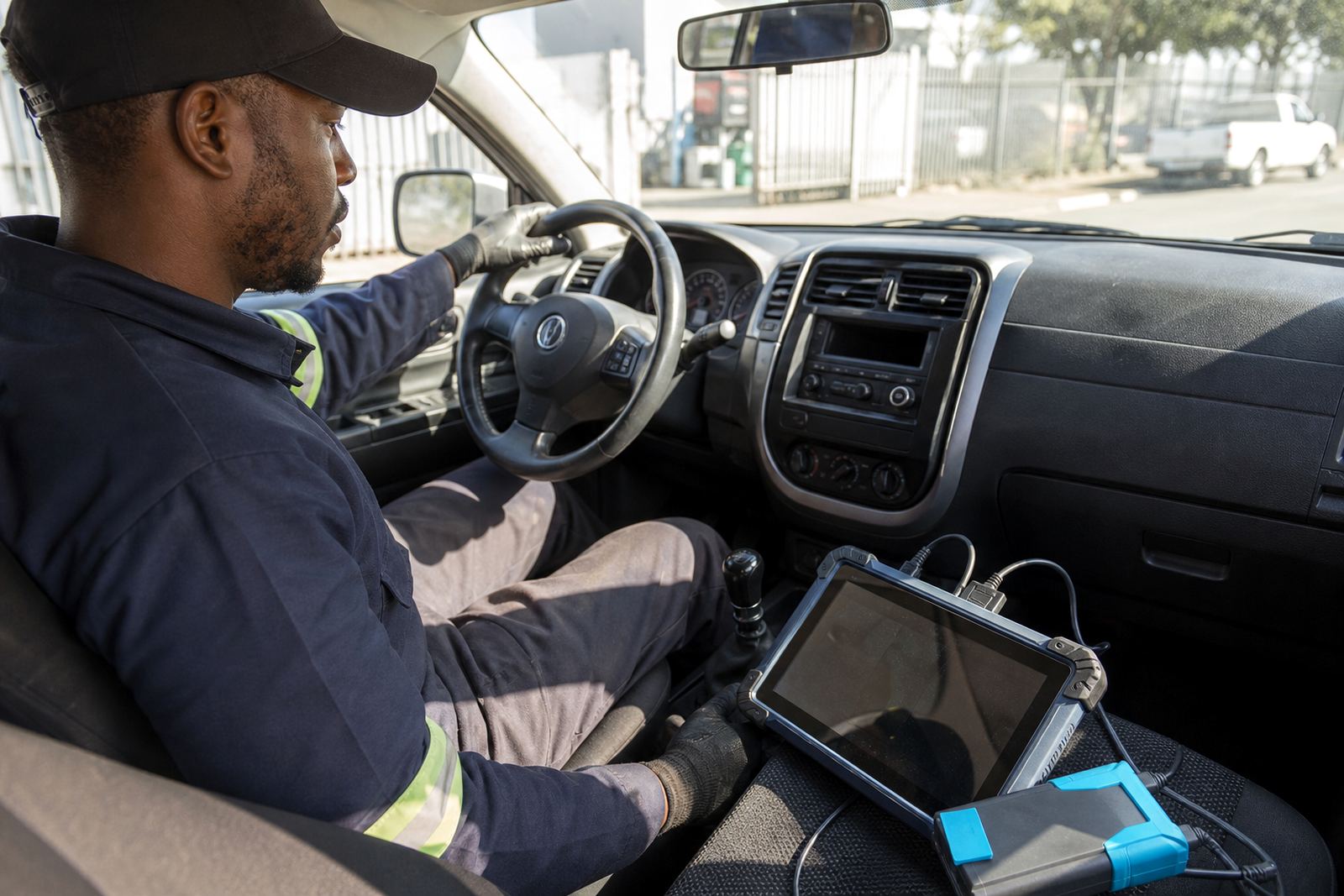
An OBD fault code is often the first clue, not the final answer. A code can point to a sensor, circuit or communication issue, but the real work starts with live data, voltage checks and a close look at the wiring around the affected system.

That is why a fault light on its own never tells the full story. A proper diagnostic pass may involve battery testing, charging checks, earth fault tracing and a test drive to see whether the fault appears under load, at idle or after a cold start.

Battery drain cases that keep draining vehicles

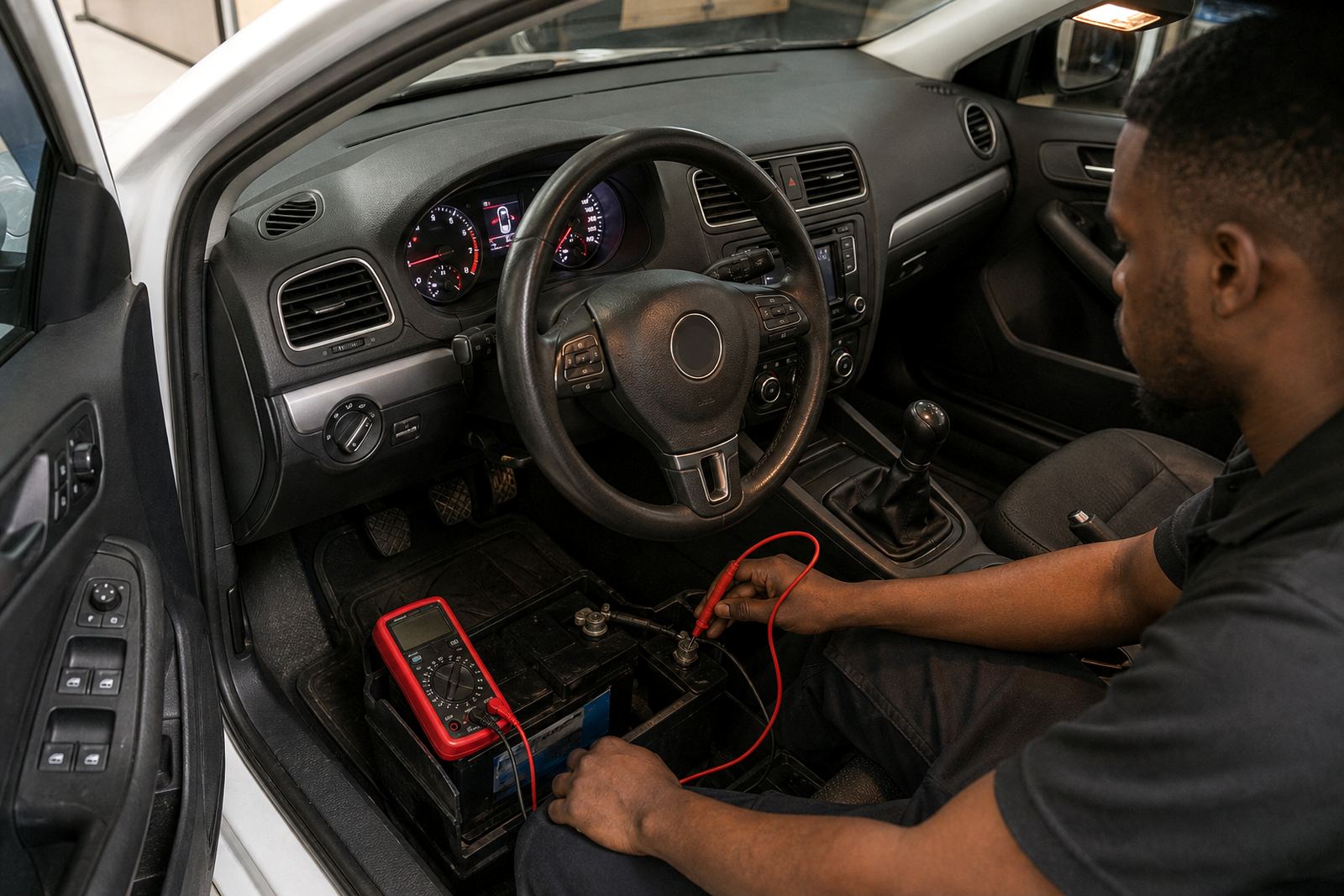
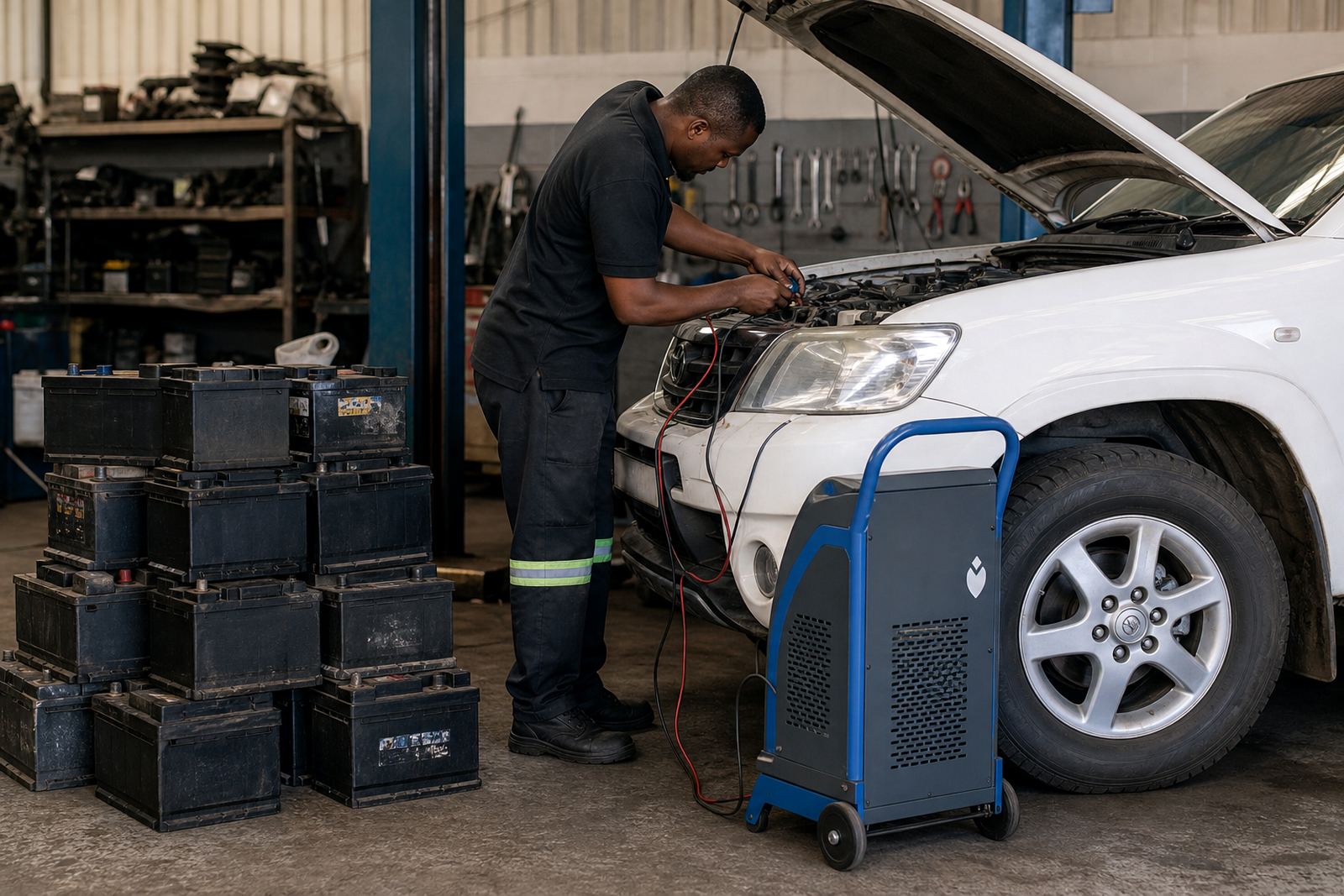
Parasitic drain is one of the more stubborn faults on cars, vans and fleet vehicles. A vehicle can sit overnight, then wake up flat in the morning because one circuit is staying live when it should not.

  • Interior or load bay lights that stay on after the vehicle is locked
  • Accessory wiring that has been tied into the wrong feed
  • Control units that stay awake because a module is not shutting down properly
  • Trailer wiring faults that feed back into the main harness

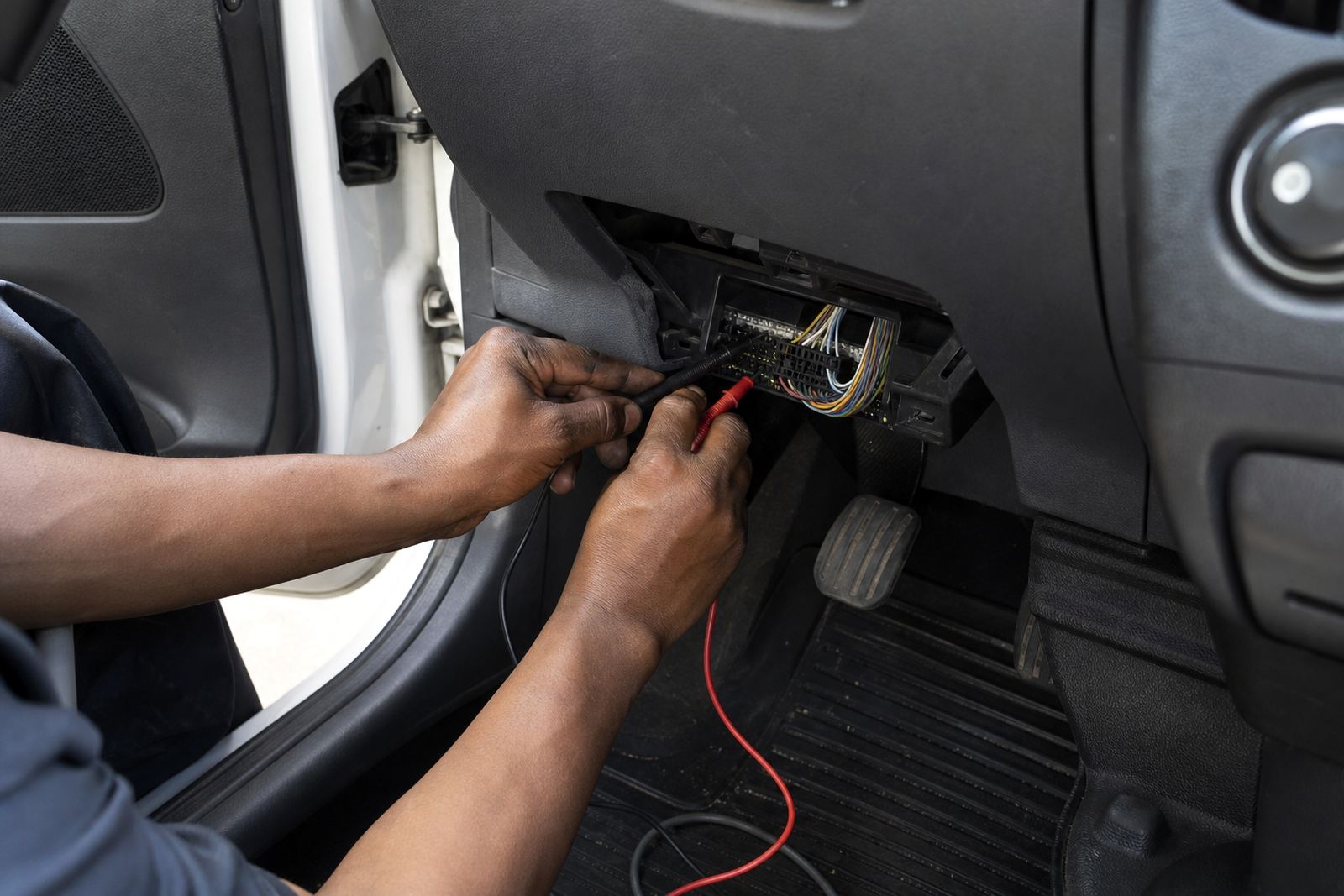
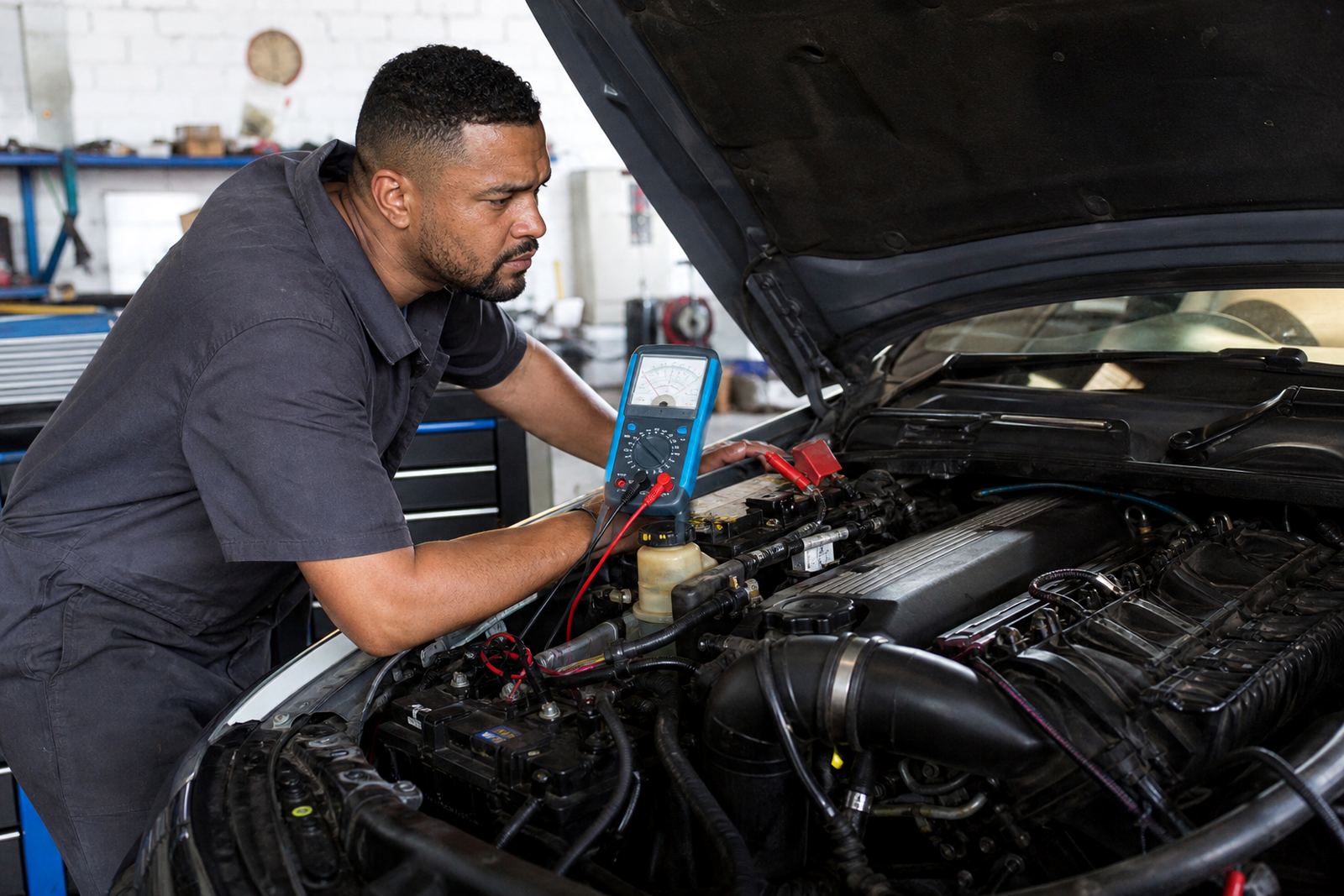
Drain testing needs patience, the right metre setup and a clear reading of what the vehicle is doing while it sleeps. In coastal areas like Cape Town and Milnerton, damp connectors and tired earth points can make the picture worse.

Starter, alternator and charging work that needs proper trace testing

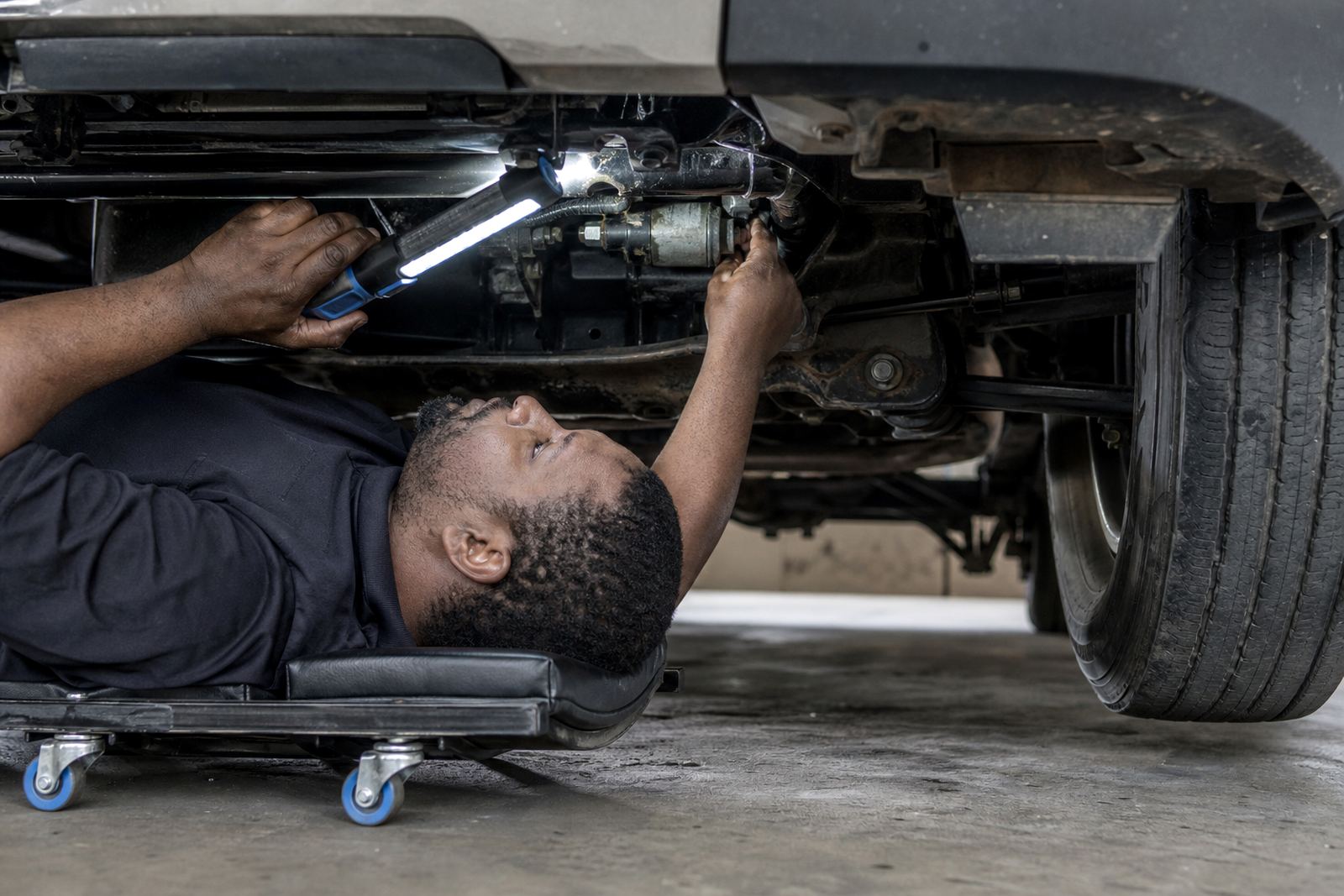
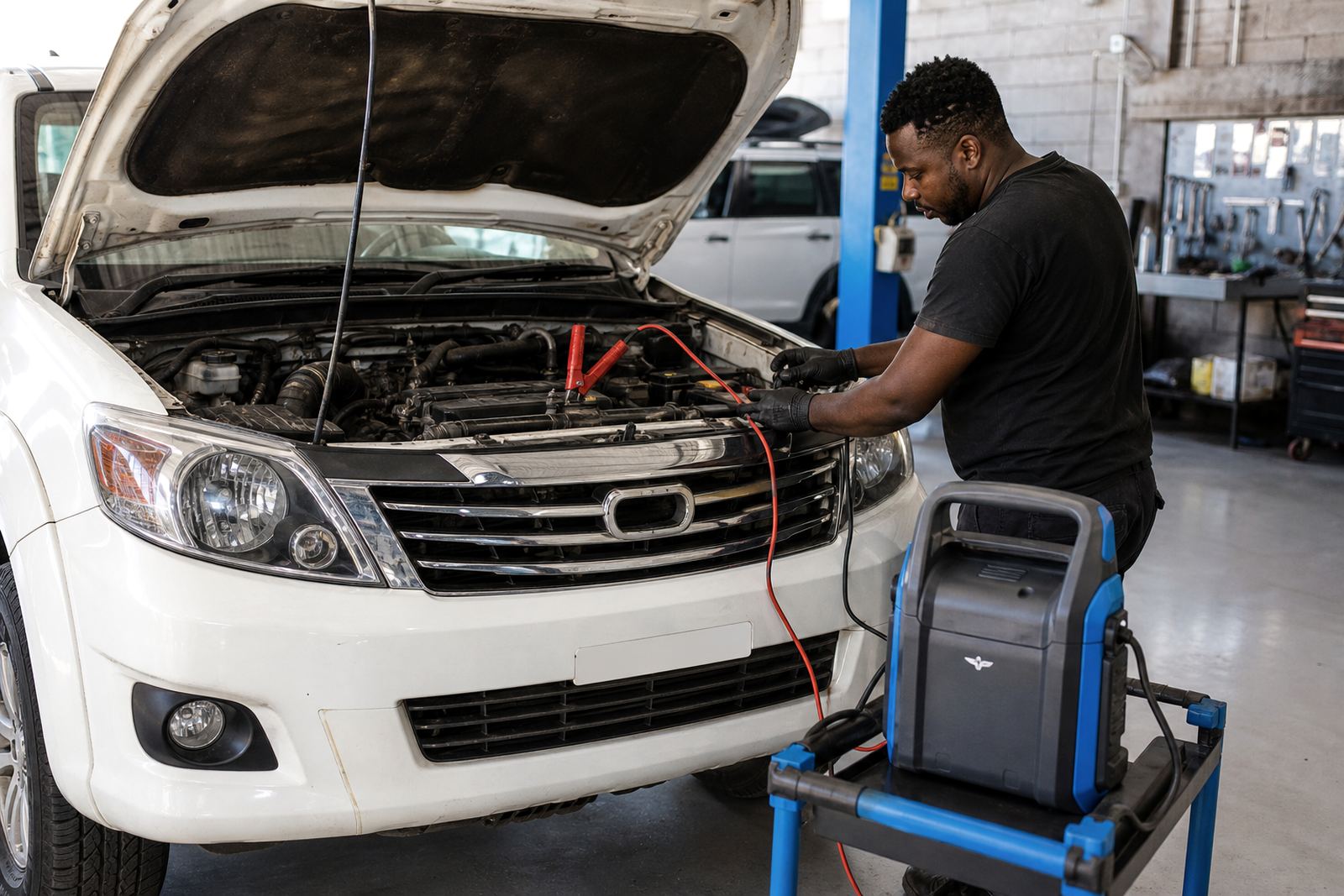
When a vehicle turns slowly, clicks at the key or dies once it is running, the starter and charging system both need attention. A weak battery is not always the only issue, because corroded terminals, worn brushes, damaged cables and poor earthing can all sit in the same fault chain.

  • Starter circuit tests at the battery, relay and solenoid points
  • Alternator output checks under load and at idle
  • Voltage drop testing on positive and earth paths
  • Charging system checks after repair, not only before it is stripped

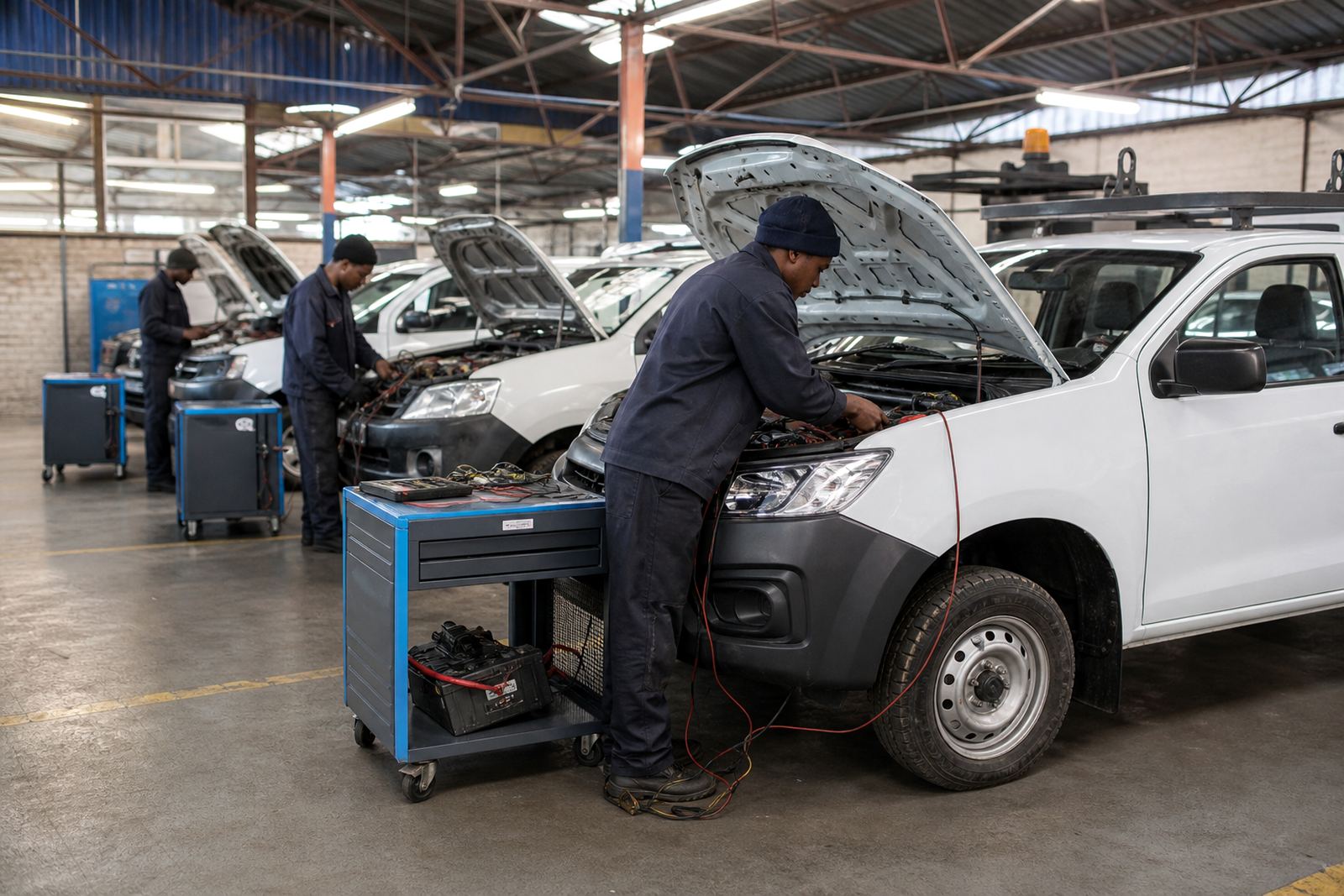
On fleet units, a small charging fault can turn into missed deliveries and roadside delays. That is why the test has to follow the symptom, not just the part that looks tired.

Wiring repairs that respect the original circuit

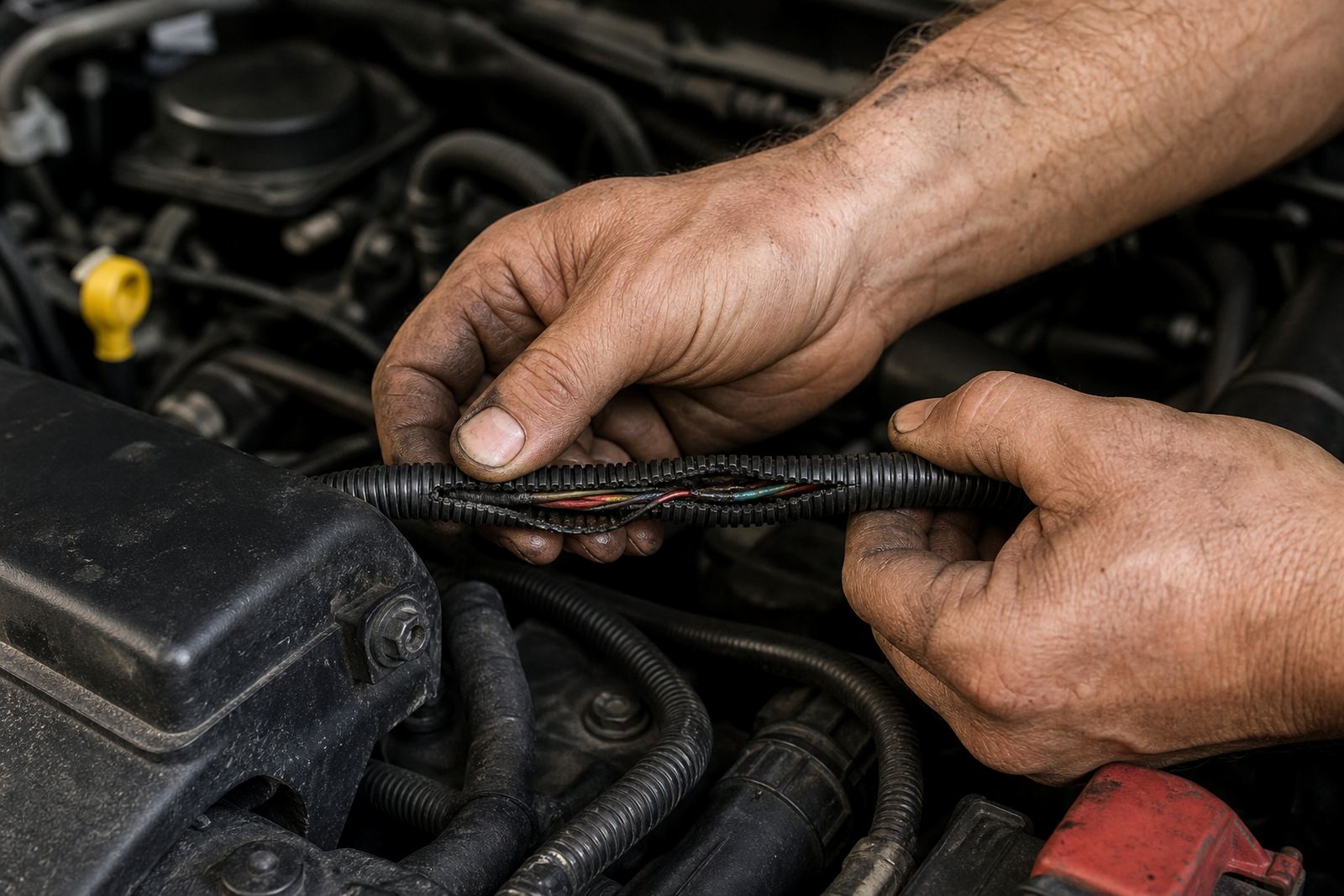
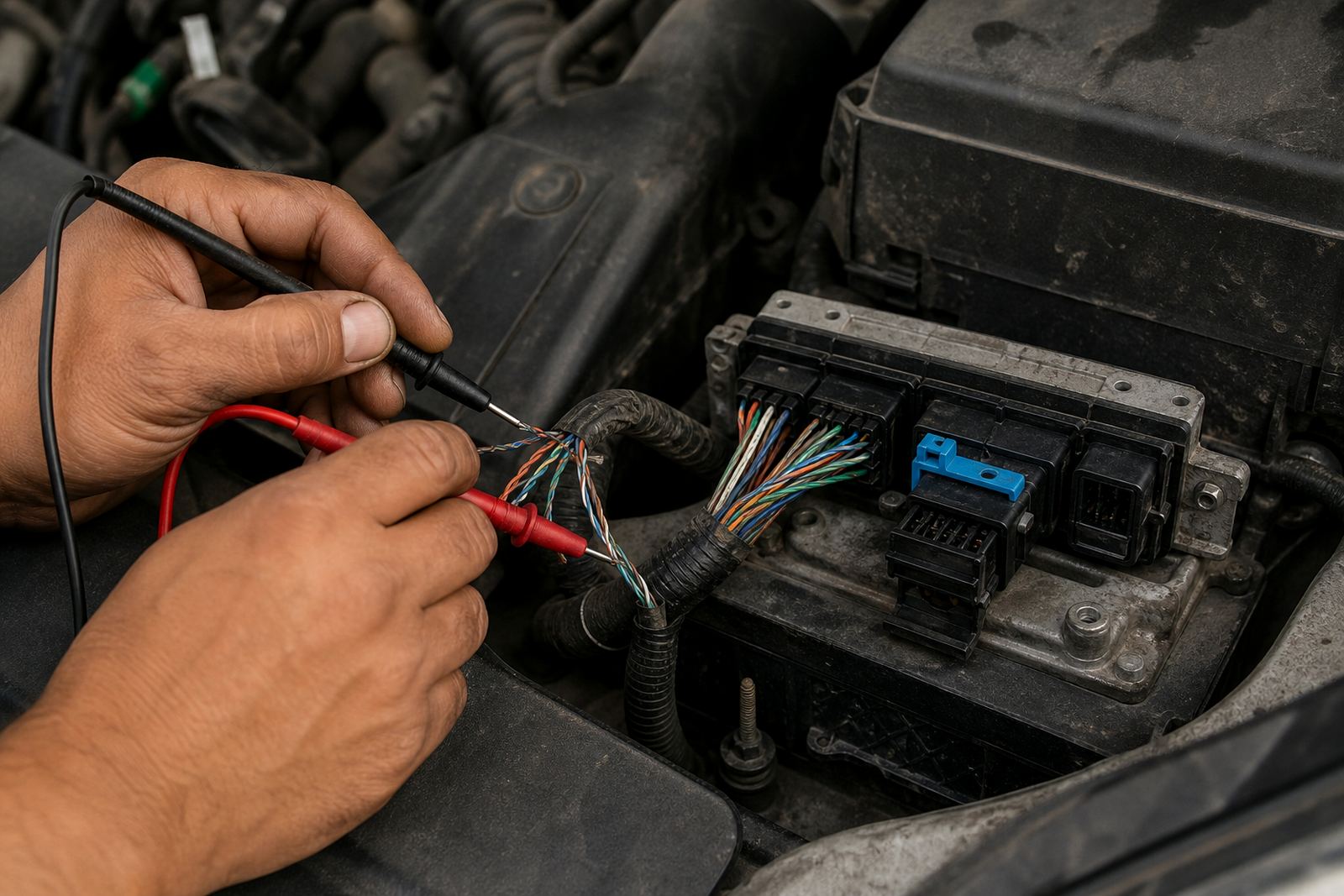
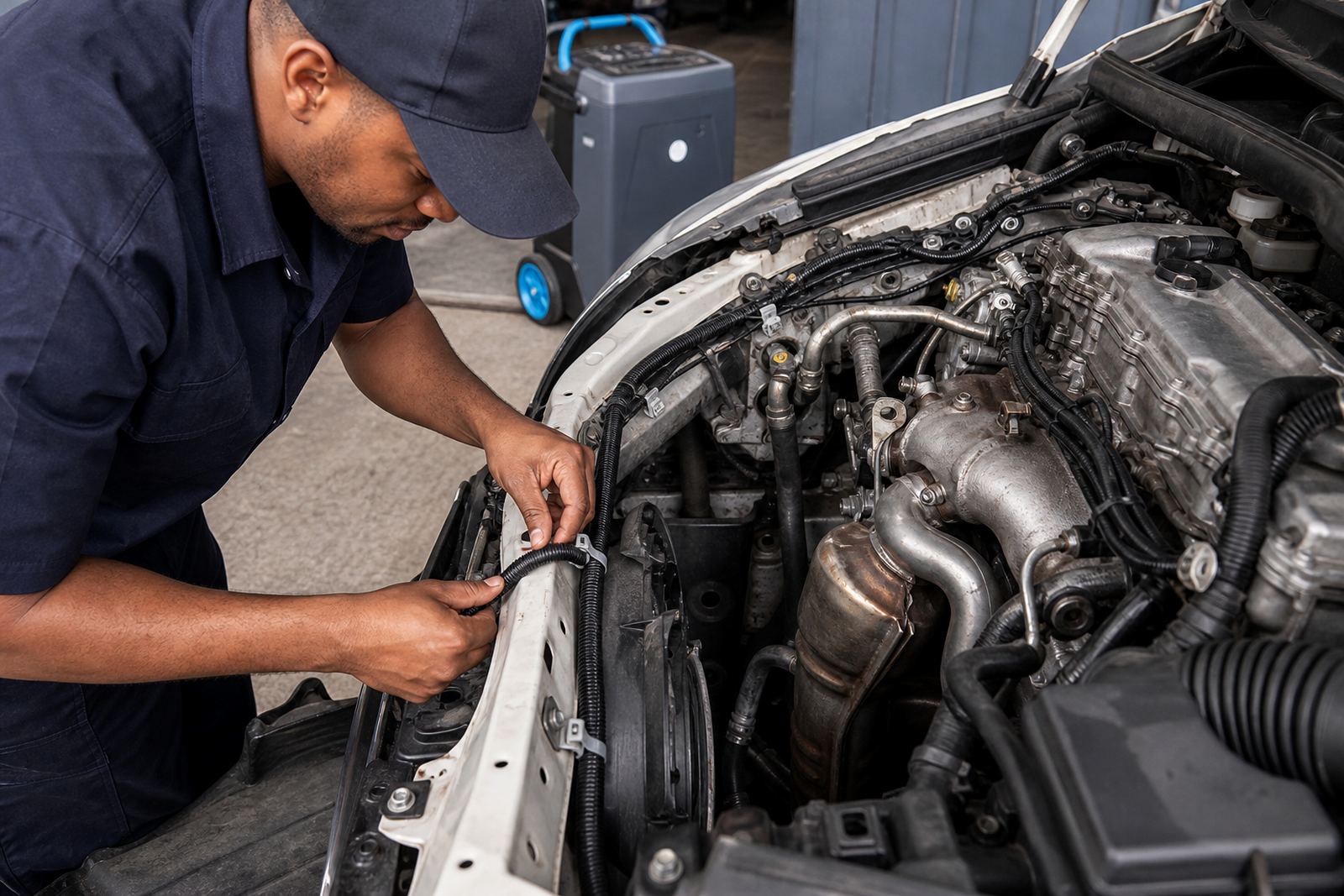
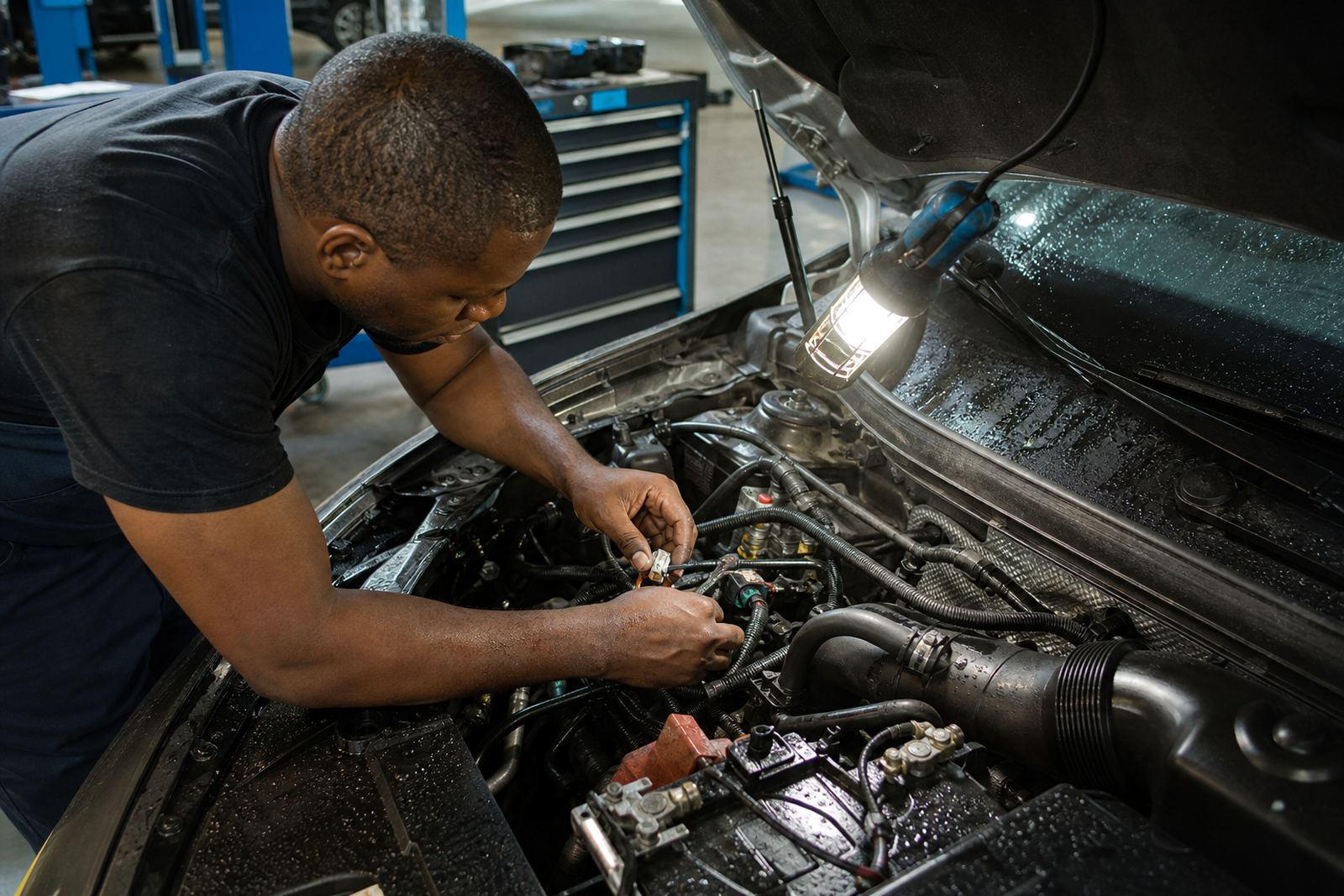
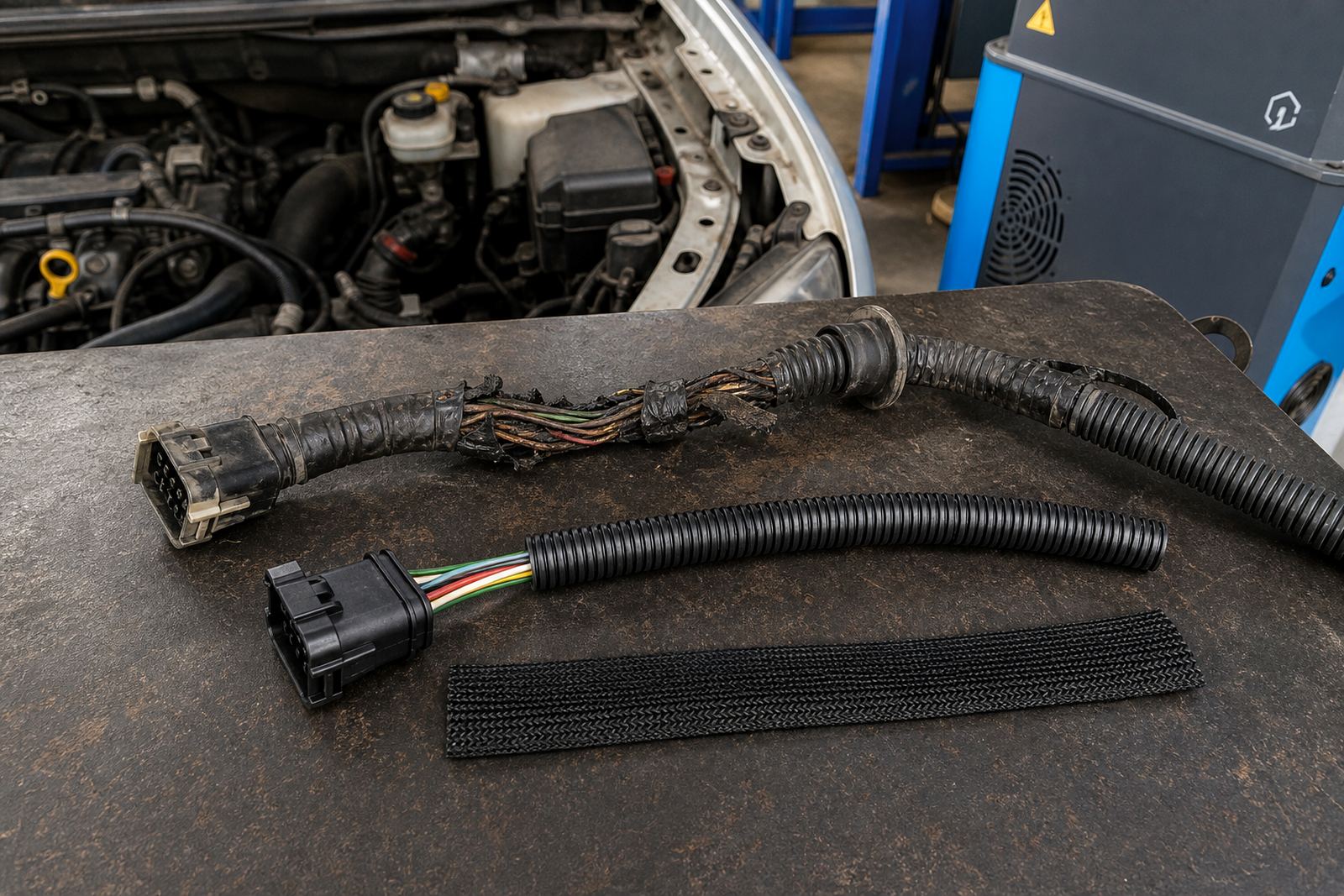
Good wiring repair is not only about making a broken wire conduct again. It also needs correct routing, proper insulation, secure joints and enough protection against vibration, heat and moisture.

We often see faults in lighting circuits, earth points, fuse boxes, trailer plugs and accessory looms where previous repairs were twisted together and taped over. Those fixes may hold for a while, then fail when the vehicle works hard or moves across rough roads.

  • Broken conductors traced back to the exact failure point
  • Damaged connectors replaced or repaired where practical
  • Fuse box faults checked with metre readings
  • Trailer wiring and added accessories rewired so the load is carried correctly

CAN bus faults and the odd behaviour they create

Modern vehicles use shared data networks so modules can talk to each other. When a CAN bus fault appears, several systems can misbehave at once, including central locking, starting, lights or warning messages on the dash.

A network fault can be caused by a shorted wire, water in a connector, a failed module or a bad ground. The trick is to separate the system-wide problem from the one circuit that is pulling the network down.

That work calls for measured testing, not random parts swapping. A technician may look at module communication, power feeds, grounds and signal integrity before any repair is made.

Mobile call-outs and workshop jobs around the Western Cape

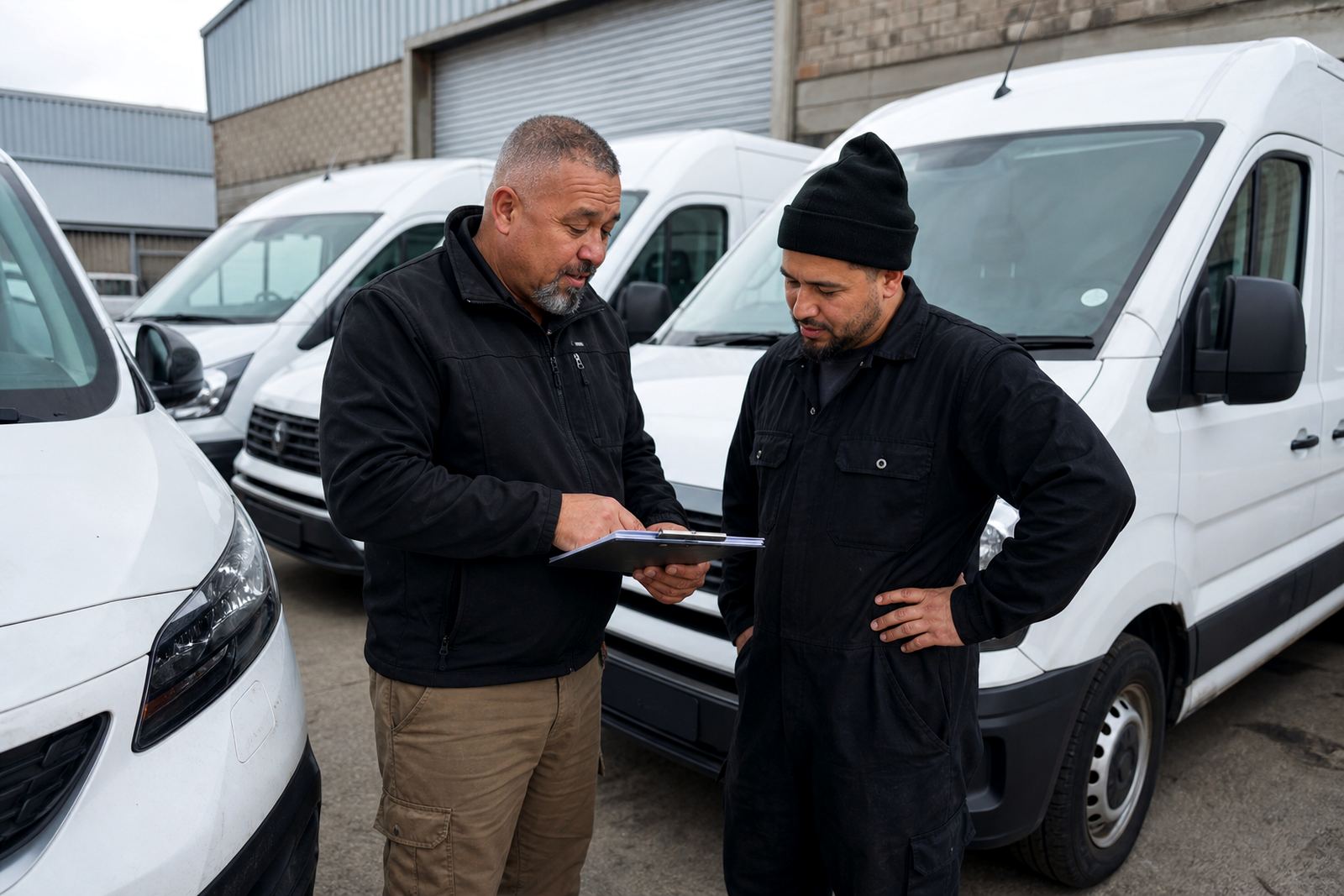
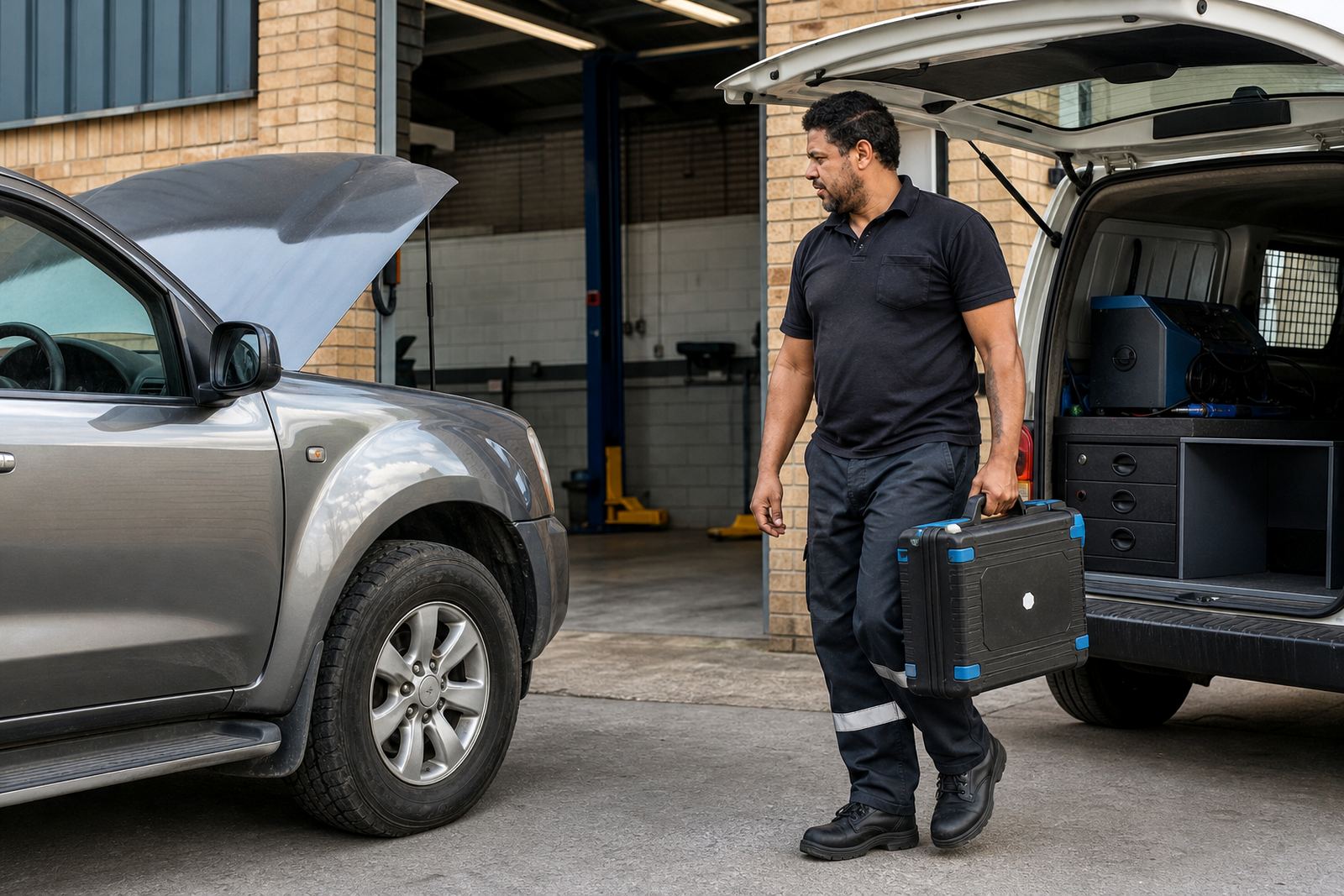
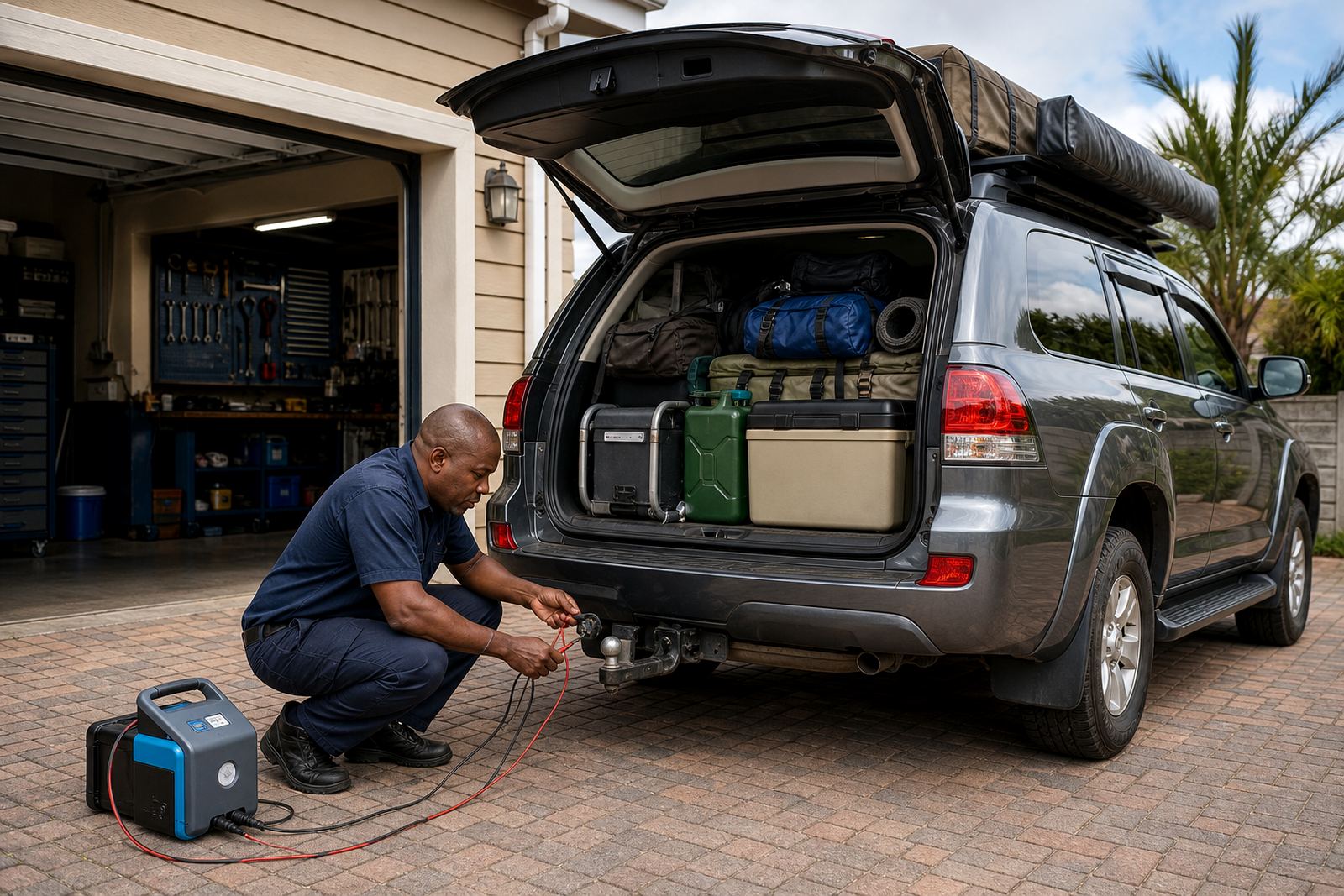
Some faults are easiest to handle in the workshop, while others make more sense on site. Mobile call-outs help when a fleet unit is stuck at a depot, a private vehicle will not start at home, or a trailer wiring fault needs attention where the vehicle is parked.

V-Auto works from Montague Gardens and covers Cape Town, Bellville, Milnerton, Somerset West and Paarl, with call-outs also handled in Brackenfell and Durbanville. The same diagnostic thinking applies whether the job arrives at the workshop or the vehicle is inspected on location.

  • Fleet supervisors can flag repeat faults across more than one vehicle
  • Private owners can book diagnosis for warning lights, drains or starting problems
  • Accessory fitting can be handled with wiring checks from the start
  • Mobile work is useful when a vehicle cannot easily be moved

Choose the right diagnostic focus

Repeated dead batteries need drain testing first. If a dash light stays on after repair, follow scan results, live data and supporting electrical tests.

We test starter faults, alternator output, lighting circuits and trailer wiring with a clear process based on symptoms, meter readings and confirmed results.

Diagnostics and wiring questions

What is the first step in vehicle diagnostics at V-Auto?

The first step is usually to read fault codes, then check live data, battery condition, charging output and the wiring around the affected circuit before any repair is made.

Can a flat battery in a vehicle come from something other than the battery itself?

Yes. A battery can be flat because of a parasitic drain, a charging fault, a poor earth, a bad starter circuit or an added accessory drawing power when the vehicle is off.

Do your mobile call-outs reach beyond Montague Gardens?

Yes. Mobile call-outs are handled across Cape Town, Bellville, Milnerton, Somerset West, Paarl, Brackenfell and Durbanville, depending on the job and access on site.

Warning light on the dash? Book a diagnostic scan.

Contact form