

Fault-finding starts with the symptom
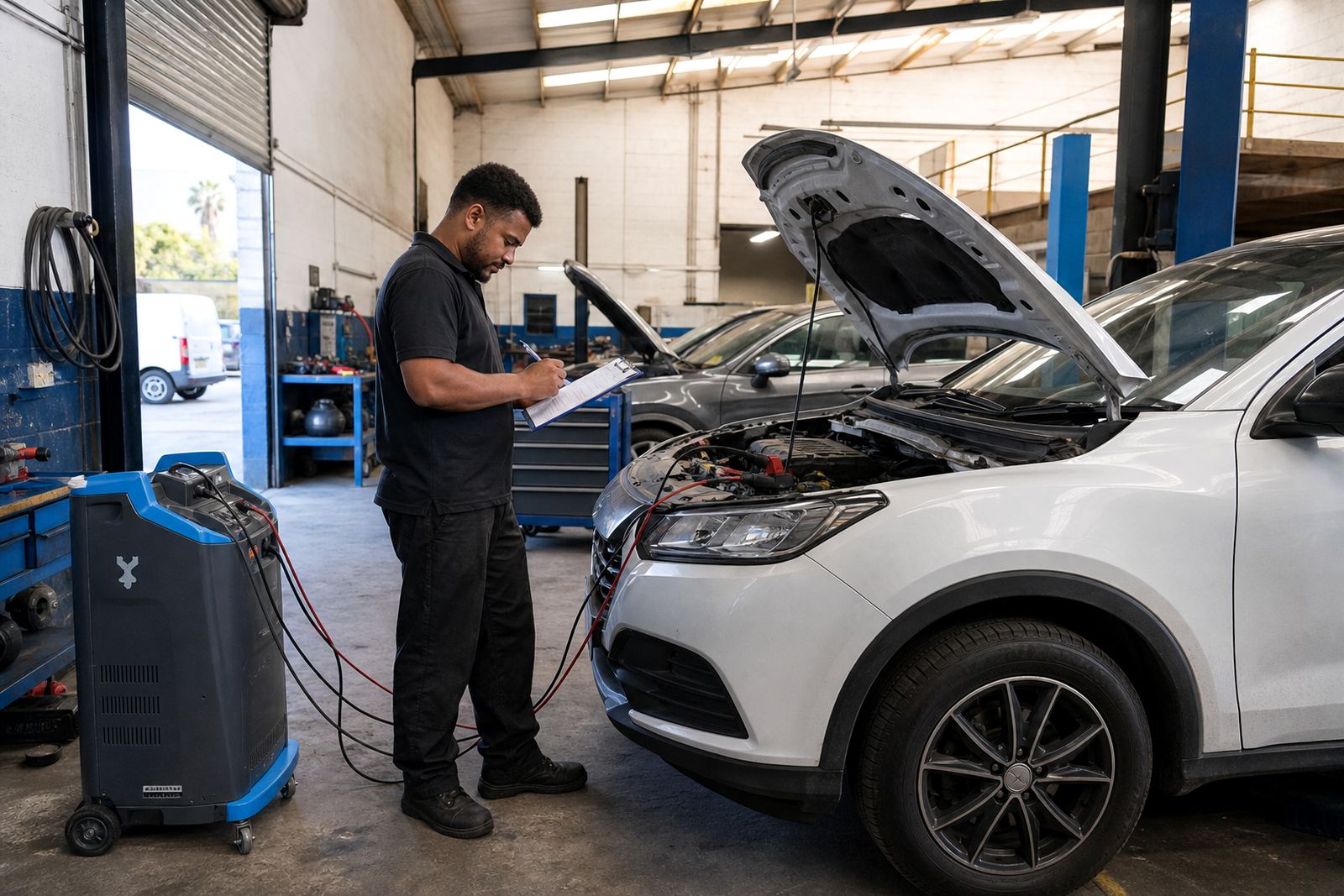
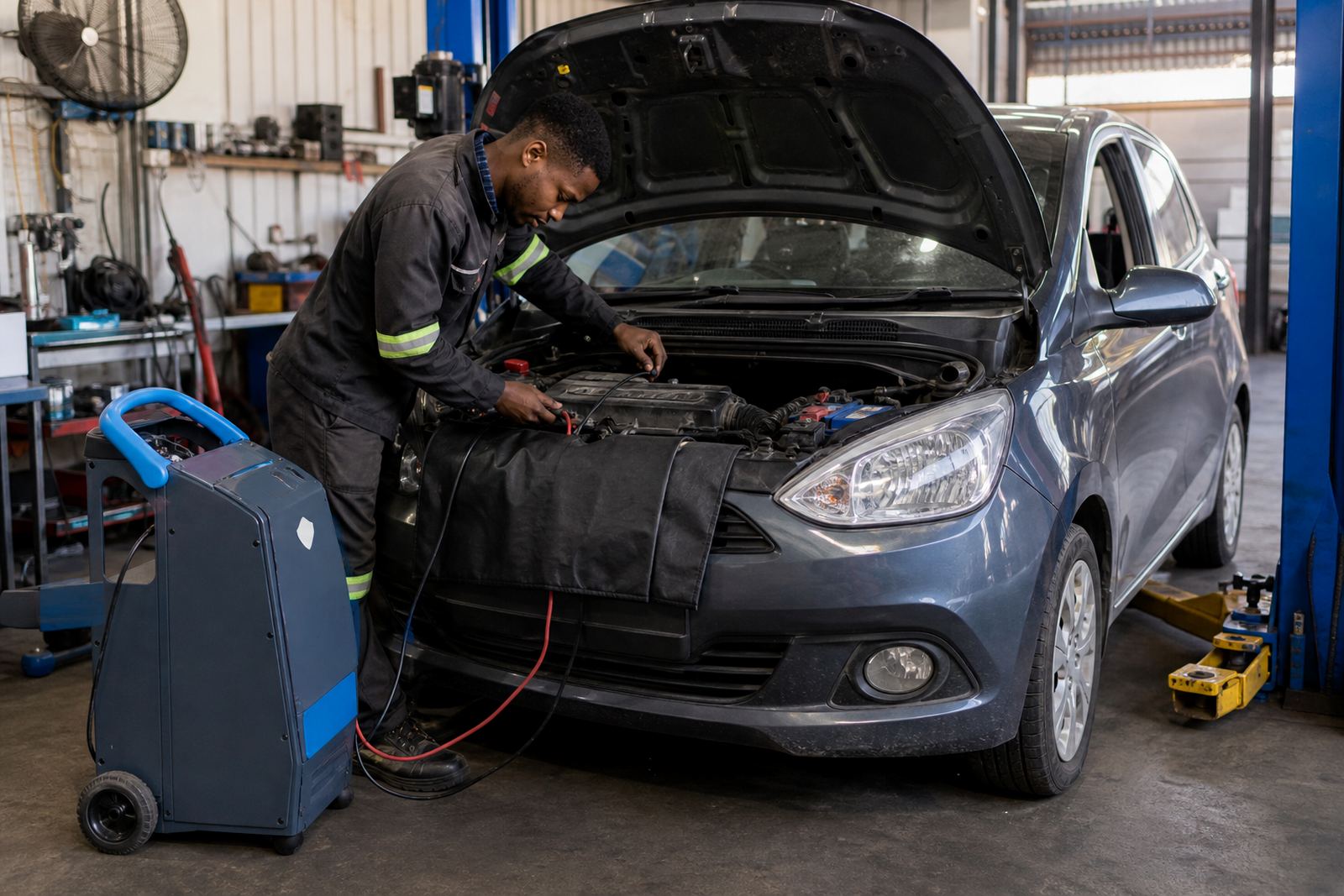
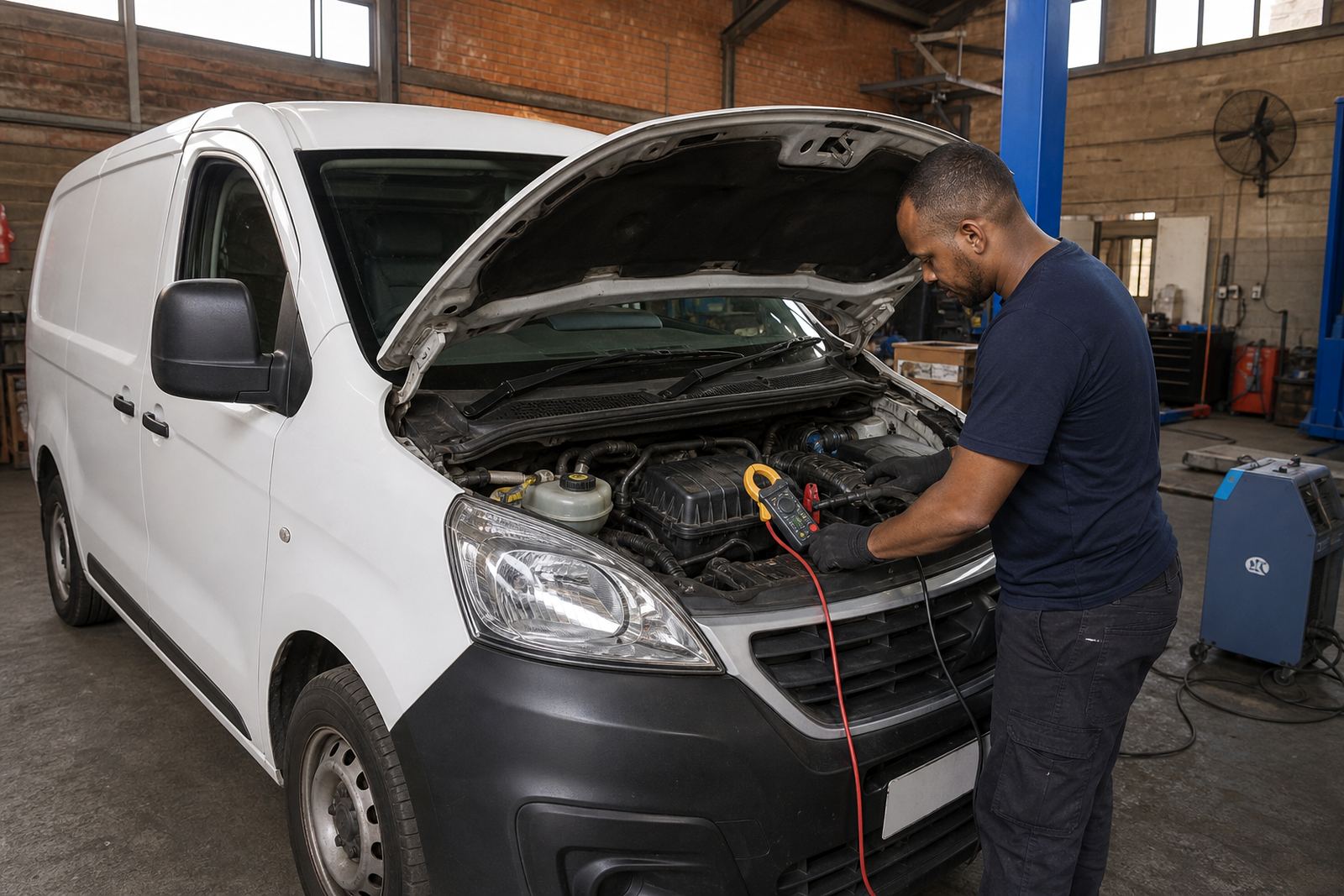
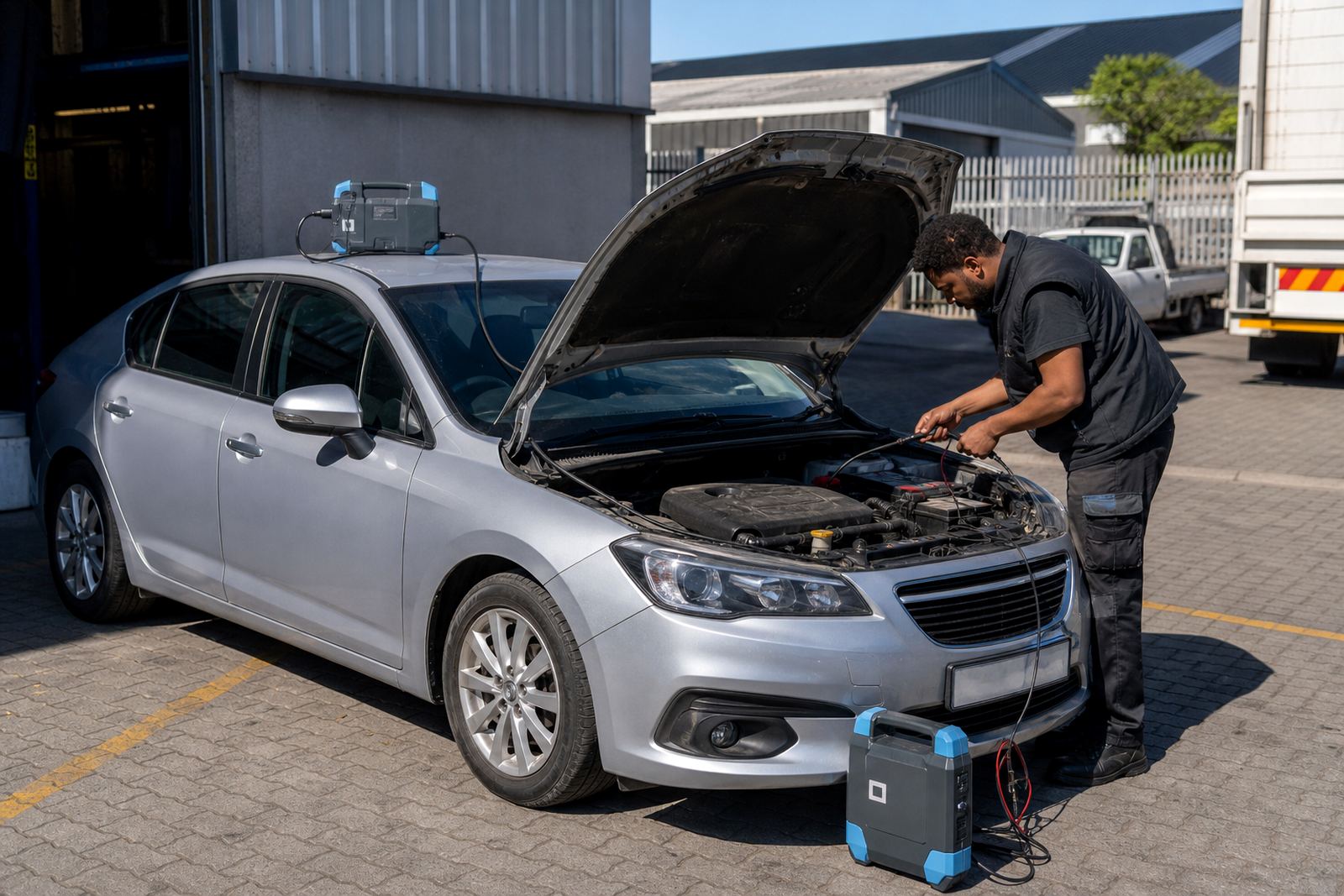
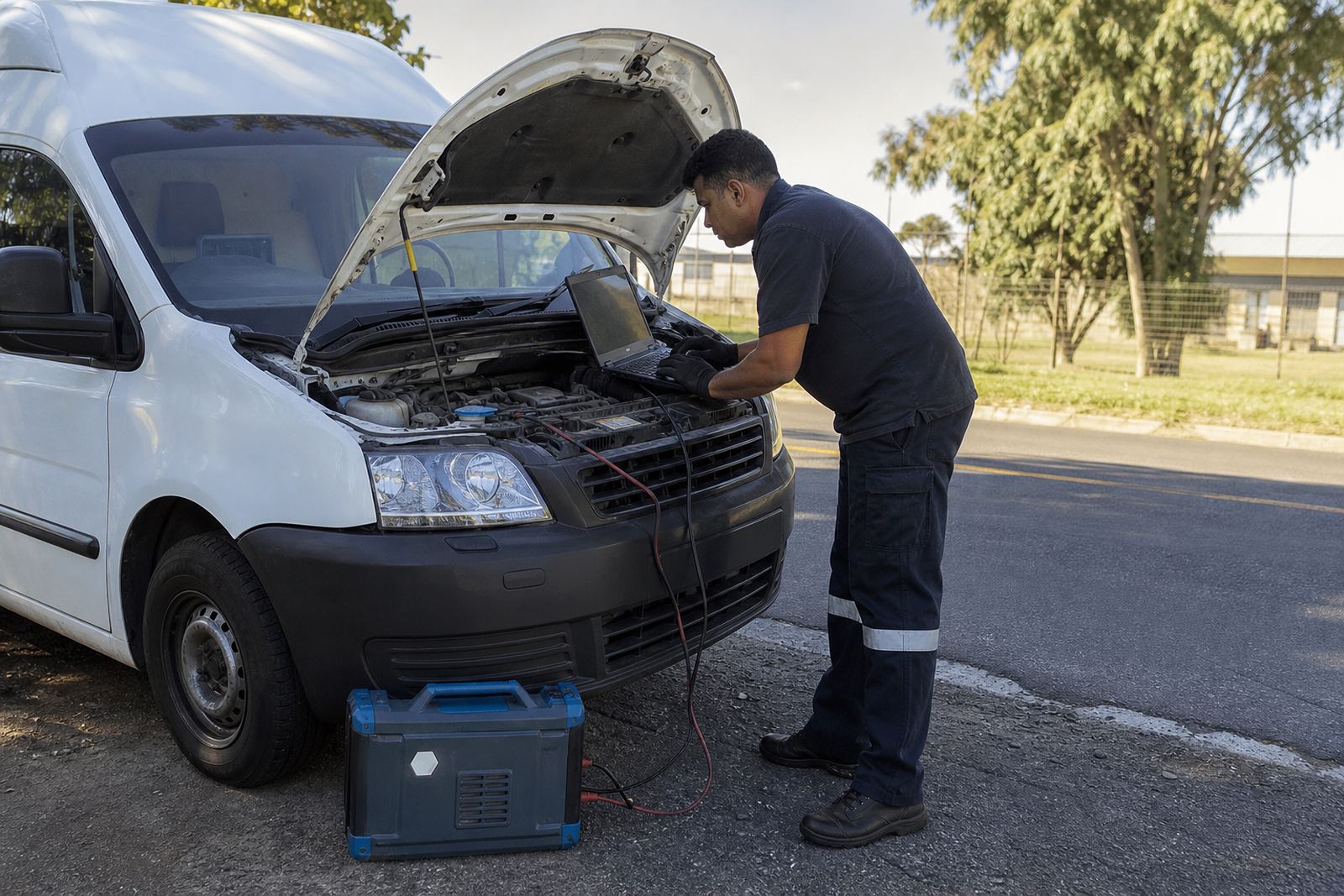
Most jobs start with a warning light, a flat battery, slow cranking, or equipment that fails intermittently. We read OBD fault codes, check live data, test charging, then trace the wiring path.
That order matters on modern vehicles because a single complaint can come from a weak earth, a damaged connector, a blown fuse, a starter circuit break, or a charging fault that only shows under load. The case index gives a cleaner view of how those faults are separated in practice.
What the workshop sees most often
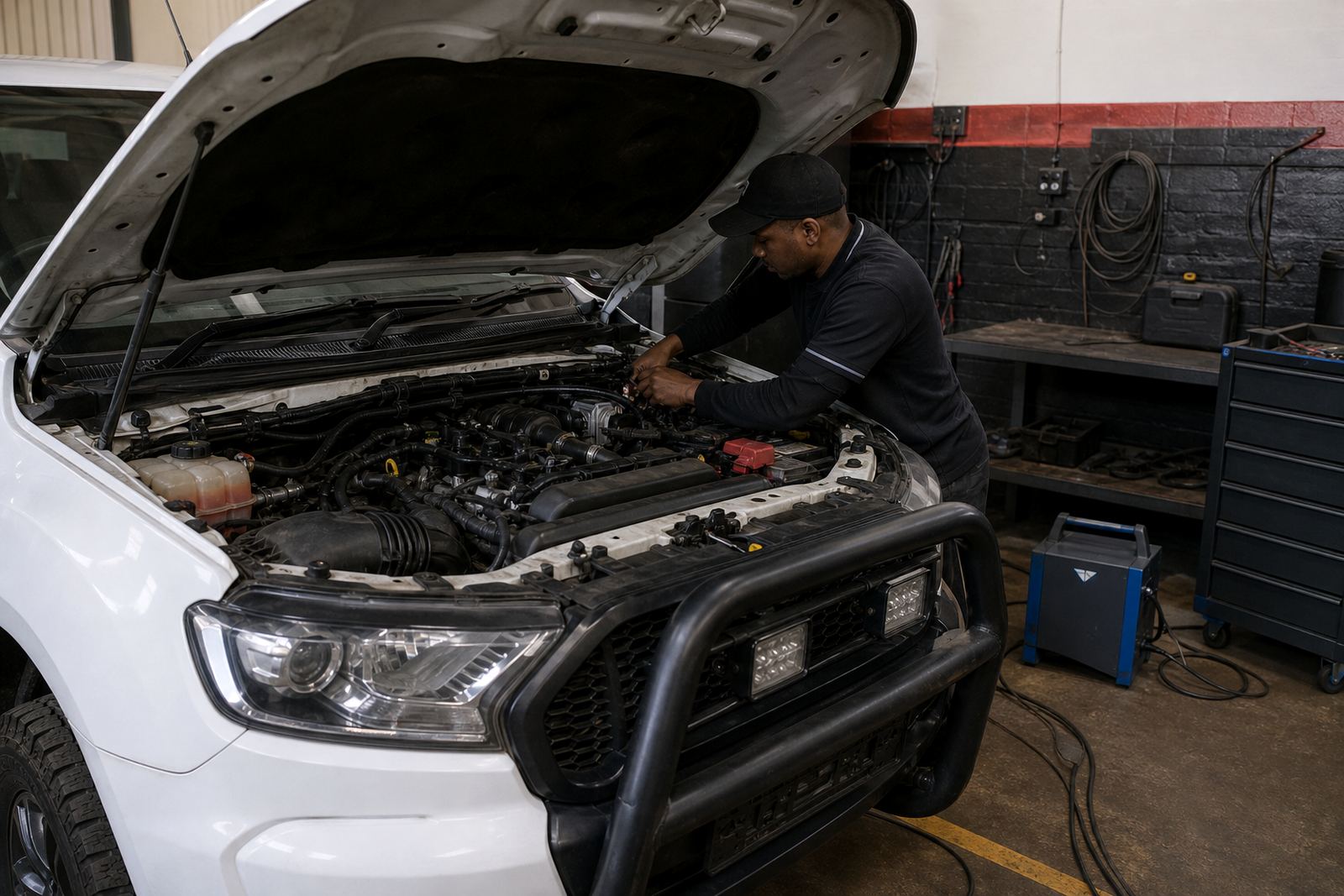
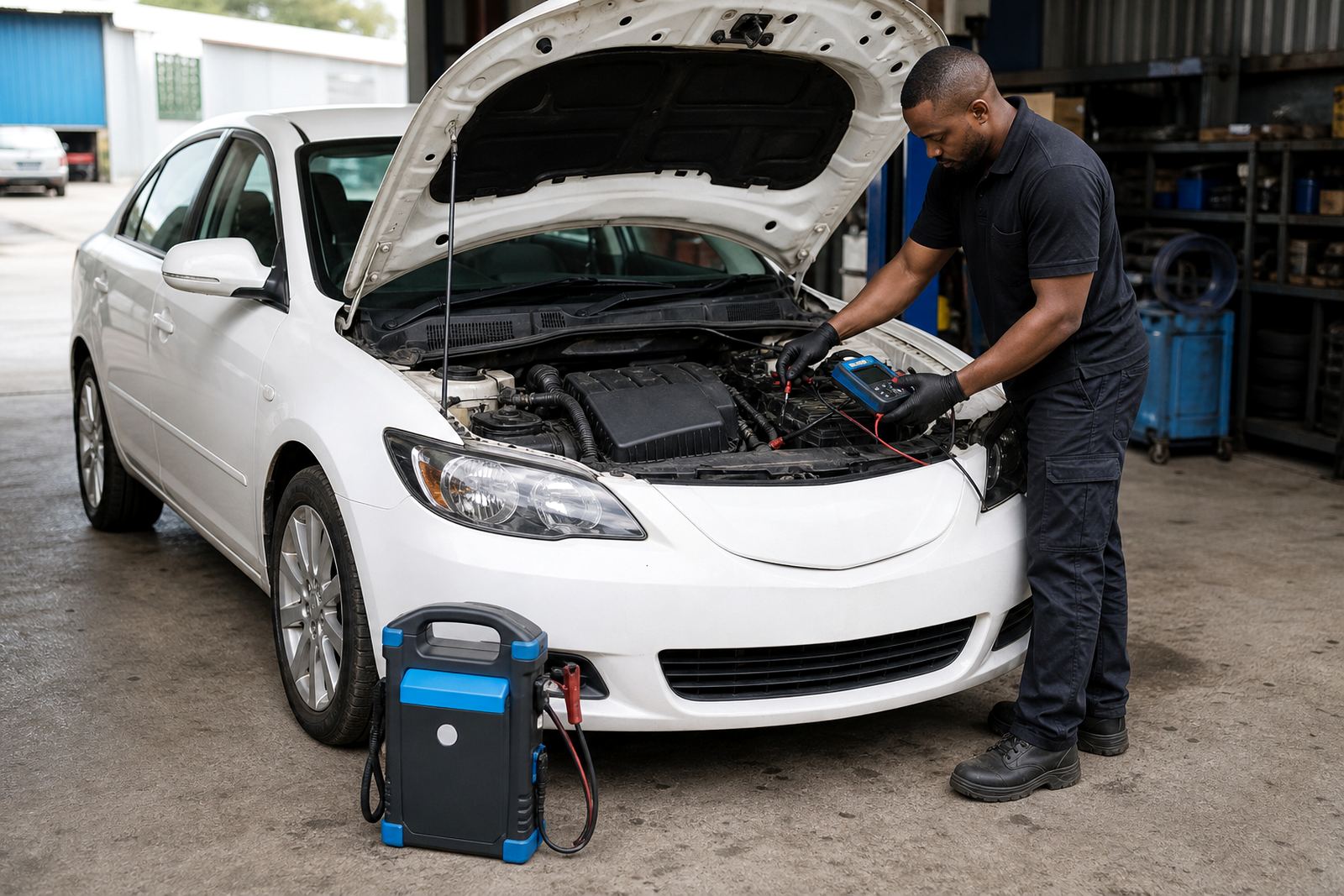
Vehicles come in with battery drain, intermittent starting faults, dim lights, dead accessories, or CAN bus issues affecting multiple systems. We handle these faults in the workshop and through mobile call-outs.
- Battery drain tracing and parasitic draw testing
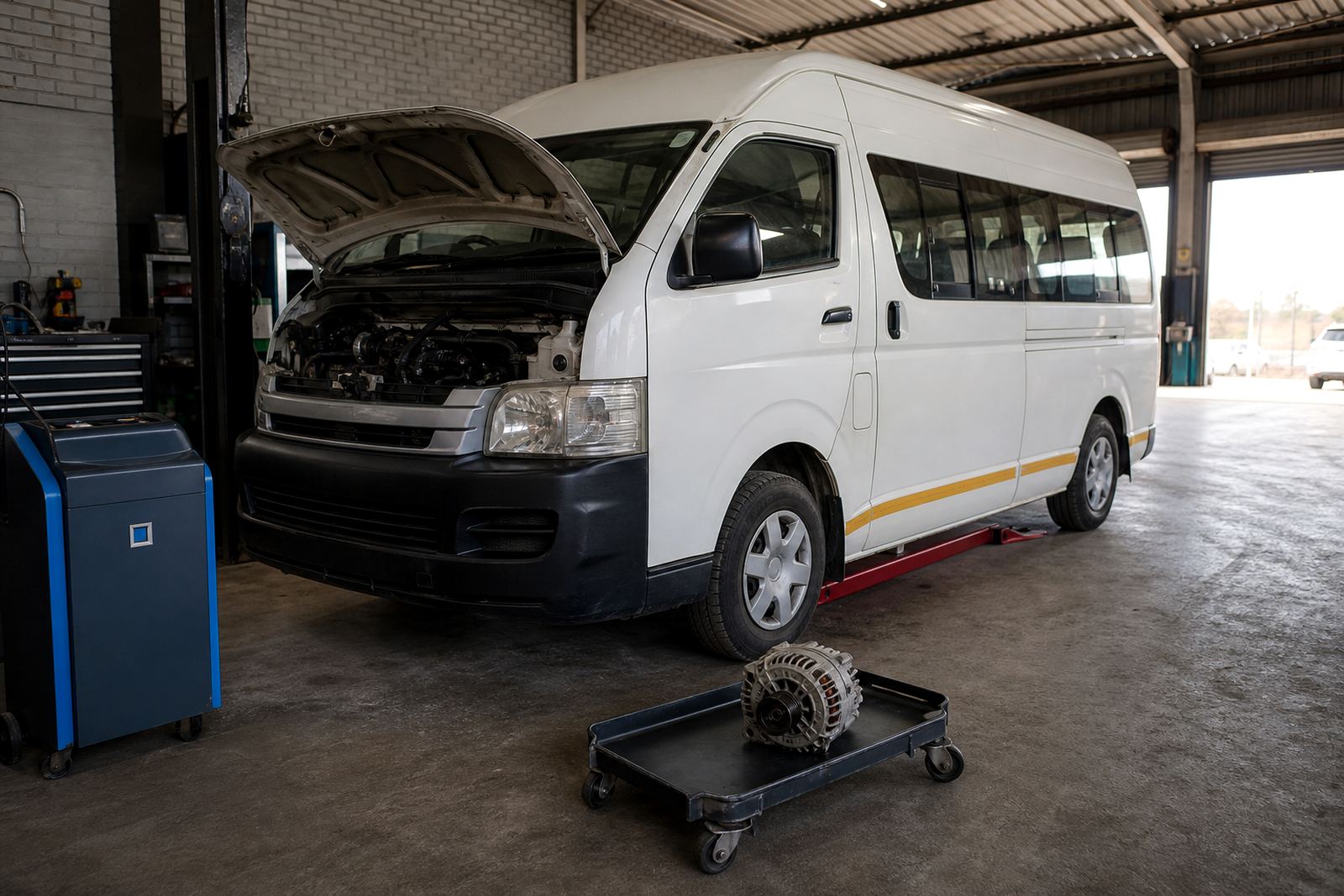
- Starter and alternator repair work
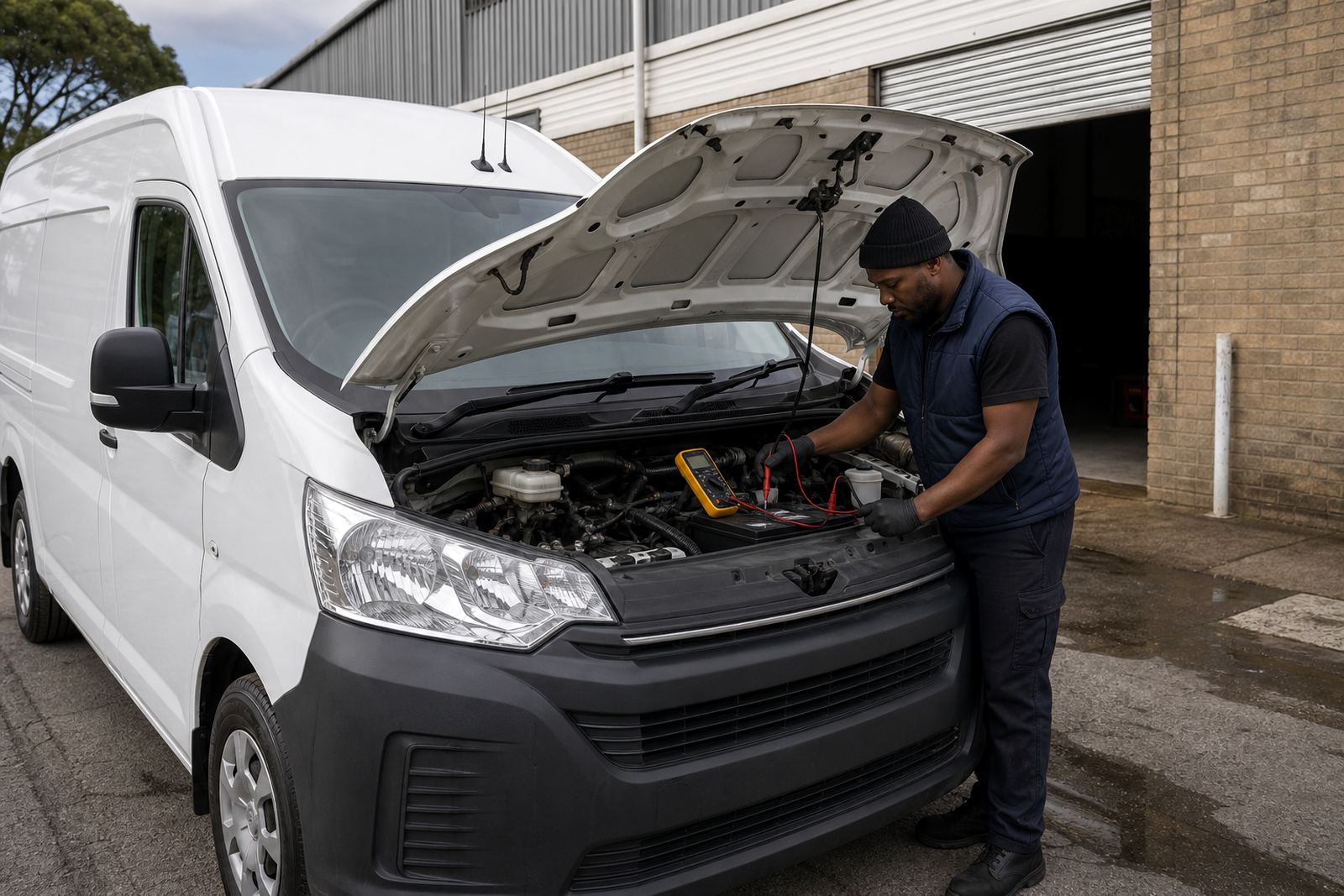
- Earth fault checks and voltage drop testing
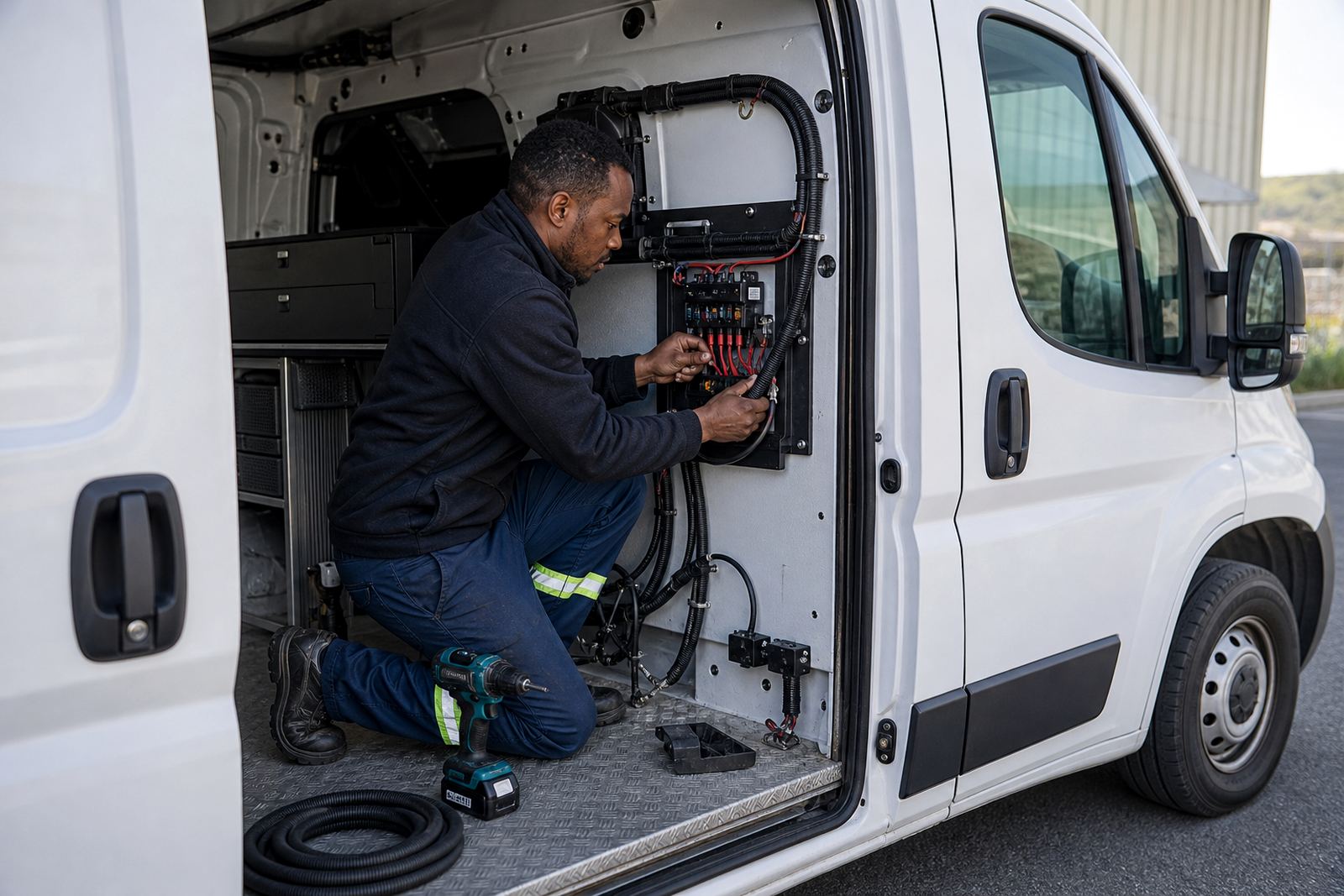
- Lighting, fuse box and charging system repairs
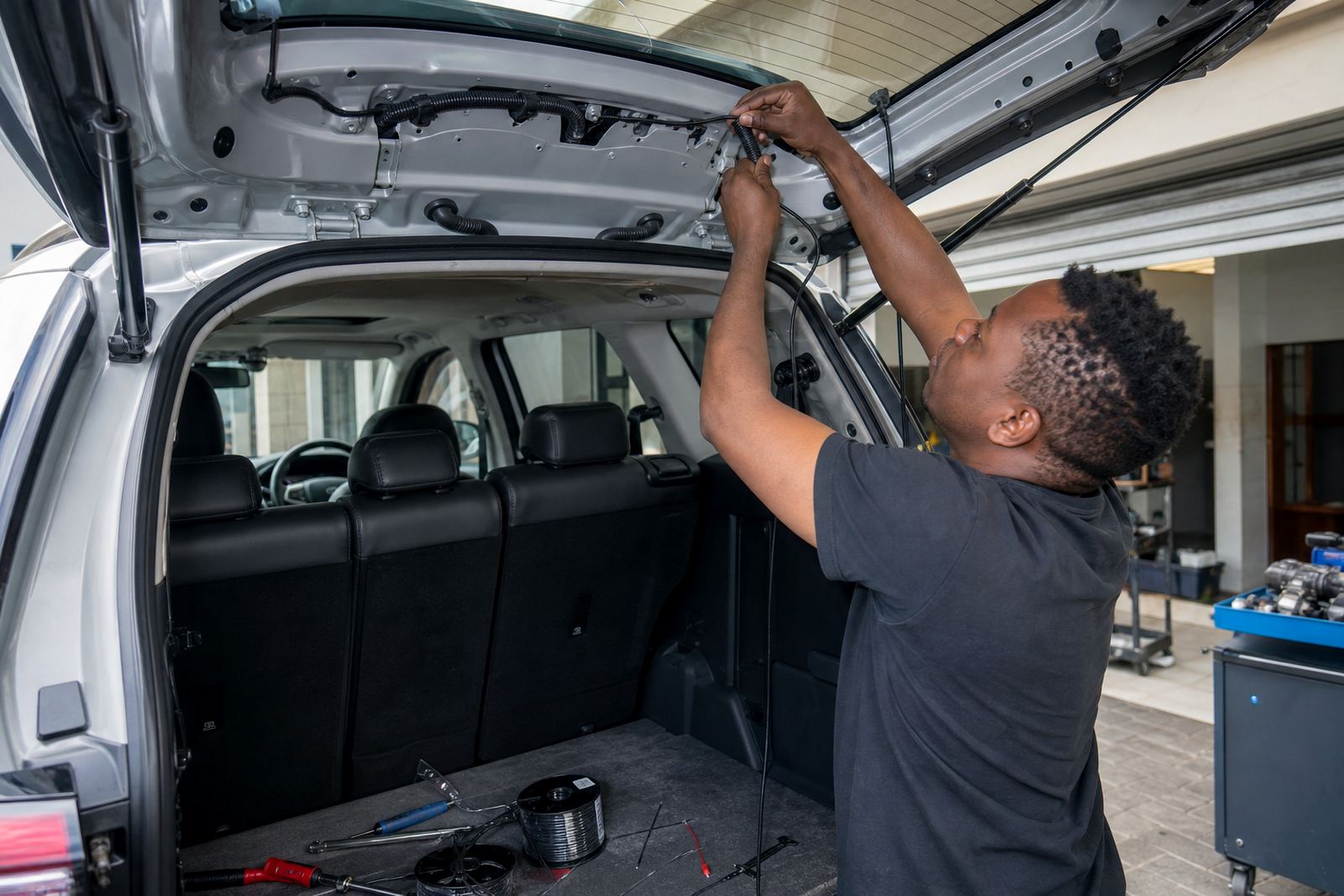
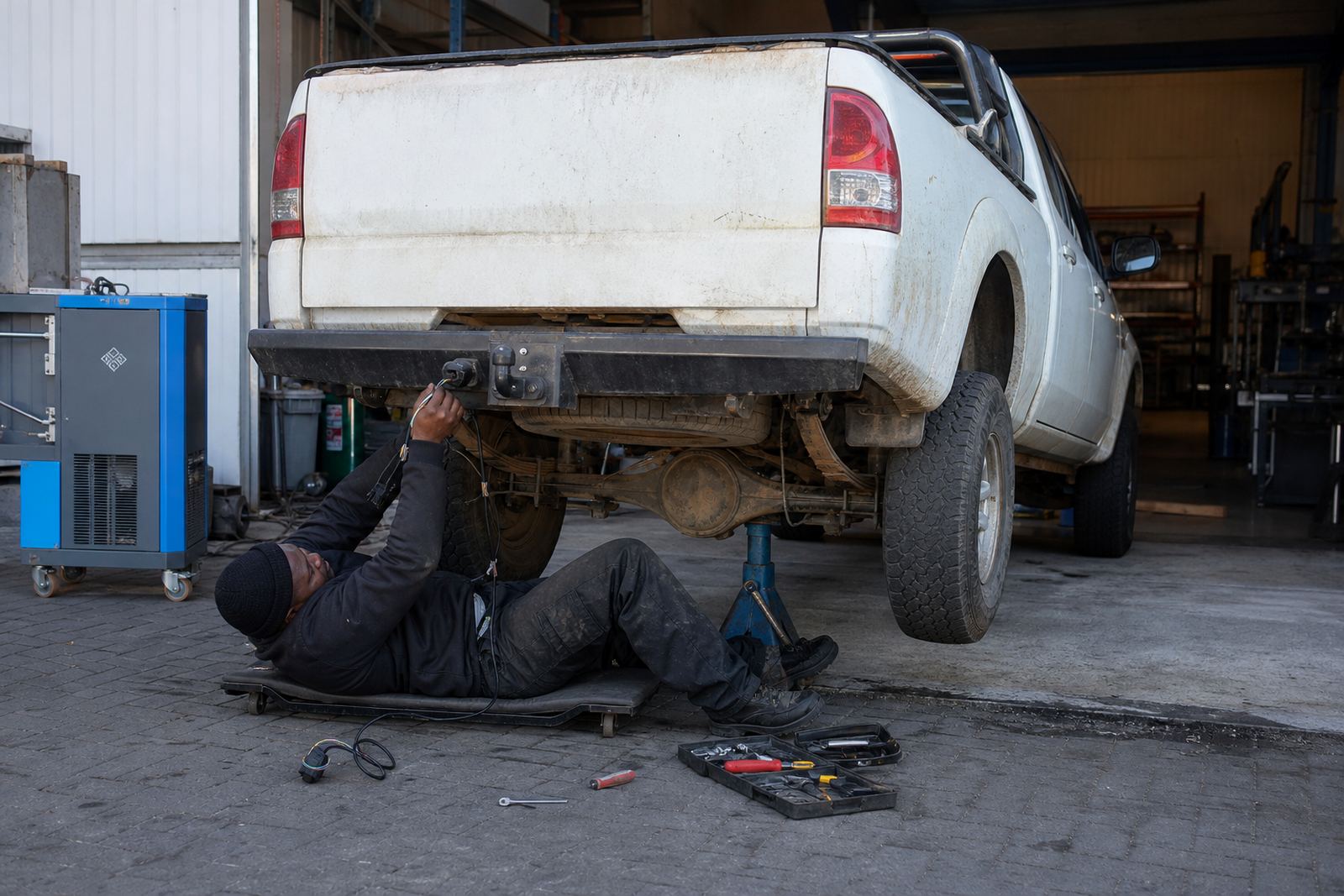
- Trailer wiring and accessory rewiring
How the location note changes the job
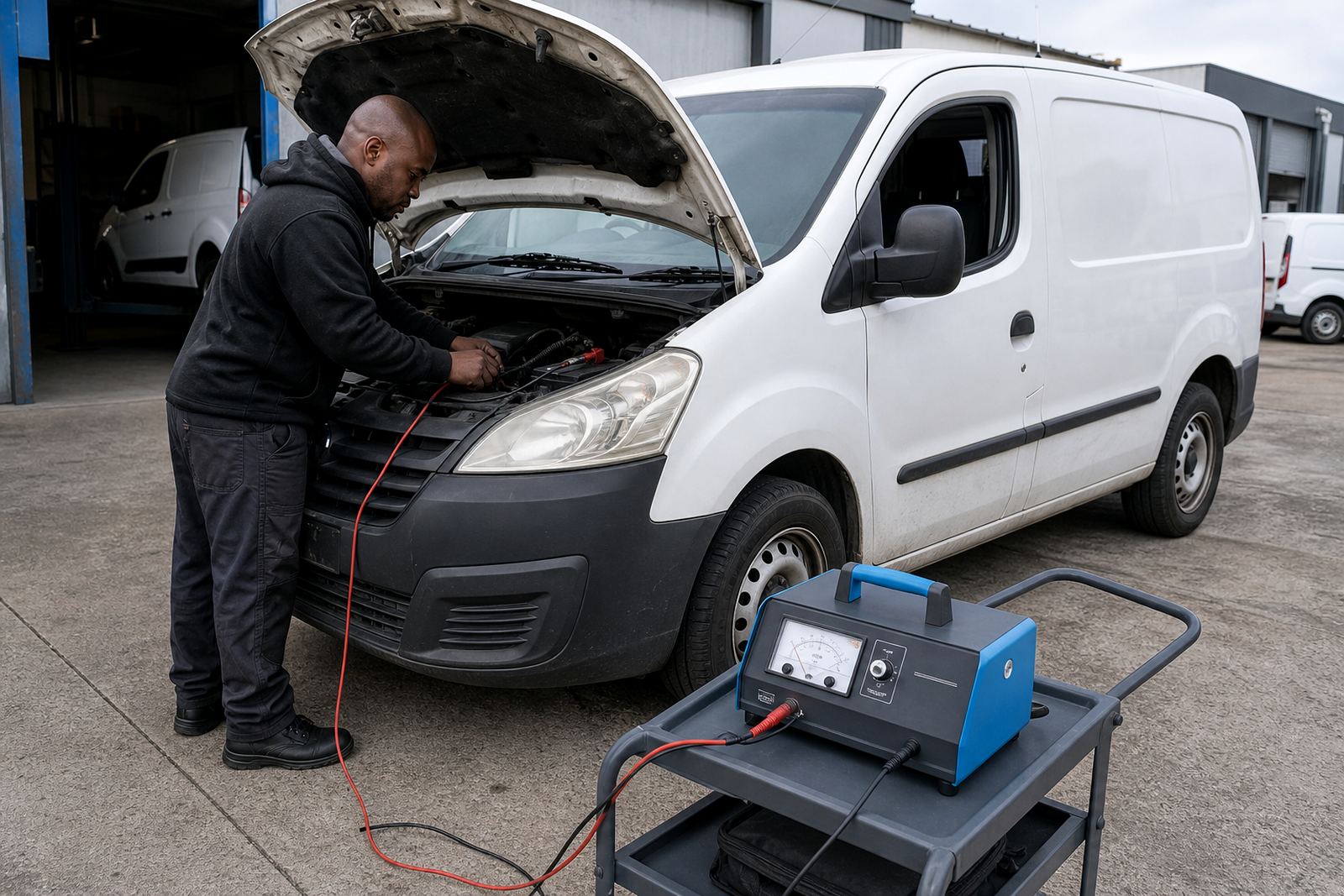
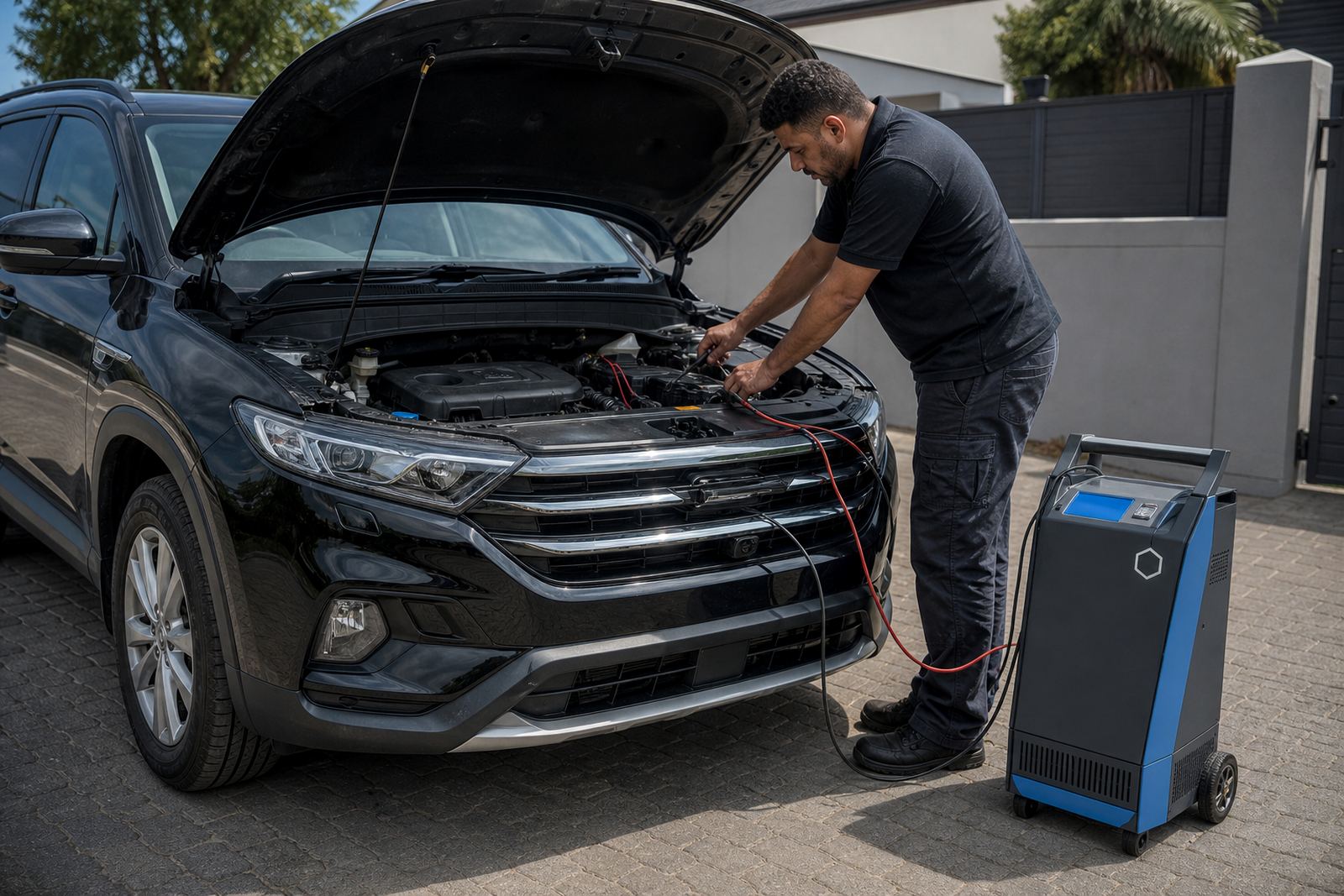
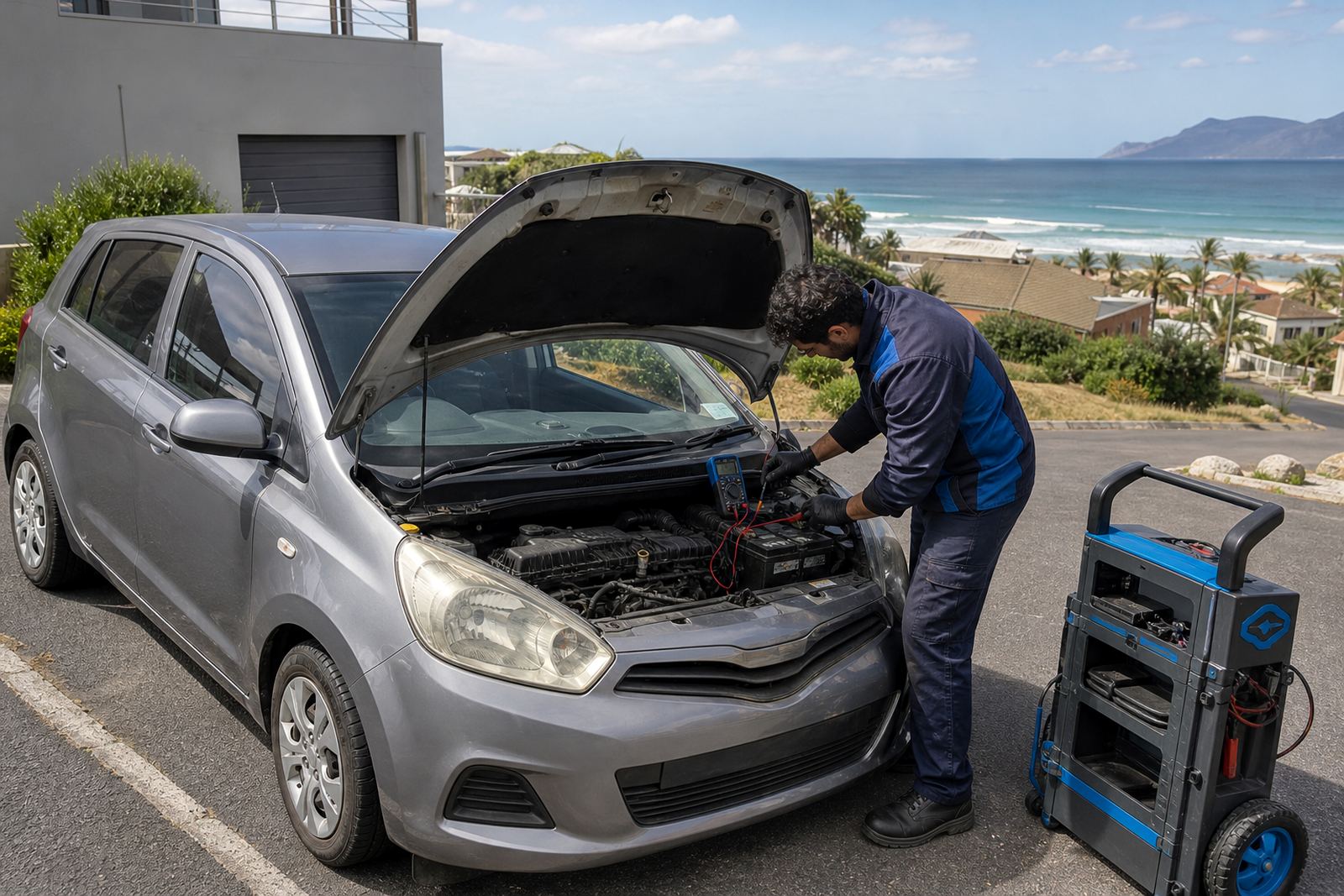
Where the vehicle is parked changes the work plan. A fleet yard in Milnerton, a workshop bay in Montague Gardens, or a roadside call-out in Somerset West can all need the same electrical checks, but the access, time on site and next steps differ. The case cards point out those local details so the pattern is easier to follow.
Mobile work also helps when a vehicle is not safe to drive, or when a fault only appears after a long route or loading cycle. In those examples the technician tests what can be checked on site, then lists what belongs back in the workshop for deeper repair.
Reading the system as a whole
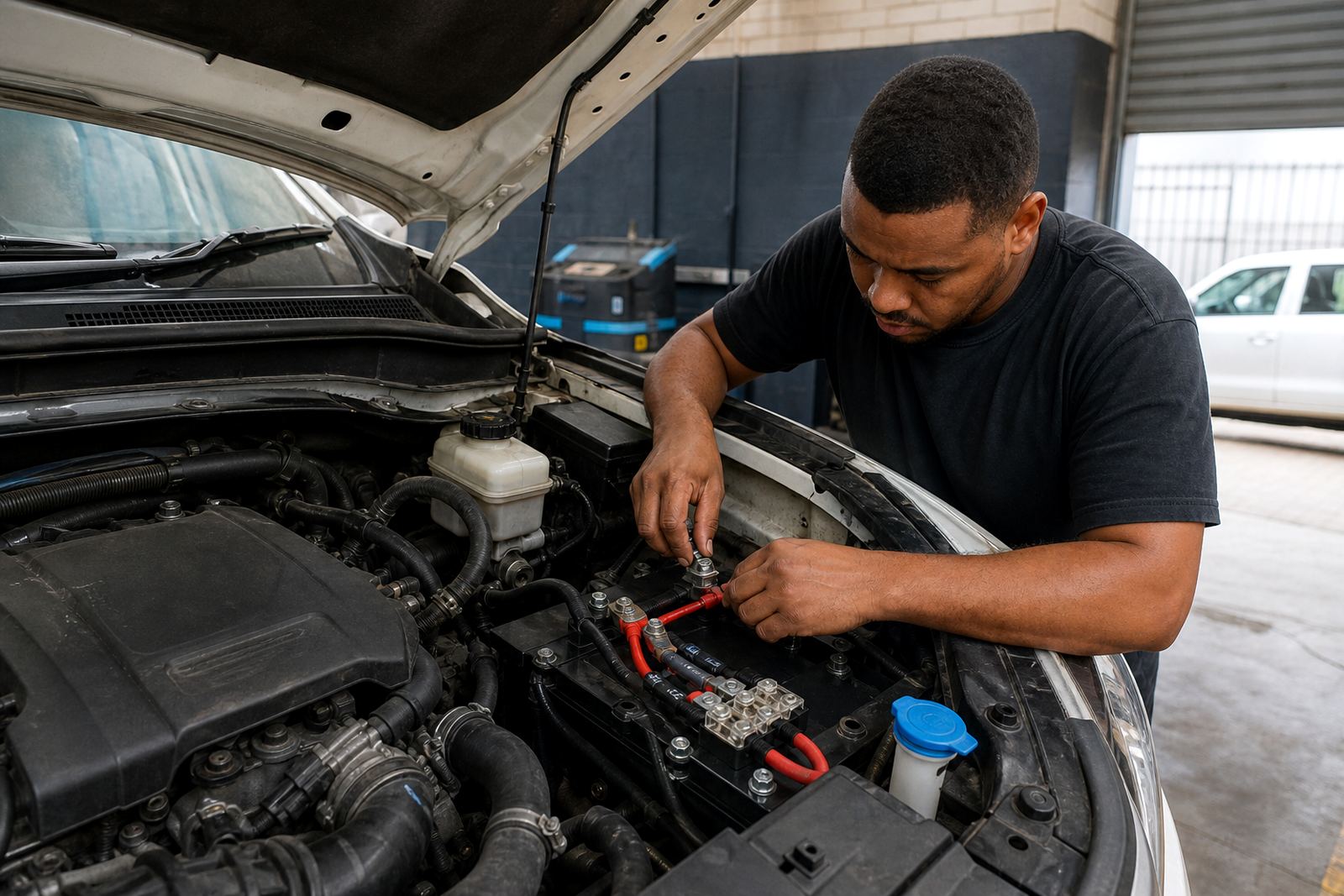
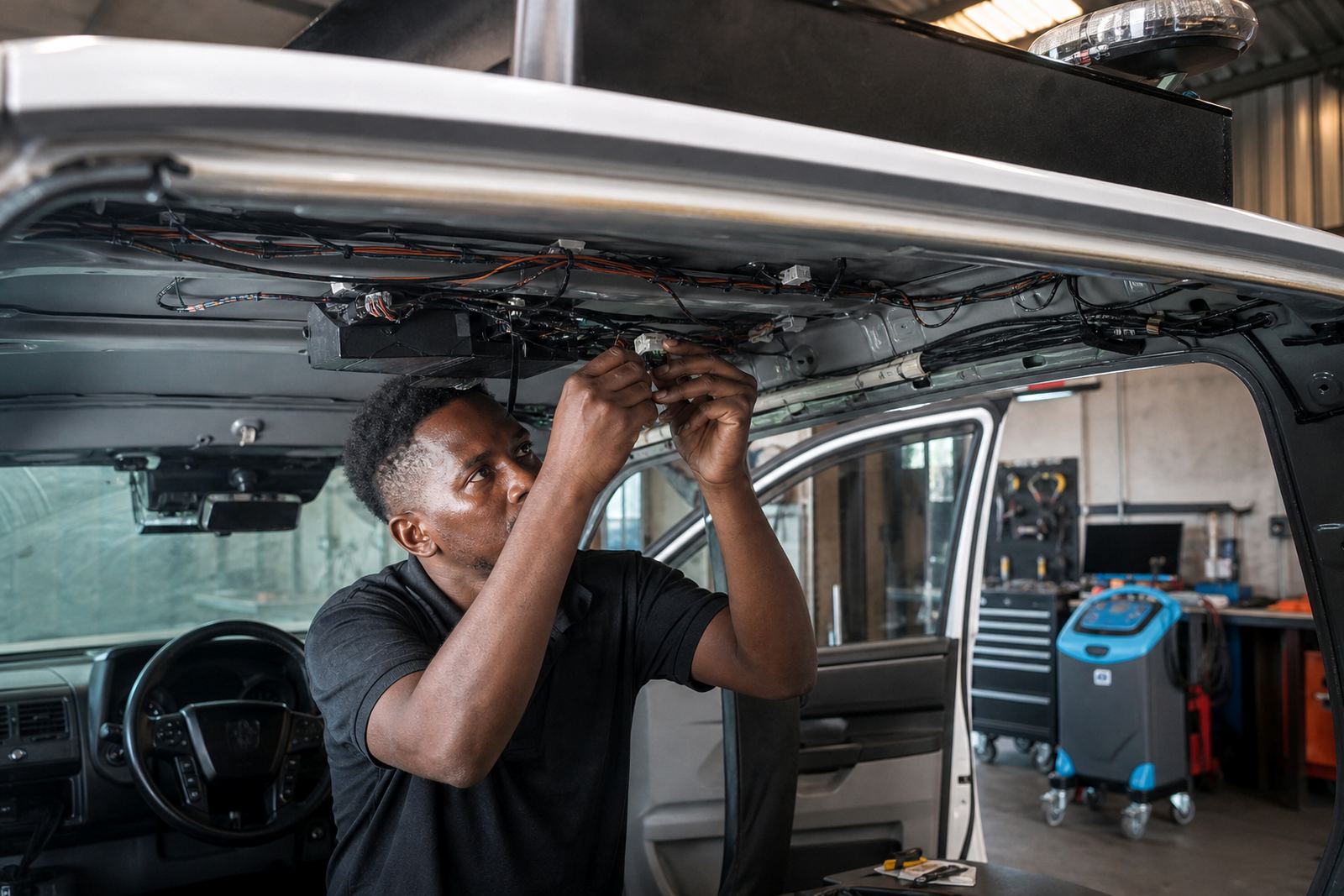
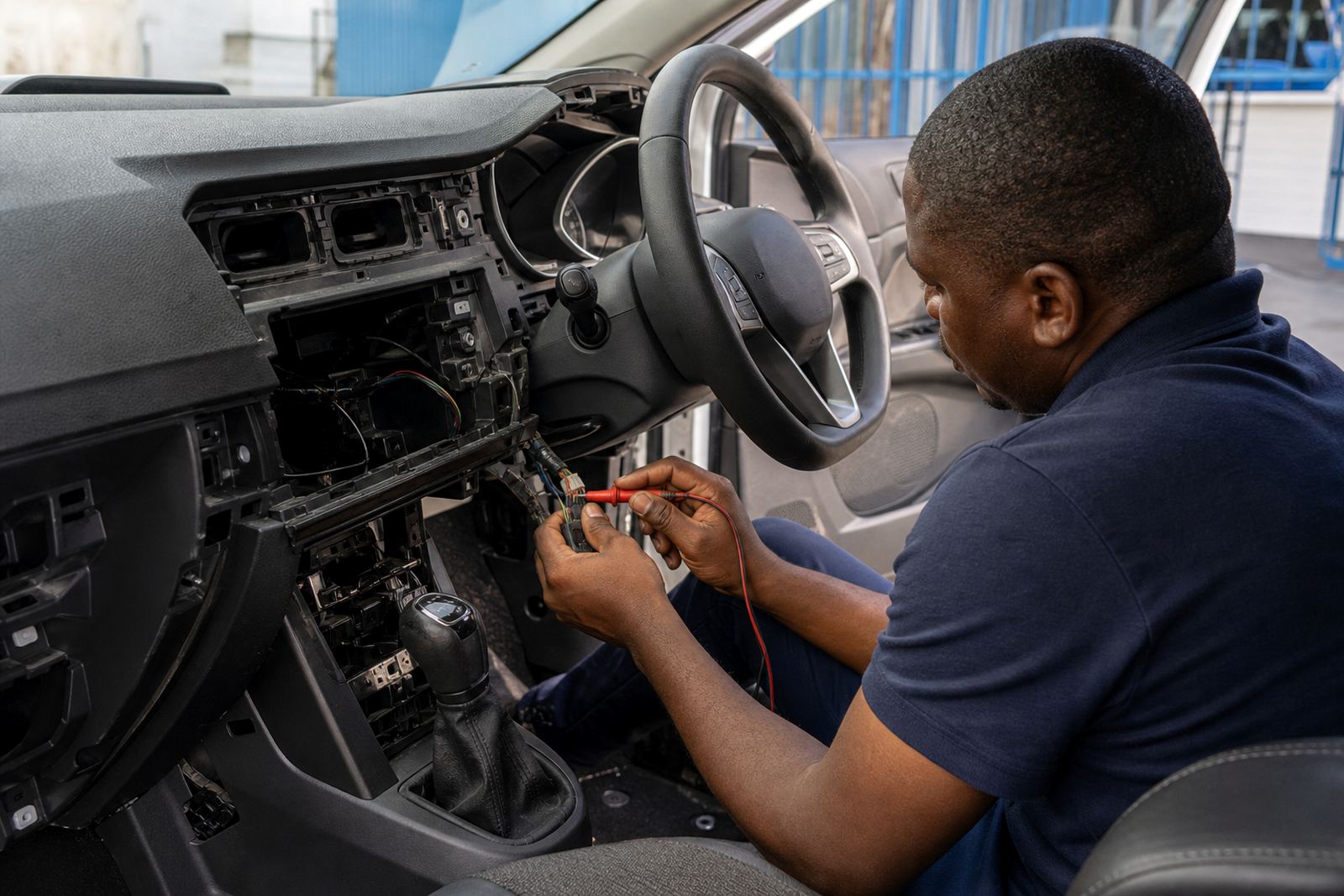
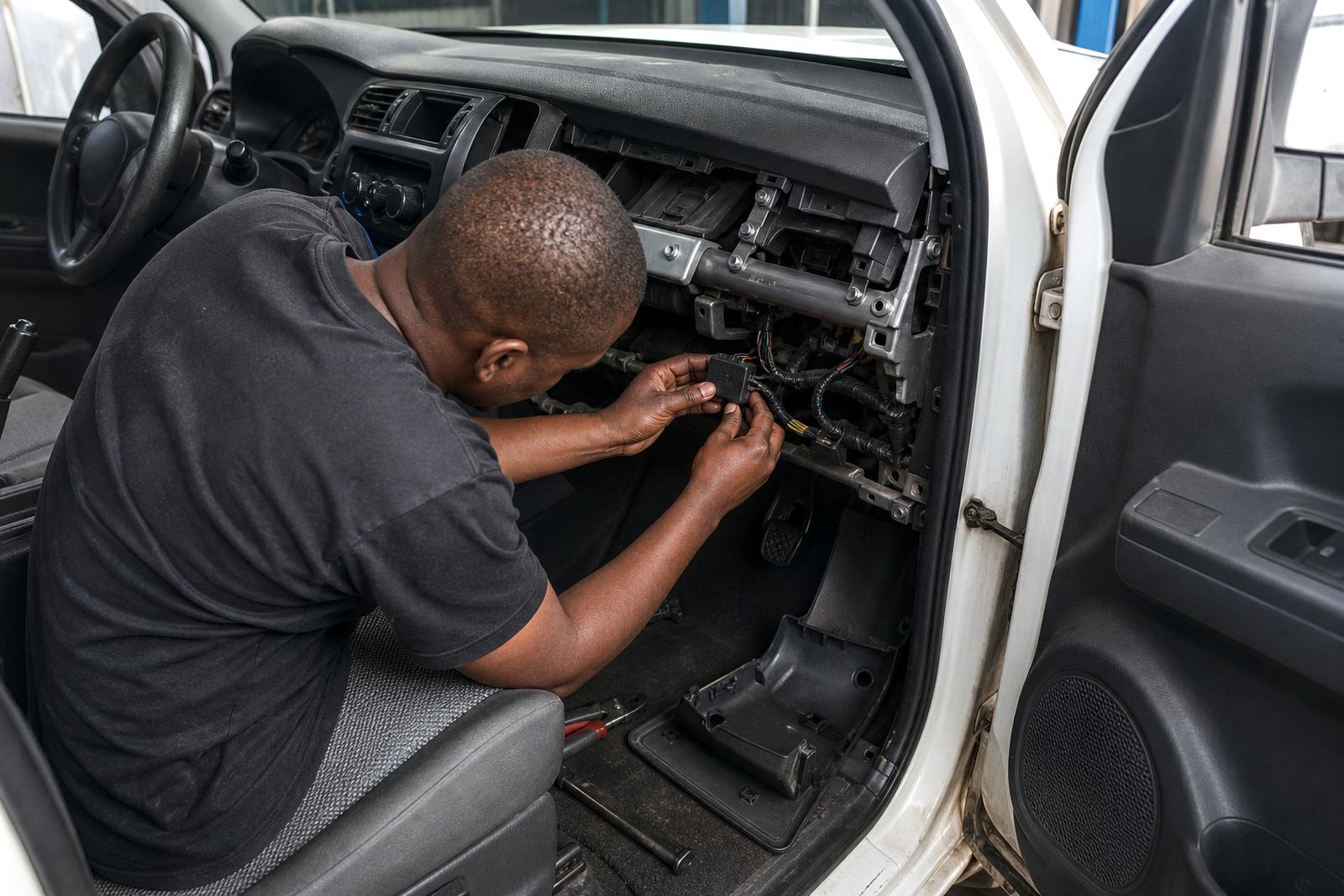
Modern wiring faults rarely stay in one place. A poor connection can affect starting, charging, lighting and accessories together, while a bad signal line can trigger misleading fault codes, including CAN bus faults.
- Trace the fault from symptom to circuit
- Confirm power, earth and signal flow
- Separate failed parts from failed connections
- We check if the fault stays constant or comes and goes
Fleet work and private vehicle work are not the same thing
Private owners usually want one troublesome vehicle sorted cleanly with the fault explained clearly. Fleet work often needs a paper trail, planned access and a view of recurring faults across vehicles or drivers.
For fleet operators, the useful detail is often the repeat pattern: the same battery drain, the same starter complaint, or the same accessory wiring issue on more than one unit. For private owners, the value sits in seeing how a single problem was traced without changing parts at random.
Work details stay general
We keep vehicle details general to focus on the fault, the repair path and the location context across Cape Town, Bellville, Brackenfell, Durbanville, Paarl and surrounding areas.
That approach suits workshop browsing better than a sales page. It lets you see whether the issue sits in diagnostics, wiring repair, charging, starter circuits or accessory fitting, then move to the most relevant case note.
Information to send with a booking
When you book, include the warning light, any fault code, what the vehicle is doing, where it is located, and whether the fault is constant or intermittent.
- Vehicle type and location
- Fault symptoms and warning lights
- Any recent repairs or battery changes
- Whether it is a workshop visit or call-out
Those notes help the team decide whether the first step is a diagnostic scan, a charging test, a wiring inspection or a mobile visit to the vehicle.