



Fault codes are only the first clue
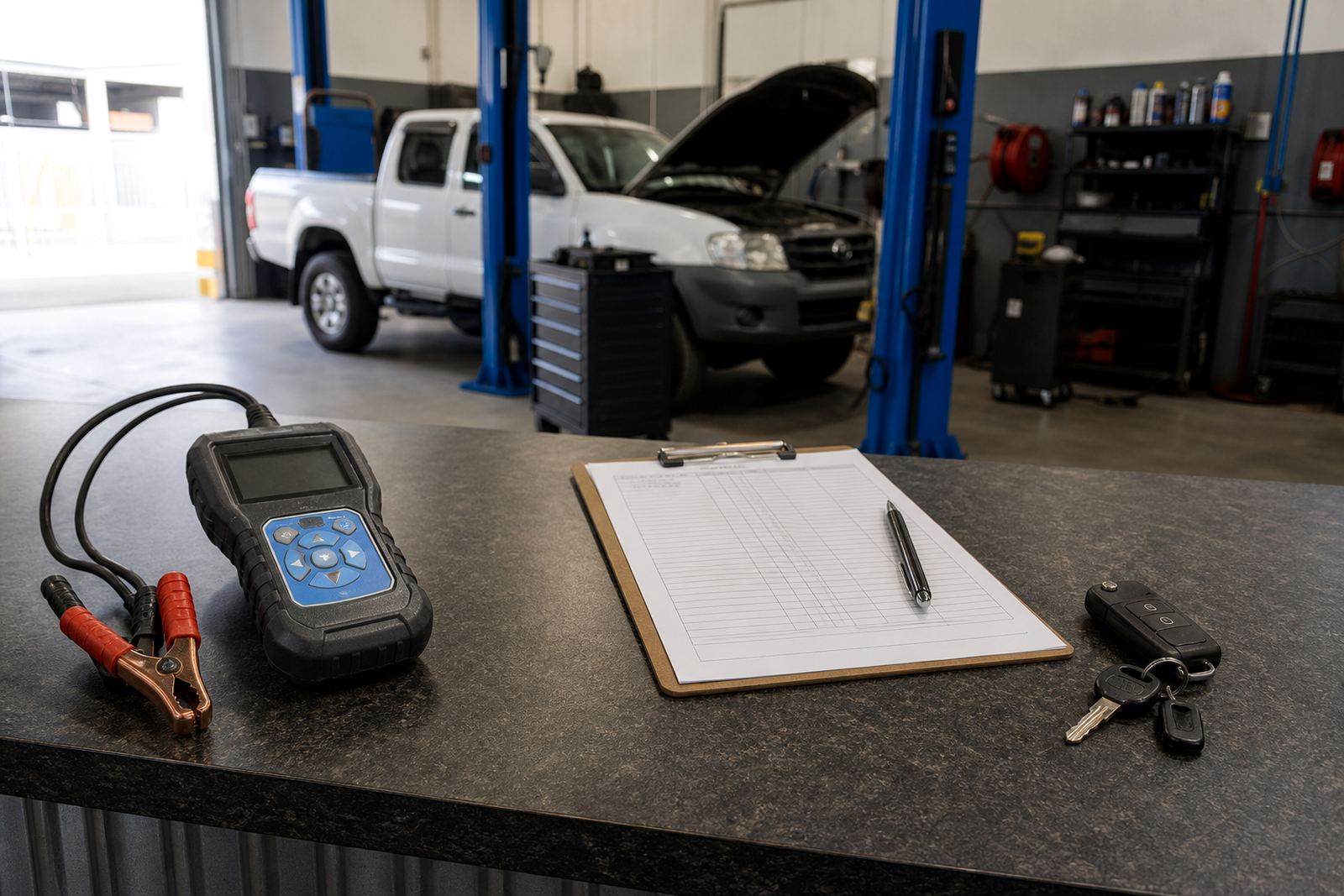
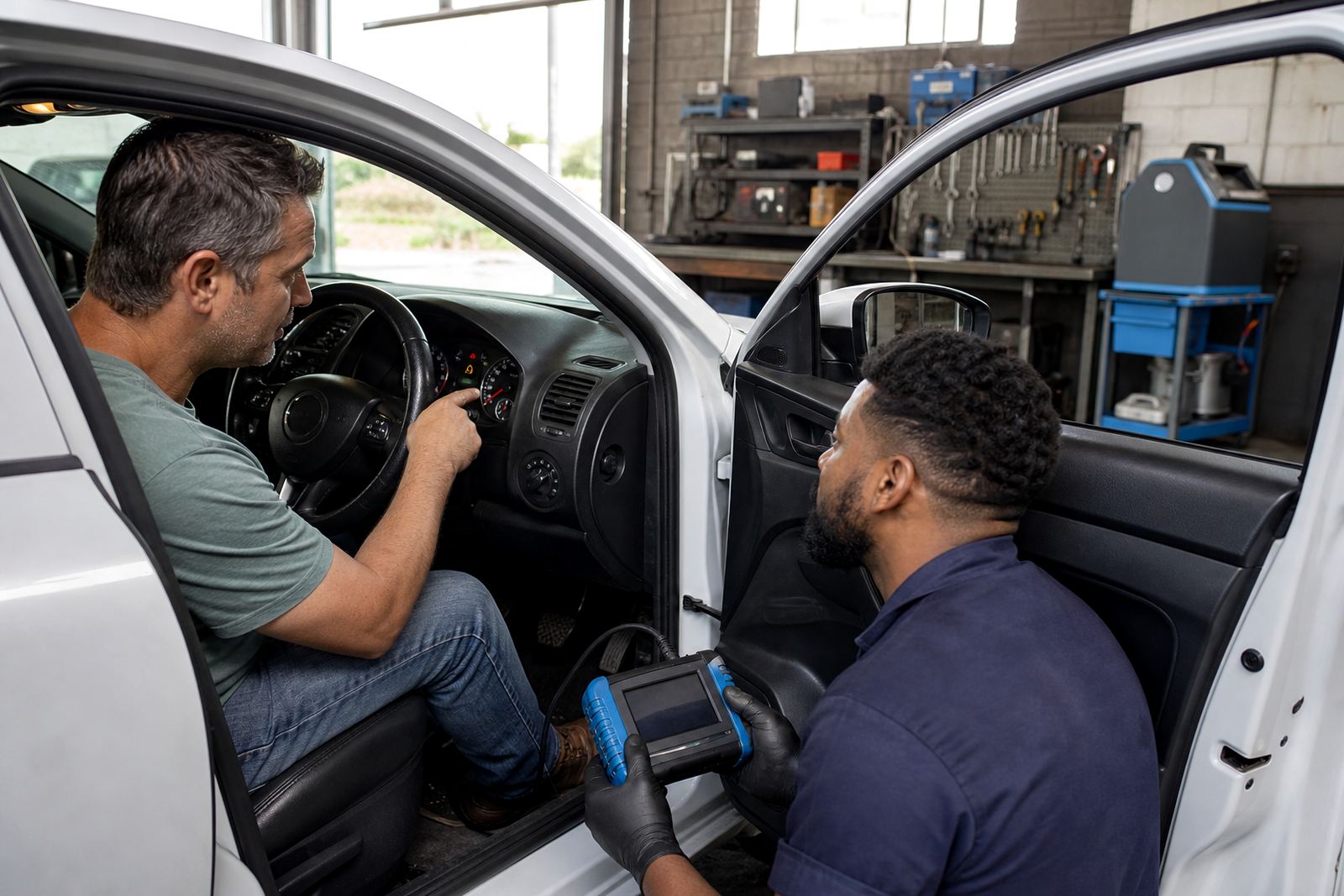
Modern vehicles store fault codes for many reasons, but the code alone does not fix the fault. A clear explanation can show how technicians read OBD data, watch live values and compare those readings with the symptoms you report. That is the difference between swapping parts and tracing the real cause.
Useful reading on diagnostics should point out what the workshop is checking, not just what the scan tool says. An intermittent misfire, poor earth, weak battery or damaged wiring can all trigger codes that look similar on paper. In Cape Town traffic, with stop start driving and short school runs, the real pattern matters more than the code list.
Battery drain notes for parked vehicles
Some articles focus on vehicles that go flat after standing overnight or after a weekend at the yard. A proper battery drain check looks for unwanted current draw, then follows the circuit until the drain is found. That process can point to a glovebox lamp, a relay that stays live, a tracker issue, or a wiring fault hidden in a loom.
- Ask whether the drain test is done with the vehicle locked and settled.
- Check if the workshop measures draw before removing parts.
- Find out if the fault is in a circuit or in a component.
- For fleet units, confirm whether repeat failures are logged against one vehicle or one fitment pattern.
Starter, alternator and charging system checks
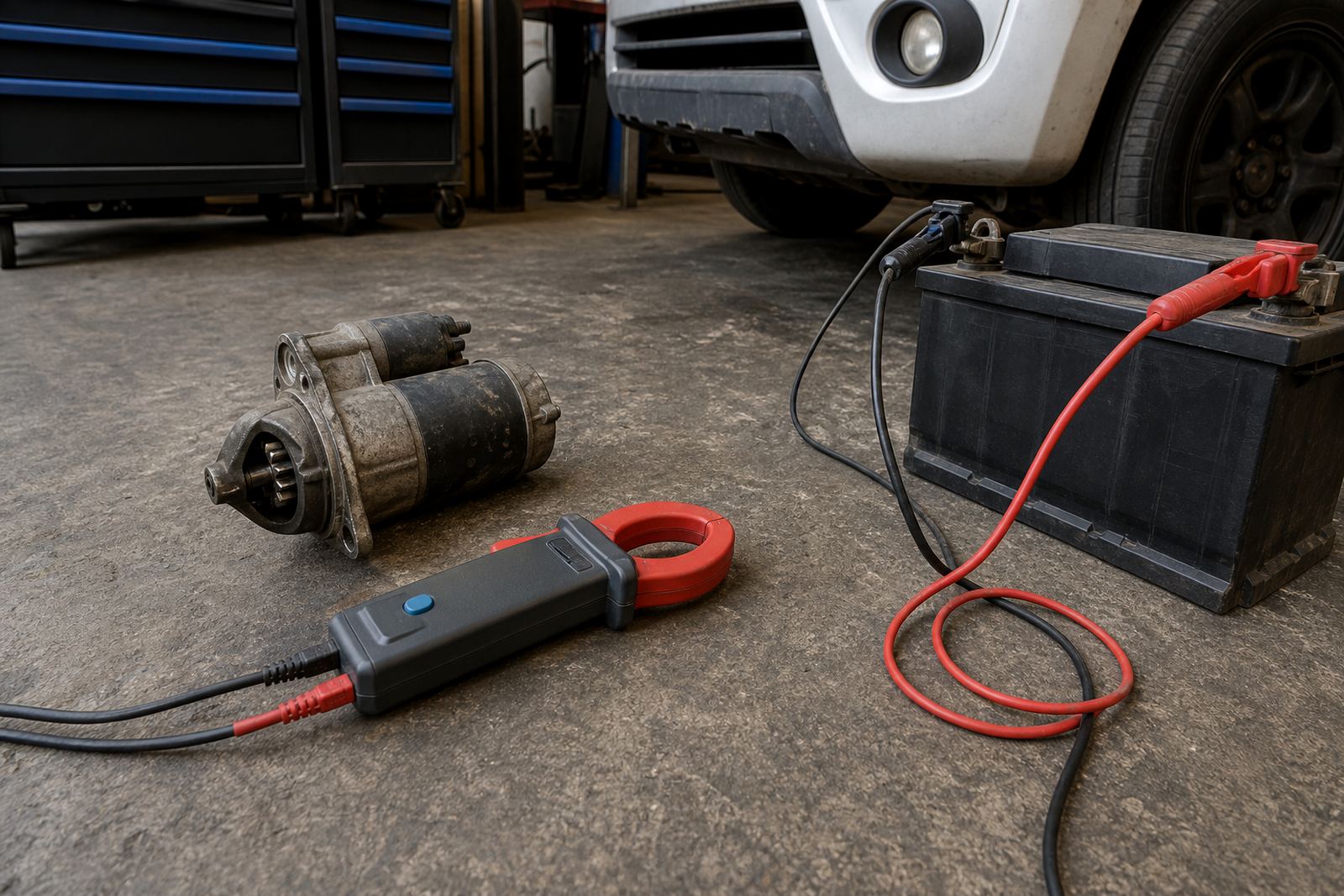
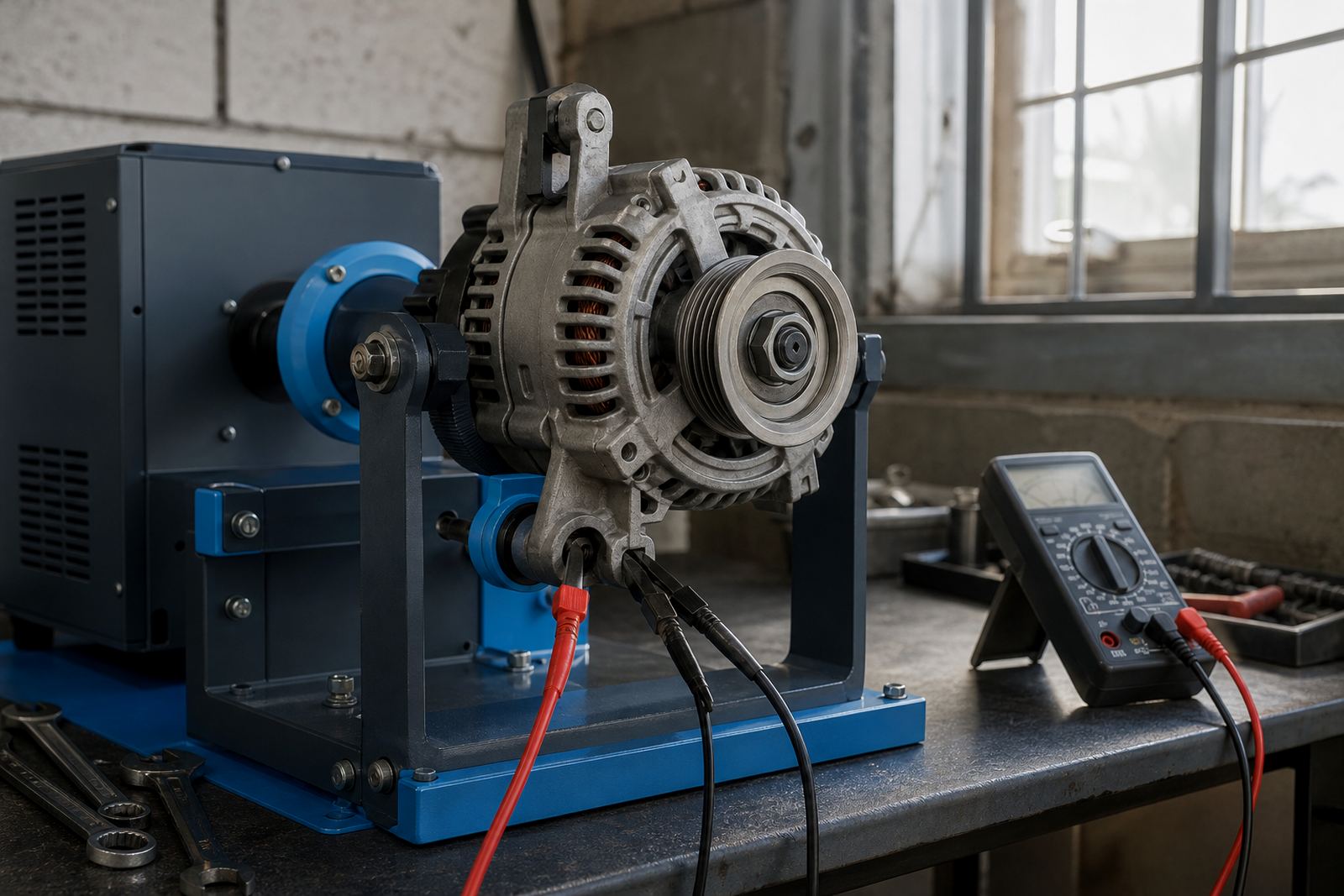
Starter and alternator problems often show up as slow cranking, dim lights or a warning lamp that appears under load. A technician tests battery condition, charging voltage, output under load and cable integrity before any repair starts. A corroded cable terminal or tired earth strap can look like a failed alternator from the driver’s seat.
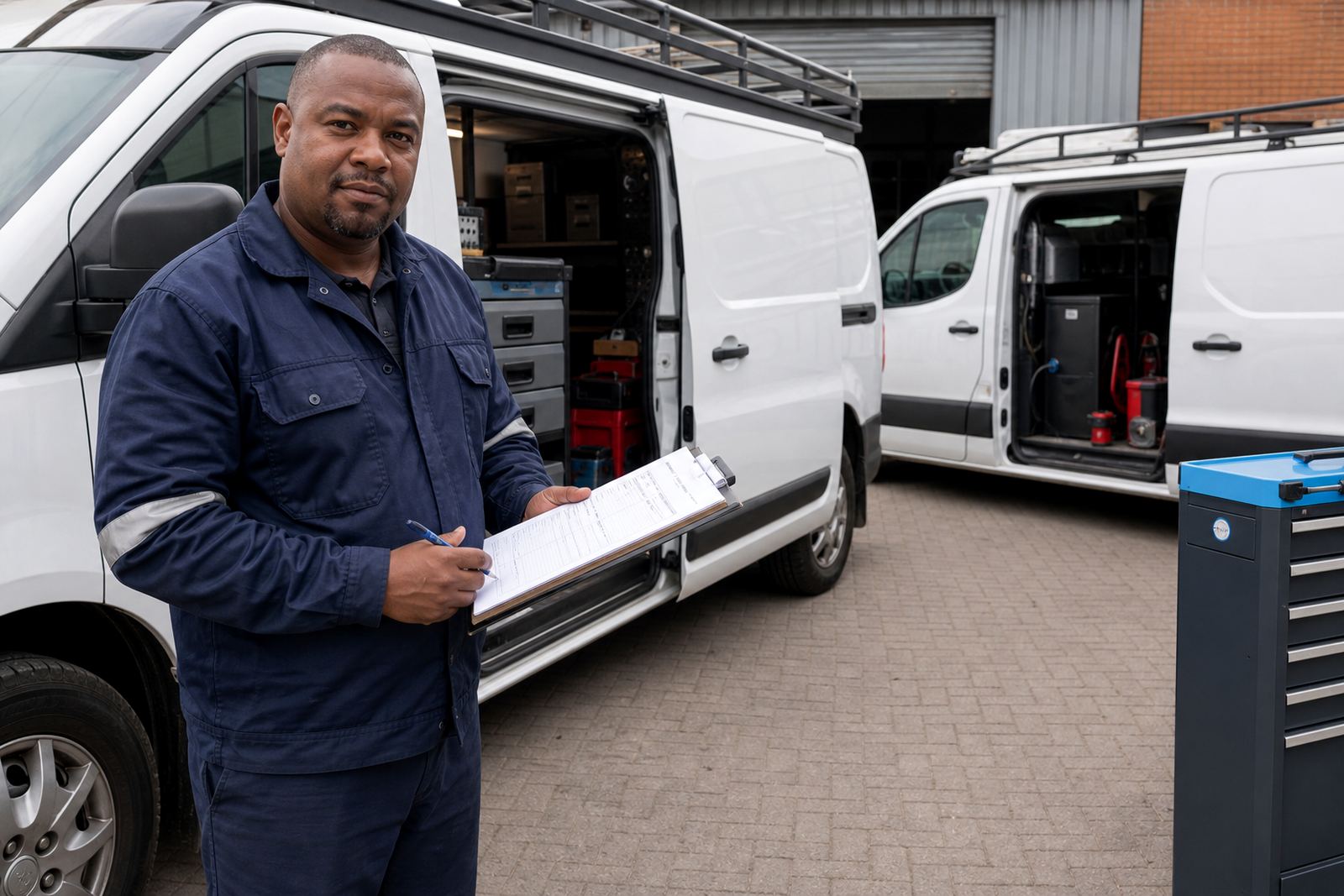
Charging system work also matters on work bakkies and fleet vans that carry extra electrical load. Lights, fridges, tools and other accessories can expose weak components much faster than normal use. A practical check should help you work out whether the fault is in the starter circuit, the alternator, or the battery and cable path between them.
Wiring repairs need method
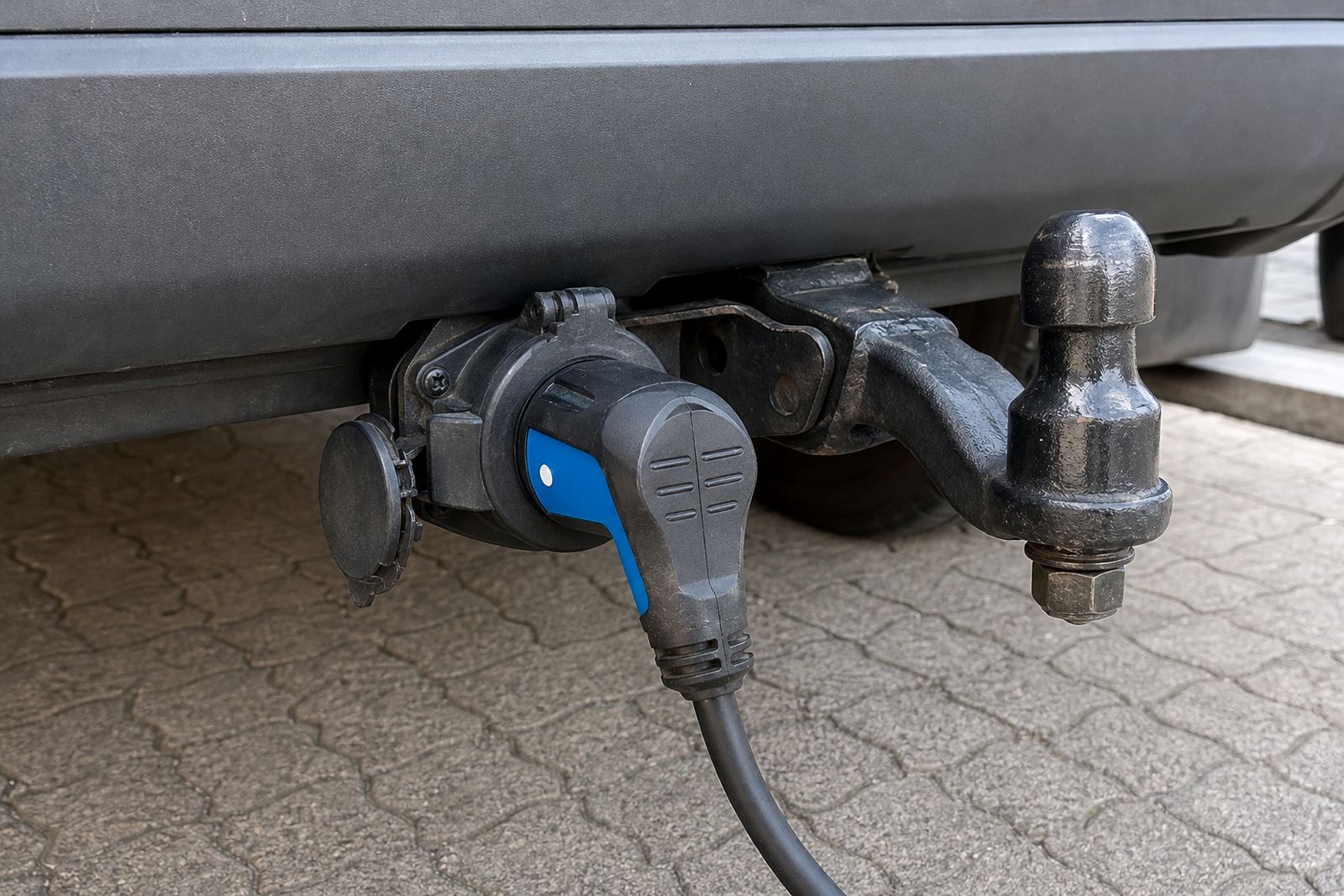
Wire damage is not always visible. Heat, moisture, vibration and poor previous repairs can leave faults deep inside a loom or connector. We trace wiring faults, earth faults, fuse box faults and trailer wiring issues methodically.
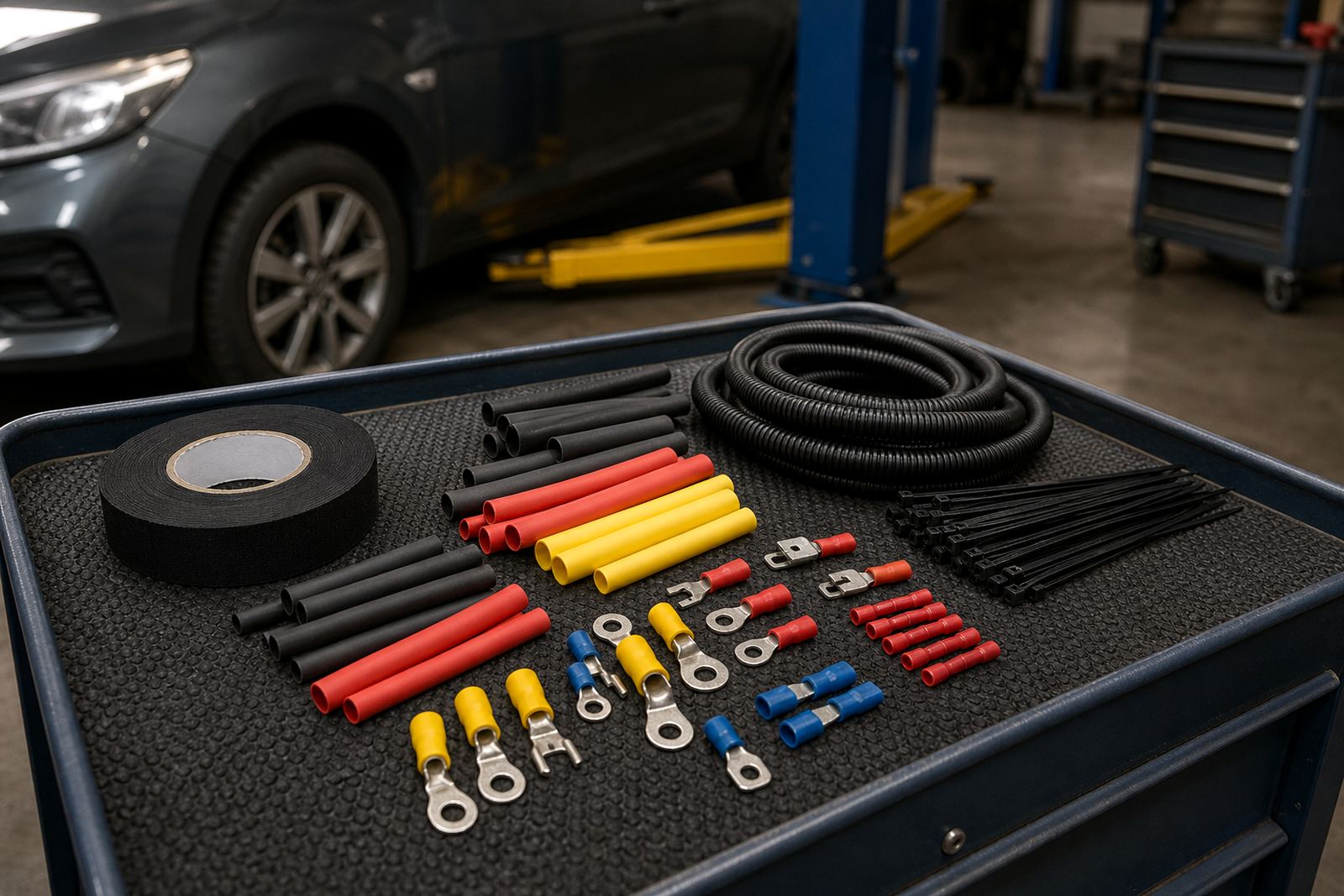
On coastal routes and in workshop yards near Montague Gardens or Milnerton, moisture and corrosion can make connections behave badly. We clean terminals properly, replace damaged sections of wiring, and repair connectors where needed, instead of leaving twisted wires and tape in place.
- Ask if the wiring is tested under load, not only with a visual check.
- Check whether the repair includes connector repair and proper sleeving.
- Confirm if trailer wiring faults are separated from vehicle body faults.
- Find out whether the earth path is tested from end to end.
Trackers, accessories and CAN bus basics
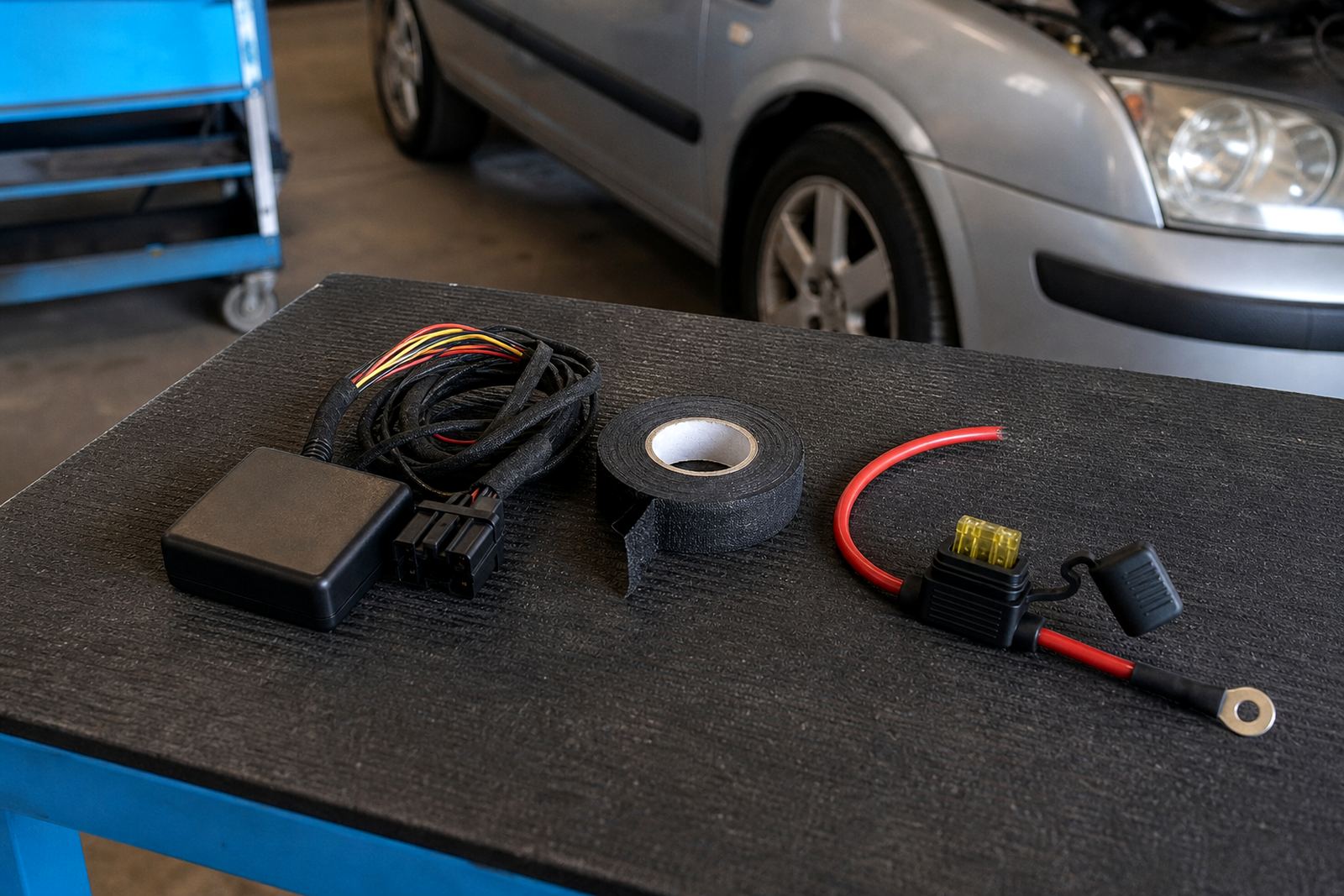
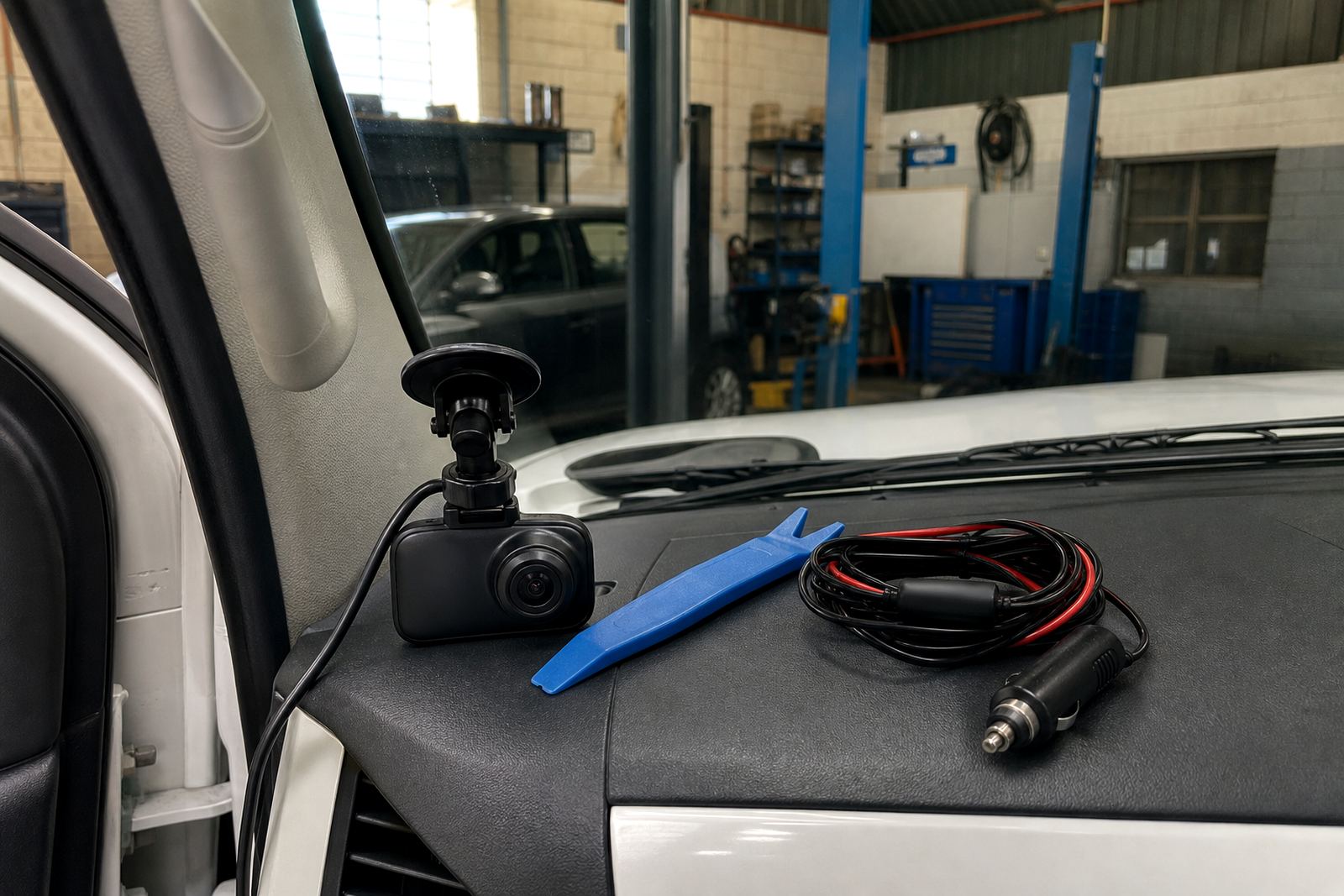
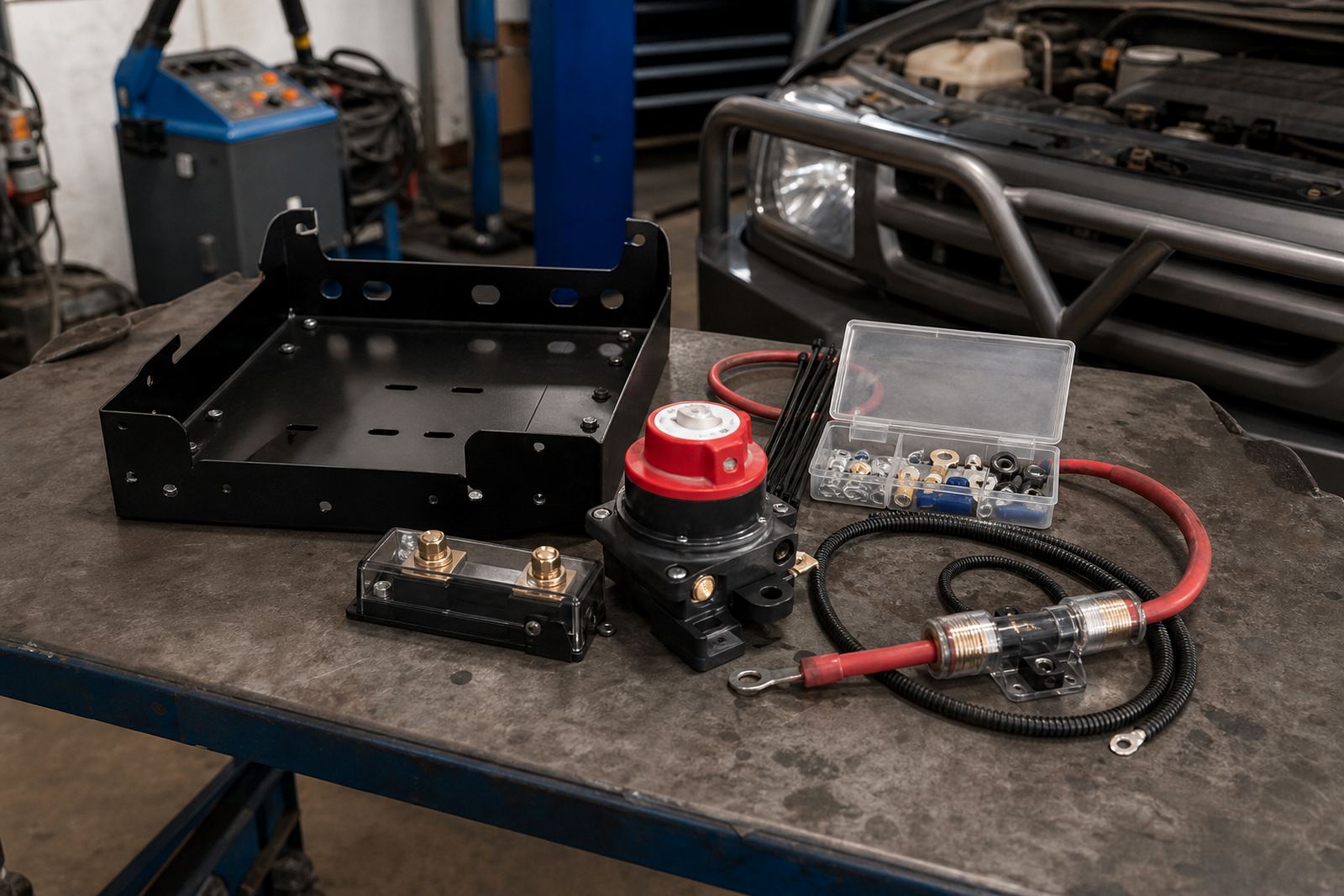
Tracker and accessory fitments need more care than a basic power take-off. Accessory rewiring needs the right fuse protection, ignition-triggered circuits where needed, and clean cable routing through the vehicle. On newer vehicles, CAN bus systems also need respect because the wrong connection can upset other functions or create false warnings.
You should look for advice that treats the electrical system as one network, not a pile of separate wires. That matters for fleet operators fitting telematics, beacons, work lights or extra charging points, and for private owners adding accessories to family vehicles. The right questions can save time later: where is the power taken from, how is it protected, and what is isolated from the vehicle network.
Choosing the right electrical checks for your vehicle
Match the symptom to the most likely system. No-start faults point to starter and charging checks. Repeated battery loss points to drain checks. Warning lights after accessory fitment point to wiring and CAN bus checks.
For operators across Cape Town, Bellville, Somerset West and Paarl, match the fault to the vehicle age and how it is used. A daily delivery van and a car parked for days need different checks.