What the command test actually checks on the vehicle
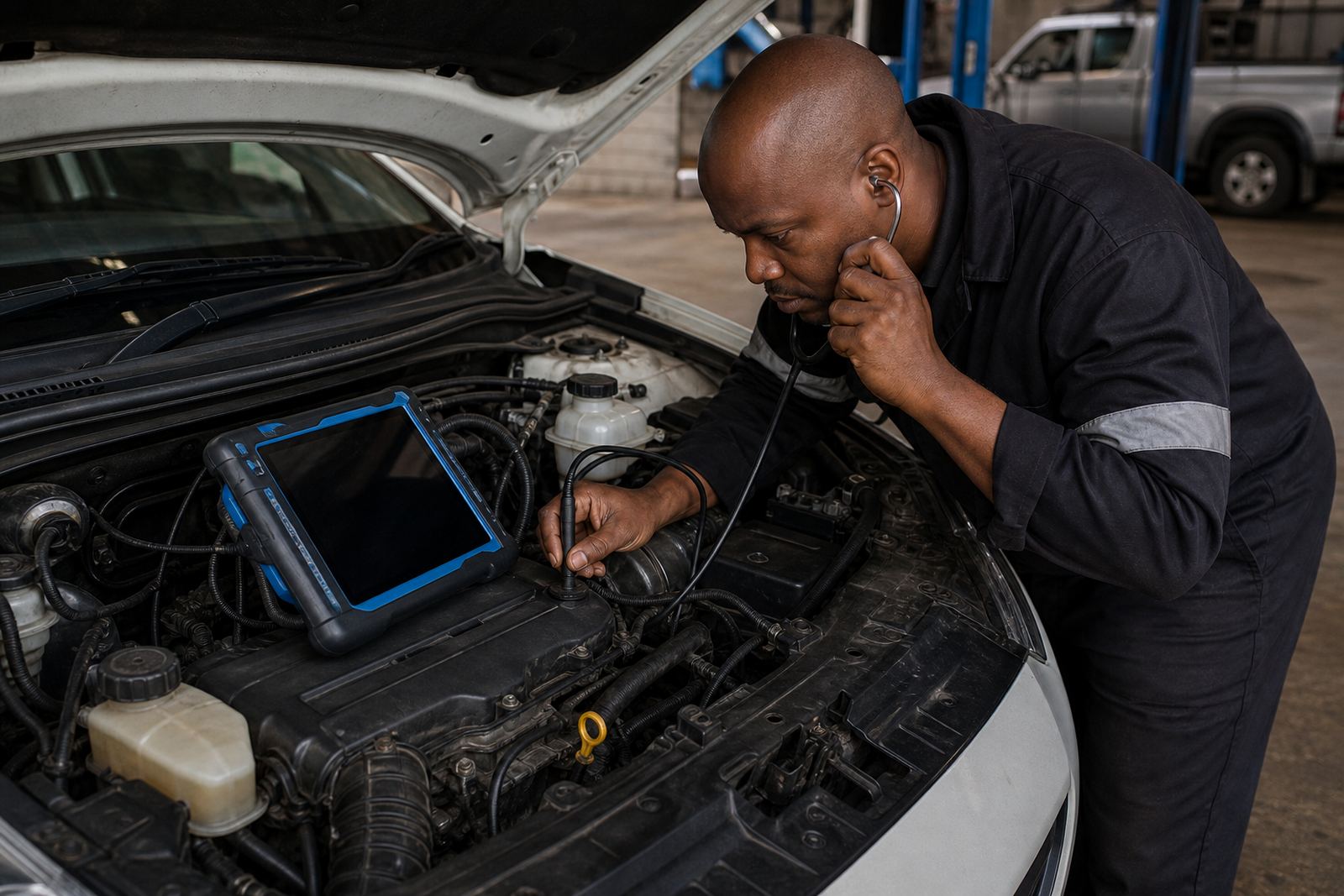
An actuator command test is used during diagnostics when a system needs to be told what to do, rather than just read for stored fault codes. The technician sends a command to a compatible module and watches the related part move, click, switch or change state. That response tells us far more than a static code alone. It is useful on motors, valves, relays, flaps, pumps and other controlled items fitted to modern vehicles.
On our side in Montague Gardens, the test is used with live data, fault code reading and basic electrical checks so the picture is complete. If a valve is commanded open but the current draw stays flat, or a motor is told to run and nothing happens, the fault may sit in the device, the wiring or the control side.
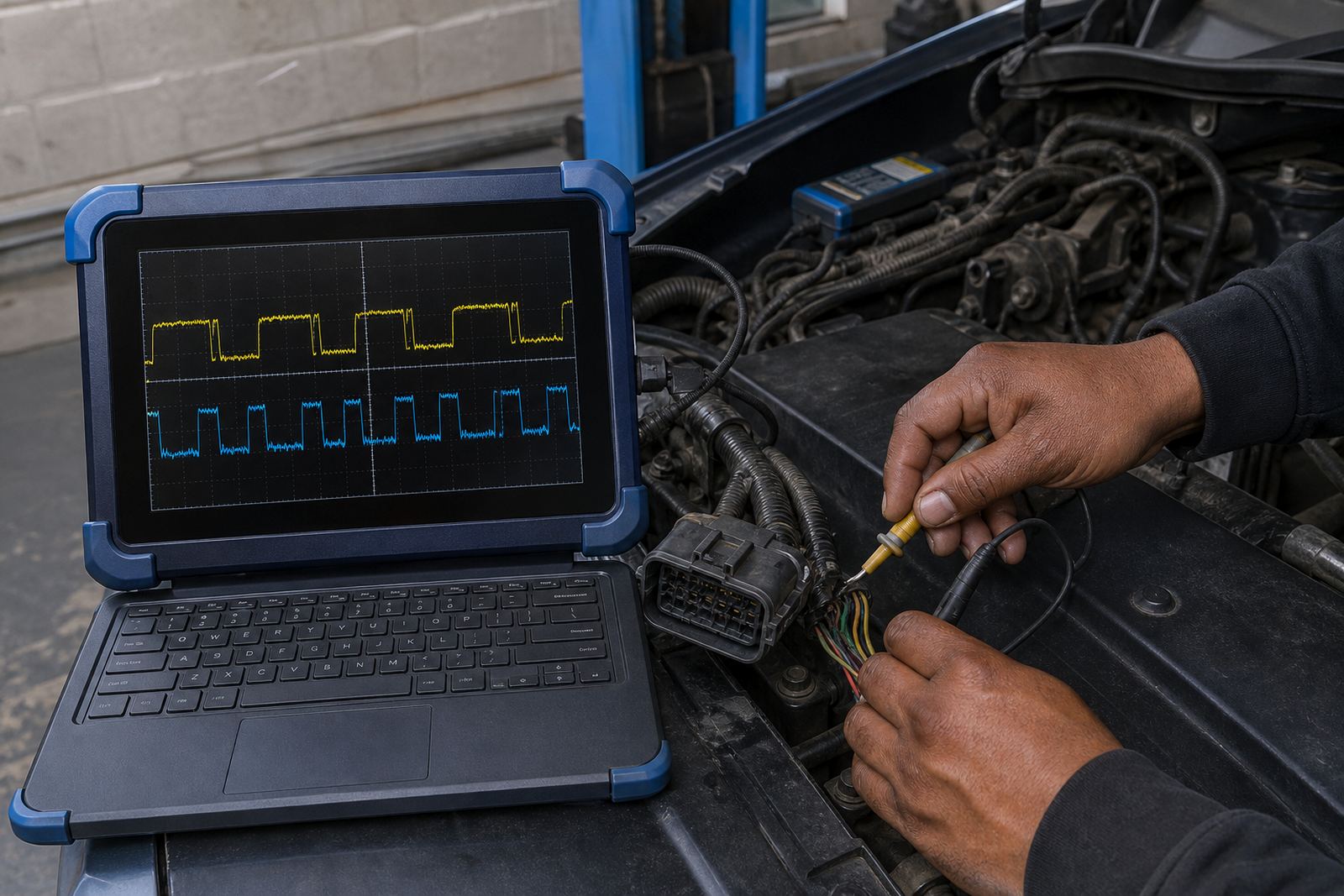
It also suits jobs where the complaint is intermittent. A dashboard warning light can be present, yet the system may behave normally during a quick static inspection. Command testing lets the technician ask the component to work while monitoring voltage, current and feedback signals at the same time.
Compatible systems and where the test is useful
This type of test is commonly used on engine management, cooling-related controls, emissions-related actuators, cabin climate components, central locking parts, diesel and petrol throttle control items, and other electronically controlled assemblies. The exact coverage varies by vehicle and module fitted, so the job is matched to the system on that vehicle.
- Motors and valves that have scan tool control
- Relay-driven loads that need a live output check
- Systems with feedback sensors or position signals
- Parts that only fail under command, heat or load
- Fleet vehicles where repeat faults need a proper trace
It is often paired with OBD fault code reading, live data checks, battery testing, alternator output testing and parasitic drain tracing. That combination gives a clearer answer than one test on its own. Where CAN bus communication is involved, the technician can also see whether the command is reaching the module cleanly or being lost along the way.
Sizes, leads and equipment options we work with
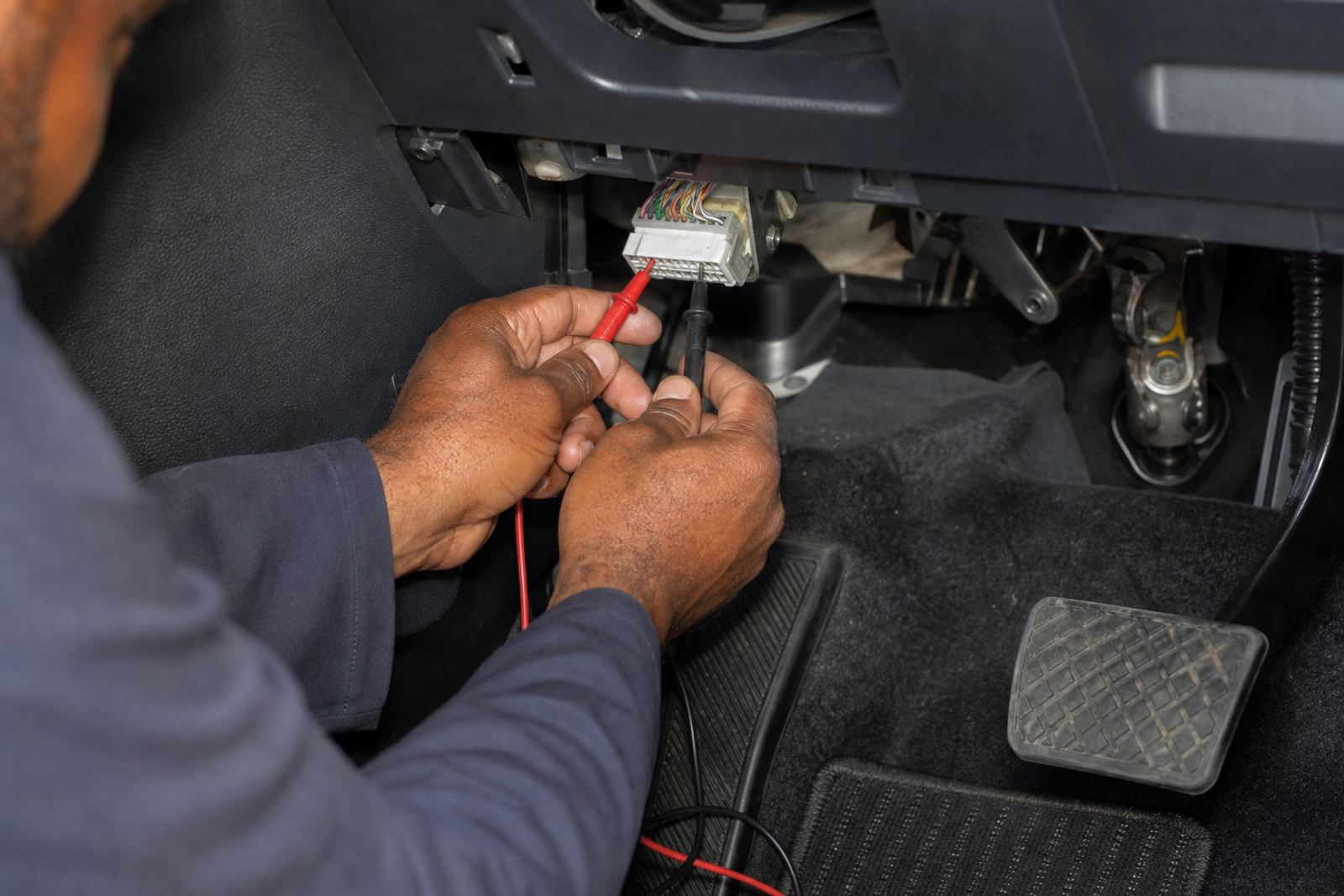
There is no single physical size for an actuator command test, because the setup changes with the vehicle, the module and the diagnostic route. Some jobs need only scan tool command functions and a standard probe set. Others need finer back-probing pins, fused jump leads, current clamps or breakout access so the technician can measure the circuit without damaging the loom. On fleet work, longer lead runs and a tidy mobile setup help when the vehicle cannot be brought to the workshop bay.
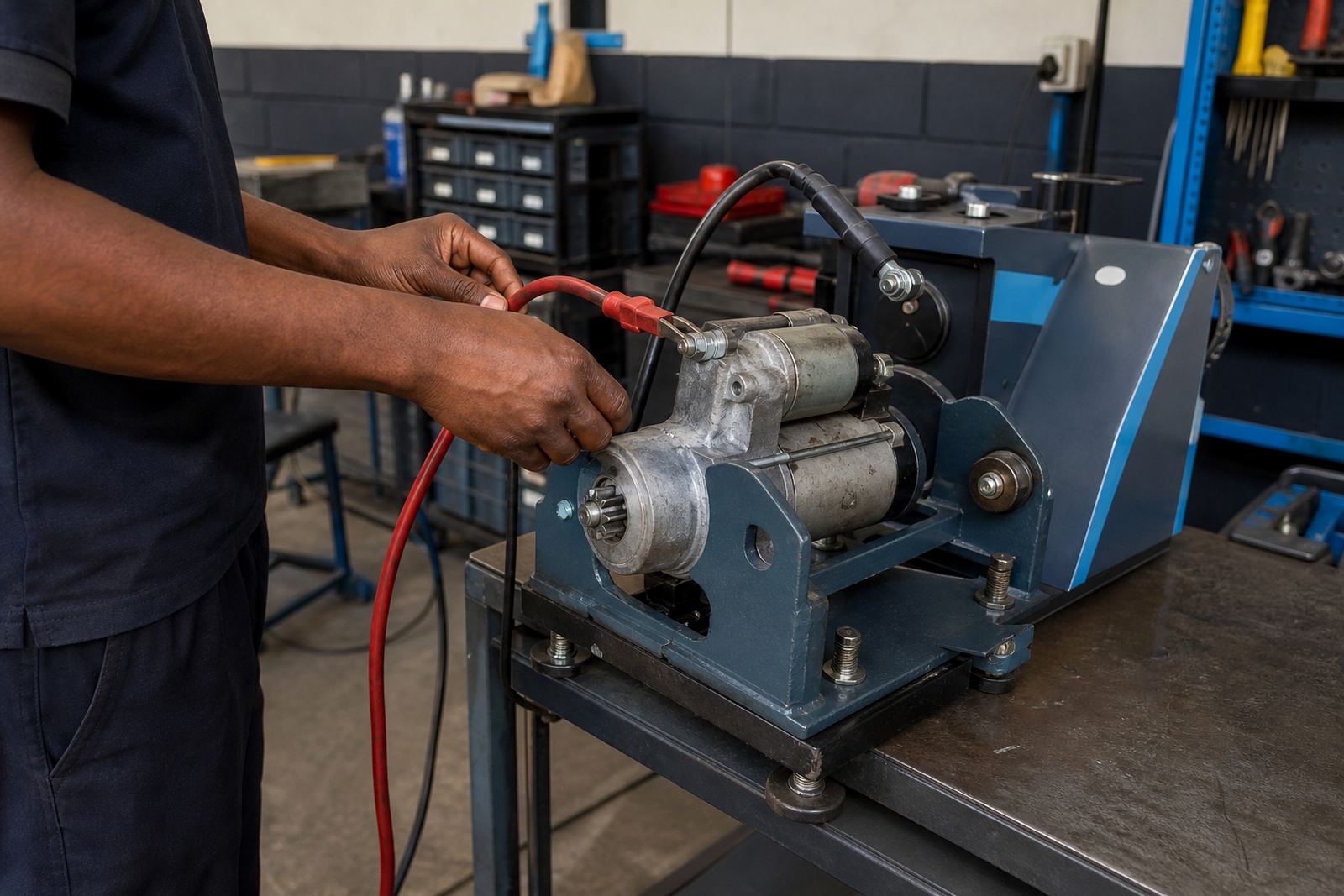
Where access is tight, we use compact test leads and small probes for plugs near fuse boxes, under bonnet junctions or behind trim. For heavier loads such as starter circuits, cooling fans or charging-related checks, thicker leads and proper load handling are important. The right option depends on the circuit type, the current draw and whether the test is being done in the workshop or on a call-out in Cape Town, Bellville, Milnerton, Somerset West or Paarl.
- Scan tool command function for supported modules
- Back-probe leads for sealed connectors
- Fused test leads for protected live checks
- Current clamp support for draw measurement
- Workshop and mobile call-out use
Fitting and diagnostic setup that keeps the circuit honest
An actuator command test is only useful when the setup is done carefully. The vehicle battery must be stable, the control module must be communicating and the earth points must be sound before any command is trusted. If supply voltage is weak or a ground is tired, the result can mislead the test. That is why battery and charging checks often happen first, especially on vehicles with start-stop systems or multiple control modules.
When fitting or checking a related component, the wiring is traced from the module to the load and back through the earth side. Connectors are checked for corrosion, pushed-back terminals and heat damage. If a relay is involved, the coil side and load side are treated as separate parts of the circuit. The aim is to prove the fault, not just swap parts until the warning light goes off for a while.
For vehicles fitted with trackers, accessories or auxiliary items, added wiring can sit close to original looms and create confusion later. We check those additions against the vehicle's current setup so the command test still tells the truth. If the accessory wiring has been joined badly, the symptom may sit in a fuse box, earth point or shared feed rather than in the actuator itself.
Care after testing and what keeps the result reliable
After a command test, the system should be returned to its normal state and any temporary bridges, test leads or bypasses removed cleanly. If the component was exercised during diagnosis, the surrounding wiring and plugs should be left secure and dry. On coastal routes like Milnerton and Somerset West, salt air and humidity can work into weak connectors, so clean terminals and good protection matter after the job is done.
If the vehicle is used daily for deliveries, field work or private transport, it helps to keep the battery in good condition and avoid repeated jump starting. Low voltage can make an actuator look guilty when the real problem is elsewhere. Keep fuse boxes dry, watch for loose earth straps and do not ignore clicking relays or repeated warning lights, because those signs usually mean a circuit is deteriorating somewhere.
For fleet operators, a clear fault note after testing helps with later maintenance. It gives the workshop a record of what responded, what did not and where voltage or current dropped away. That saves time on the next visit and keeps the fault trail practical instead of vague.
Details to confirm before the test is booked
To prepare the right test path, we need the vehicle make, model, year, engine type and the exact symptom. The more useful detail you can give about when the fault appears, the better the command testing can be targeted. A note that the issue only shows up cold, during rain, after a long drive or while idling can point the technician in the correct direction.
- Vehicle model and year
- Engine type and fuel type
- Warning light or symptom description
- Whether the fault is constant or intermittent
- Any recent repairs, battery work or wiring changes
- Tell us if the job is done in our workshop or on site, and we will guide the starter kit, spares and support items.
If the vehicle has already had wiring repairs, starter repairs, alternator repairs, fuse box work or trailer wiring work, that detail helps as well. It can show whether the actuator issue is part of a wider electrical fault or a separate problem on its own. The right information lets us test the correct system and avoid chasing the wrong circuit.
Key facts
| Test method | Scan tool command output with live electrical verification |
|---|---|
| Compatible systems | Motors, valves, relays, flaps, pumps and linked control circuits |
| Electrical checks | Voltage supply, earth path, current draw and feedback signal |
| Support methods | OBD fault codes, live data, battery and charging tests |
| Fitment context | Workshop bay or mobile call-out across the Western Cape |
| Typical related faults | Wiring damage, CAN bus communication issues, weak earths, failed actuators |