What a bench test tells us about a starter
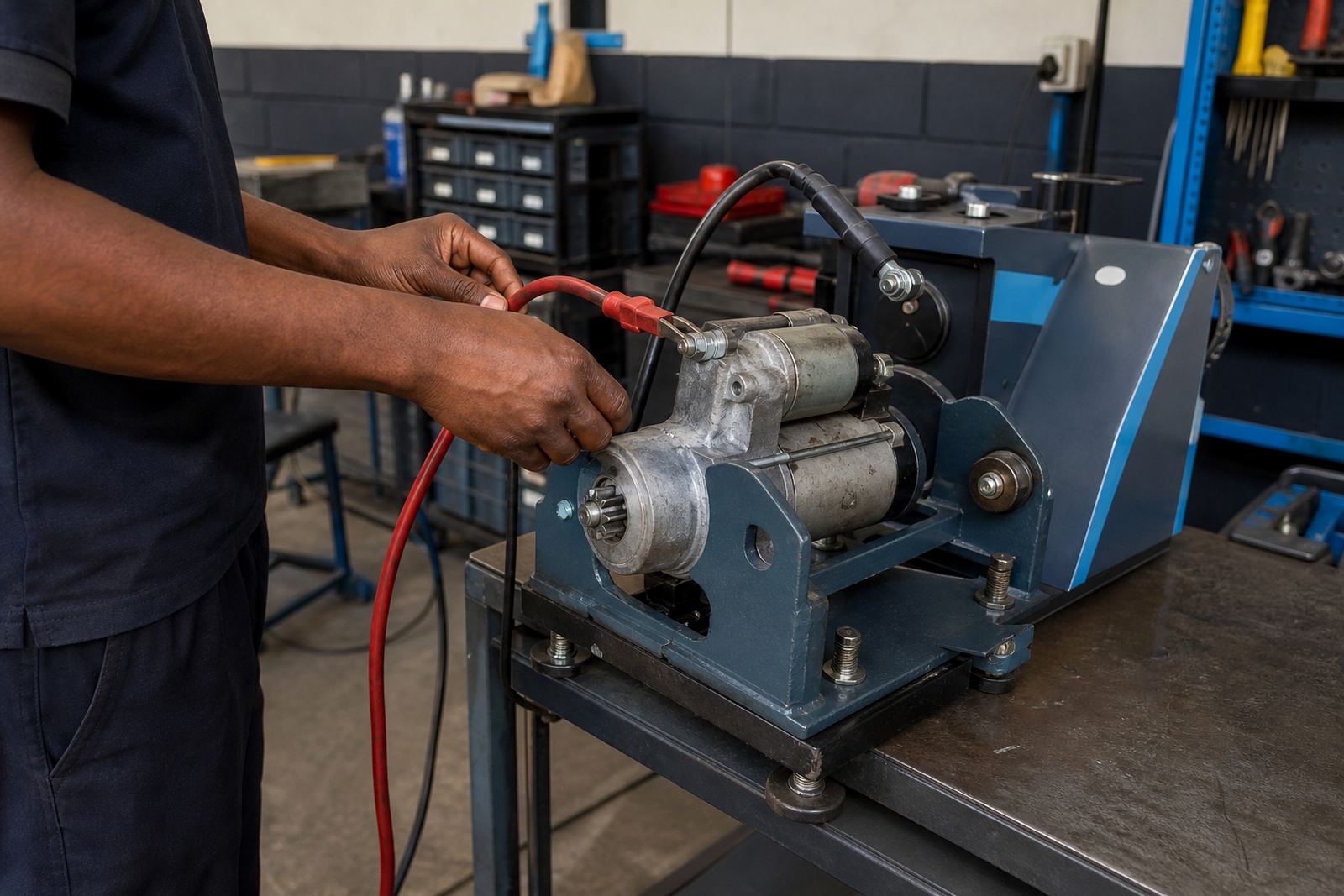
A starter bench test is a controlled off-vehicle check for the cranking motor, solenoid and drive movement. We clamp the unit in a test rig, apply battery power, and watch how it engages, how fast it turns, and how much current it pulls under load.
That matters when a vehicle has a no-crank fault, a click with no turn, slow cranking, or a starter that works cold but fails once heat builds up in the bay. On a crowded workshop floor, a bench test separates an electrical fault from a wiring issue, battery weakness or a tired engine earth that can mimic starter trouble.
- Checks solenoid pull-in and drive movement
- Measures free-run speed and loaded speed
- Reads current draw against expected behaviour
- Helps confirm if the unit is repairable
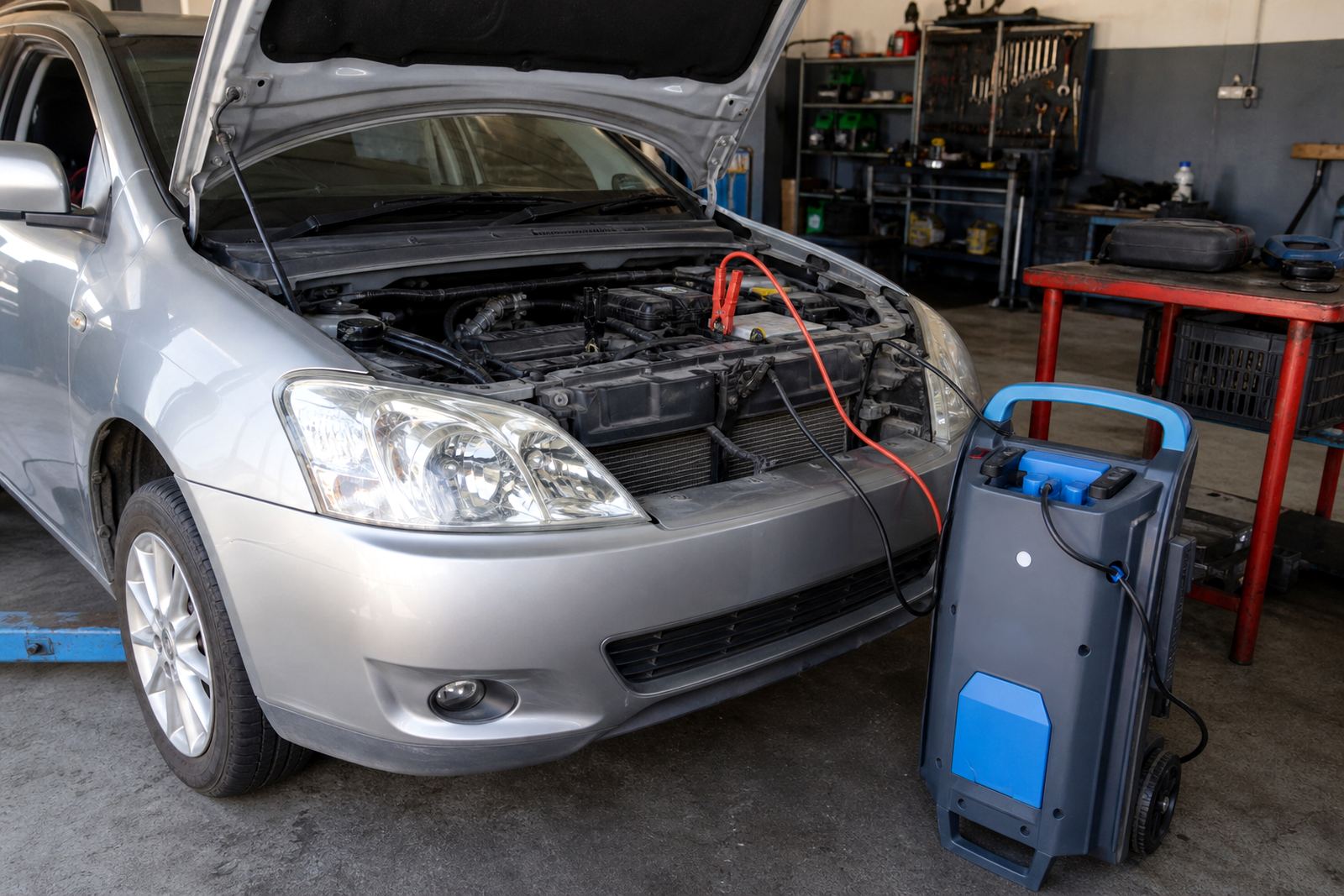
- Useful after repeated jump starts or poor battery history
Starter sizes, formats and the bits that change the result
Starters are not all the same shape or duty rating. Passenger cars, bakkies, vans, generators on light commercial rigs and fleet vehicles can use different housings, mounting ears, pinion counts and solenoid layouts. We check the unit as removed, then note the exact fitment details before any repair or replacement work is planned.
Some starters are straightforward direct-drive units, while others use reduction gearing for stronger crank torque in a smaller body. Diesel applications often place higher load on the starter, so current draw and engagement quality become even more important. Heat soak, oil seepage and loose terminals can also hide the real fault, especially on vehicles working in Cape Town traffic or on the road between Bellville and Paarl.
- 12V and 24V starter systems
- Direct-drive and geared starter formats
- Light passenger, bakkie and light commercial fitments
- Different pinion and nose housing patterns
- Solenoid type, terminal layout and mounting position
Where a bench test fits into workshop diagnostics
Bench testing sits neatly beside vehicle diagnostics, battery testing and charging system checks. We often begin with OBD fault codes, live data and basic voltage tests, then move to the starter once the complaint points to a cranking issue rather than a pure engine-management fault. That sequence saves time and avoids replacing parts that were never the real cause.
Removed starters from fleet bakkies, delivery vans and private vehicles can be tested after a towing job, a roadside no-start, or a workshop strip-down where the wiring and earth paths need closer attention. If the vehicle shows low cranking voltage, repeated fuse failures, or a starter circuit fault, the bench test gives a clean reading on the unit itself.
- Hard-start complaints with battery voltage still present
- Repeated clicks from the solenoid without crank
- Slow crank after alternator or battery work
- Suspected starter circuit or earth fault
- Intermittent failures that need a repeatable test
How the starter is fitted back after testing
Once a starter has been tested, the refit needs clean terminals, sound earths and the right mounting torque. A starter can fail on the bench because of worn brushes, sticky solenoid contacts or a tired armature, but it can also be made to look bad by poor cables and corroded lugs on the vehicle side.
When the unit goes back into service, the battery connections, engine ground straps and starter feed must all be in order. On vehicles with CAN bus control, the starter circuit still depends on clean power delivery and correct signal paths between the battery, ignition switch, control modules and relay points. If that path is weak, the new test result can be misleading.
- Clean battery terminals and tight lugs
- Sound earth strap from engine to body
- Correct mounting bolts and alignment
- Starter feed cable with no heat damage
- Relay, fuse and trigger wire checked in circuit
Keeping a starter healthy after the test
Starters live a hard life in stop-start Cape Town traffic, dusty bays and humid coastal air. Heat, oil leaks and weak batteries shorten their working life, so the best care is practical and routine. A starter that labours for months will often show its wear in the same way each time, with slower engagement or rising current draw.
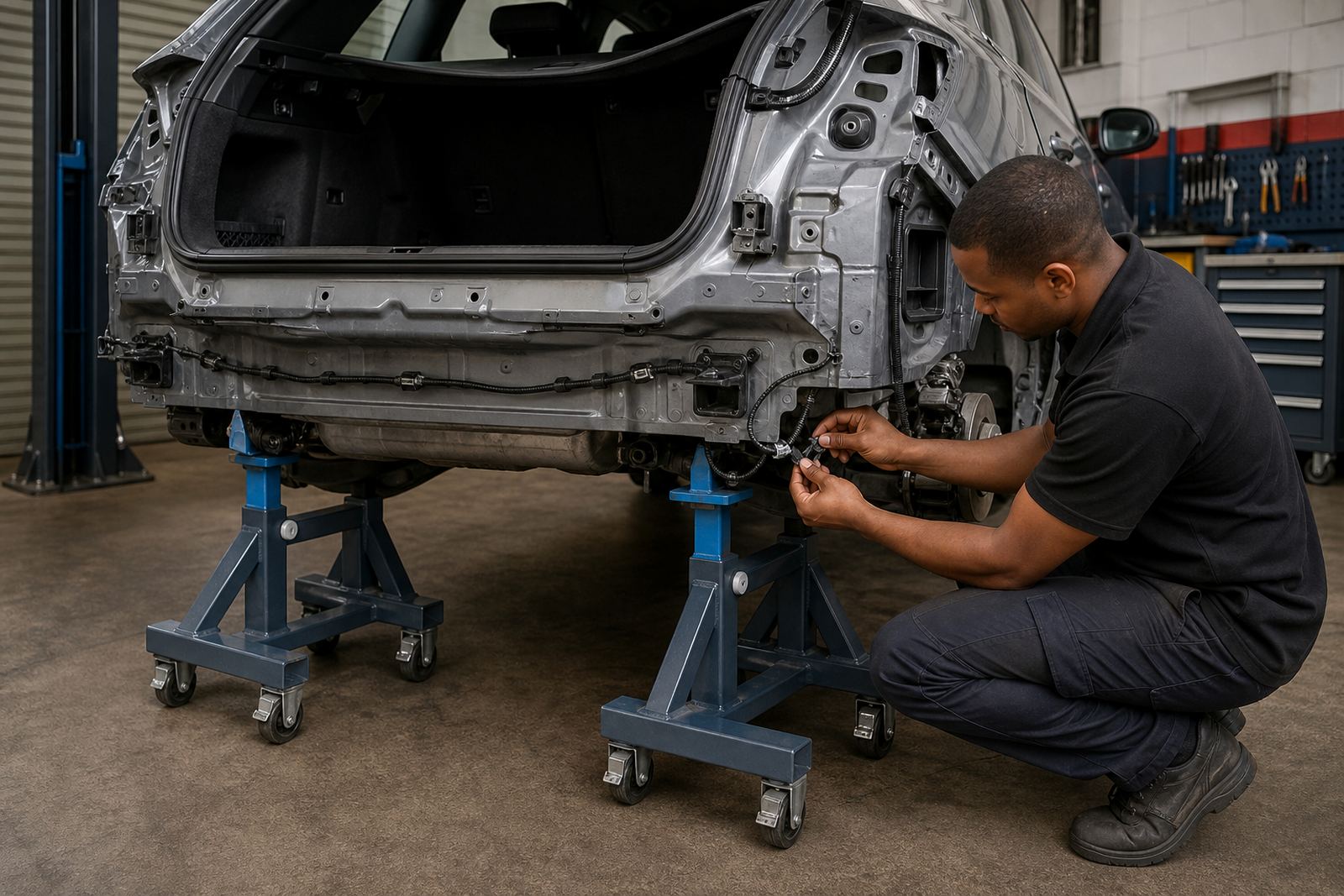
Fleet vehicles benefit from regular battery and charging checks, plus quick attention to loose terminals and wiring rub-through near the bell housing or undertray. On private vehicles, long periods of standing can allow corrosion to build in the same places. A clean electrical system gives the starter an easier job and reduces repeat failures.
- Keep battery clamps clean and tight
- Repair oil leaks near the starter body
- Check engine earth straps at service time
- Inspect loom routing where heat and vibration meet
- Test charging output before repeated starter failures
What to confirm before the starter arrives at our workshop
For a bench test, the starter must be removed and presented with enough detail to match it to the correct vehicle application. We need the part as it came off the car or bakkie, not a loose unit with no context. A clear starter ID prevents mix-ups between similar housings that differ only in nose length, gear count or terminal layout.
When sending a unit from Montague Gardens, Milnerton, Bellville, Somerset West, Paarl or another Western Cape area, confirm the vehicle make, model, engine size, fuel type and year range. Also note whether it is a 12V or 24V system, whether the complaint is no-crank or slow crank, and whether there were earlier battery, alternator or wiring repairs.
- Vehicle make, model and engine size
- 12V or 24V electrical system
- Complaint history, including click, no-crank or slow crank
- Whether the starter was removed complete with solenoid
- Any recent battery, alternator or wiring work
Key facts
| Test type | Removed starter bench test off the vehicle |
|---|---|
| Checks included | Engagement, spin speed, current draw and solenoid action |
| Electrical systems | 12V and 24V starter units |
| Common fitments | Passenger cars, bakkies, panel vans and light commercial fleets |
| Related diagnostics | Battery, alternator, starter circuit and earth checks |
| Workshop base | Montague Gardens, Cape Town with Western Cape call-outs |