What a fitted dash camera actually adds
A dash camera records the road ahead, and in some setups the cabin or rear view as well. In a vehicle that spends time in traffic, on site visits or on long Western Cape routes, that recording can help with incident records, driver reviews and general day to day monitoring. The unit is small, but the wiring and power supply need proper attention if you want a clean result.
We fit dash cameras into light vehicles, panel vans, bakkies and fleet vehicles. The camera body is mounted where it has a clear field of view, then the cable is routed through trim so it does not hang across the windscreen or snag at the mirror. Power is taken from a suitable protected source, with the right fuse protection and a stable earth point where required.
- Front facing cameras for road recording
- Dual channel units with front and rear coverage
- Parking mode setups for static monitoring
- Fleet installations with neater cable routing
Camera sizes, channels and recording options
Dash cams come in compact single lens units, dual channel sets and systems with screen control or app pairing. Some have built in GPS logging, loop recording, motion sensing and impact detection. Others are plain recording units with a small display and simple buttons. The right choice depends on how the vehicle is used and how much footage detail the driver or fleet manager needs.
Compact cameras suit everyday private vehicles where a low profile fit is preferred. Dual channel systems suit taxis, service vehicles and fleet units that need rear coverage or extra context at the back of the vehicle. We also see requests for hardwired kits with parking mode, which keep the camera available when the ignition is off and the vehicle is parked in busy streets or shared yards.
- Single channel, front only units
- Dual channel front and rear recording
- Screen or screenless body styles
- Hardwired kits with parking mode support
Where the camera sits and how the cable is hidden
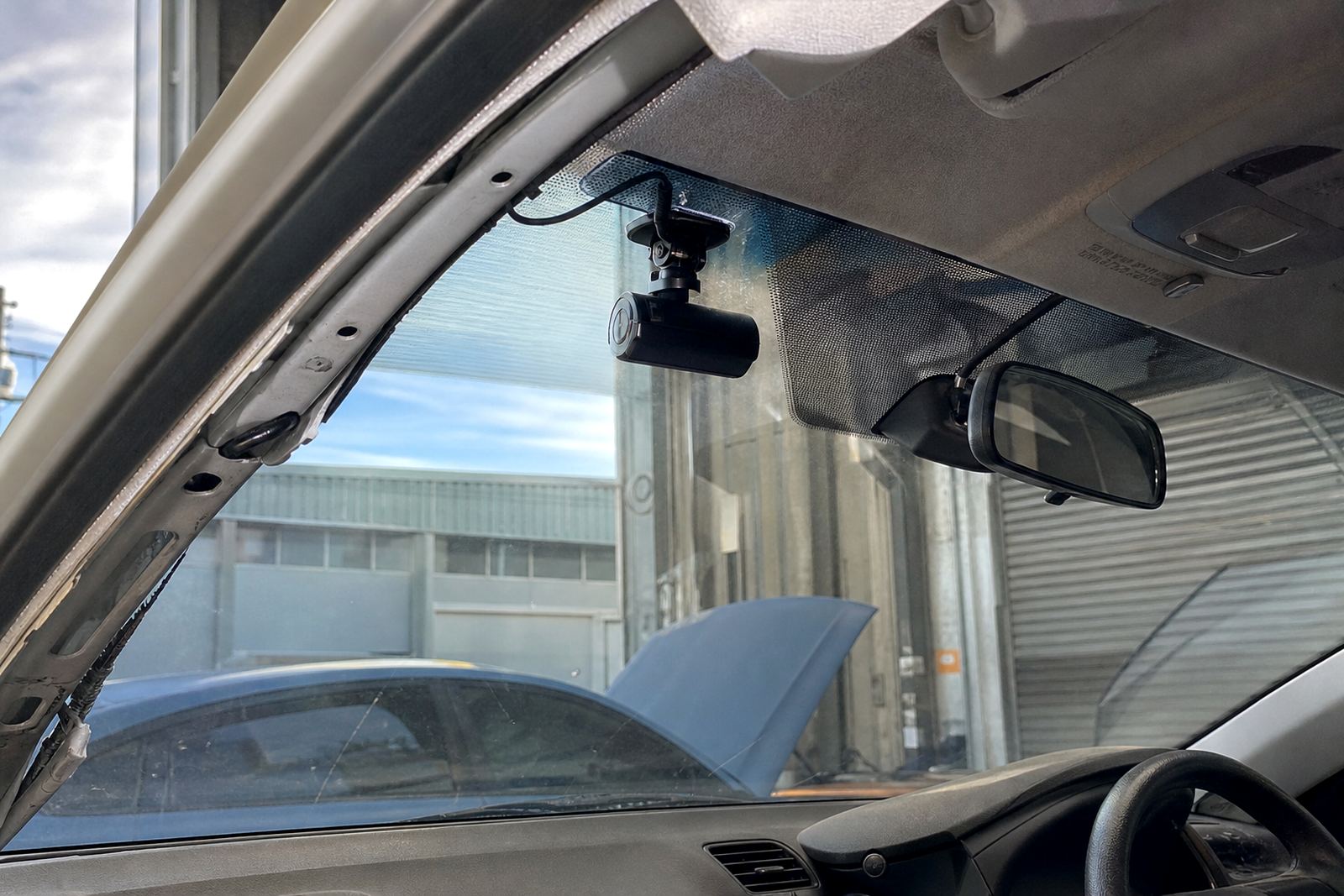
A proper fit starts with the mount position. The lens must sit high enough to cover the road, but not so high that it cuts into the mirror area or interferes with the driver. We keep the camera fixed to a clean section of the windscreen and route the cable behind trim panels, down the A pillar and toward the fuse box or another suitable supply point.
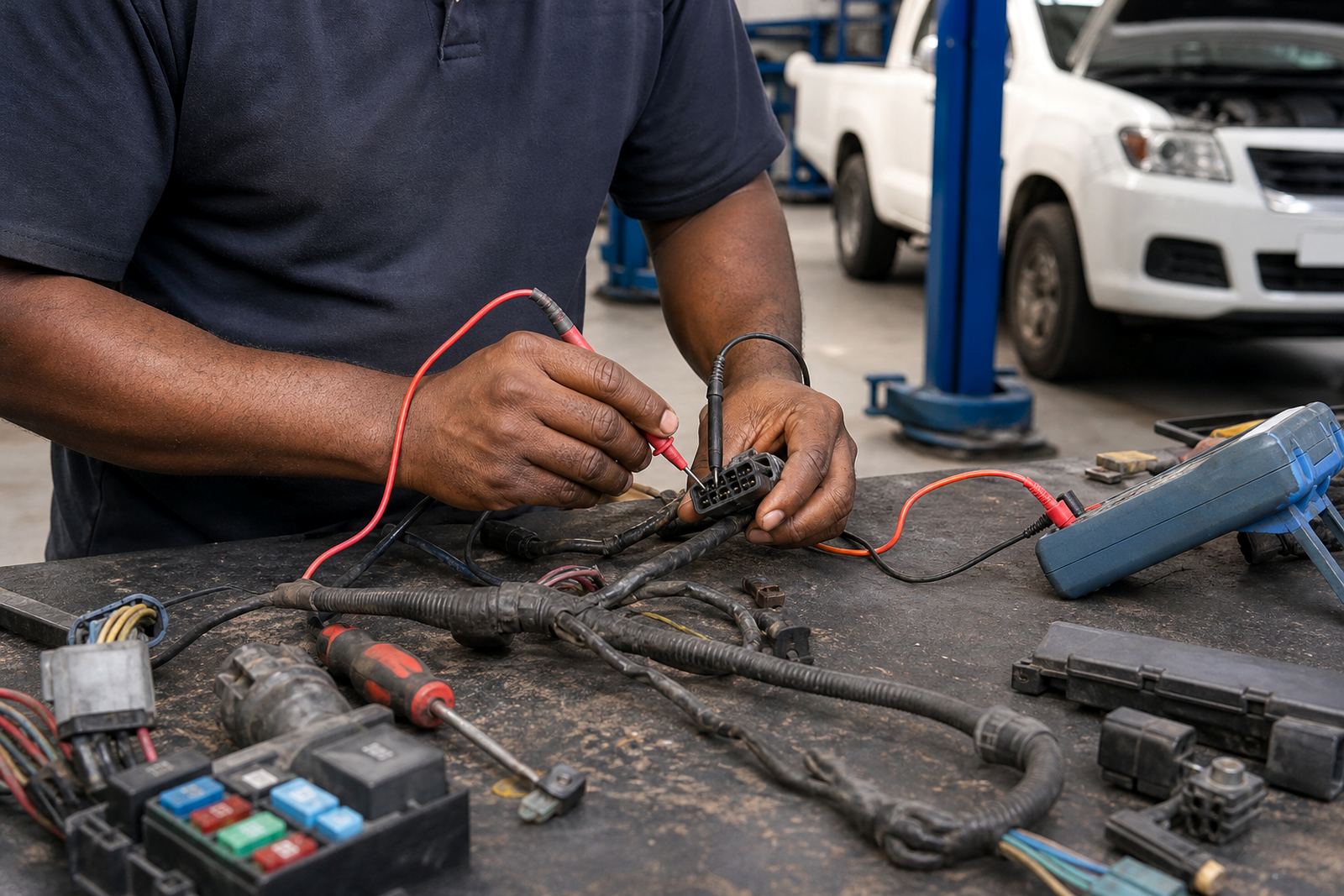
That approach matters in Cape Town humidity and coastal air, where loose connections and poor joins can give trouble over time. Protected supply connections, neat crimping and correct fuse selection make a real difference to long term reliability. On vehicles with CAN bus systems, we take care with the source point and check that the install does not disturb other electrical circuits.
- Hidden cabling behind trim and panels
- Fuse protected power take off where suitable
- Stable earth and clean cable termination
- Fitment arranged around the vehicle interior layout
Fleet, private vehicles and work vehicles on the move
Dash cameras suit private cars, delivery units, trades vehicles and mixed fleets. A private owner may want incident coverage on the daily run between Montague Gardens, Bellville and the northern suburbs. A fleet operator may need cameras across several vehicles, with a common fitting standard so each vehicle is wired the same way and checked in the same manner.
We also fit cameras where the vehicle carries tools, samples or shift staff, and where recorded footage helps with route control or parking disputes. In vehicles that already have accessory wiring, we inspect what is in place before adding a new unit. That avoids crossed feeds, weak earths and awkward cable runs that make the cabin untidy.
- Private cars and SUVs
- Fleet bakkies and service vans
- Delivery vehicles and site units
- Vehicles with existing accessory wiring
Installation checks before the camera goes live
Before handover, we check that the camera powers up properly, records in the expected mode and holds its settings after the vehicle is switched off and back on. If the camera has parking mode, motion sensing or impact trigger settings, those are set to suit the vehicle and the way it is parked. We also inspect the mount for vibration, since a lens that shakes at idle gives poor footage on rough roads.
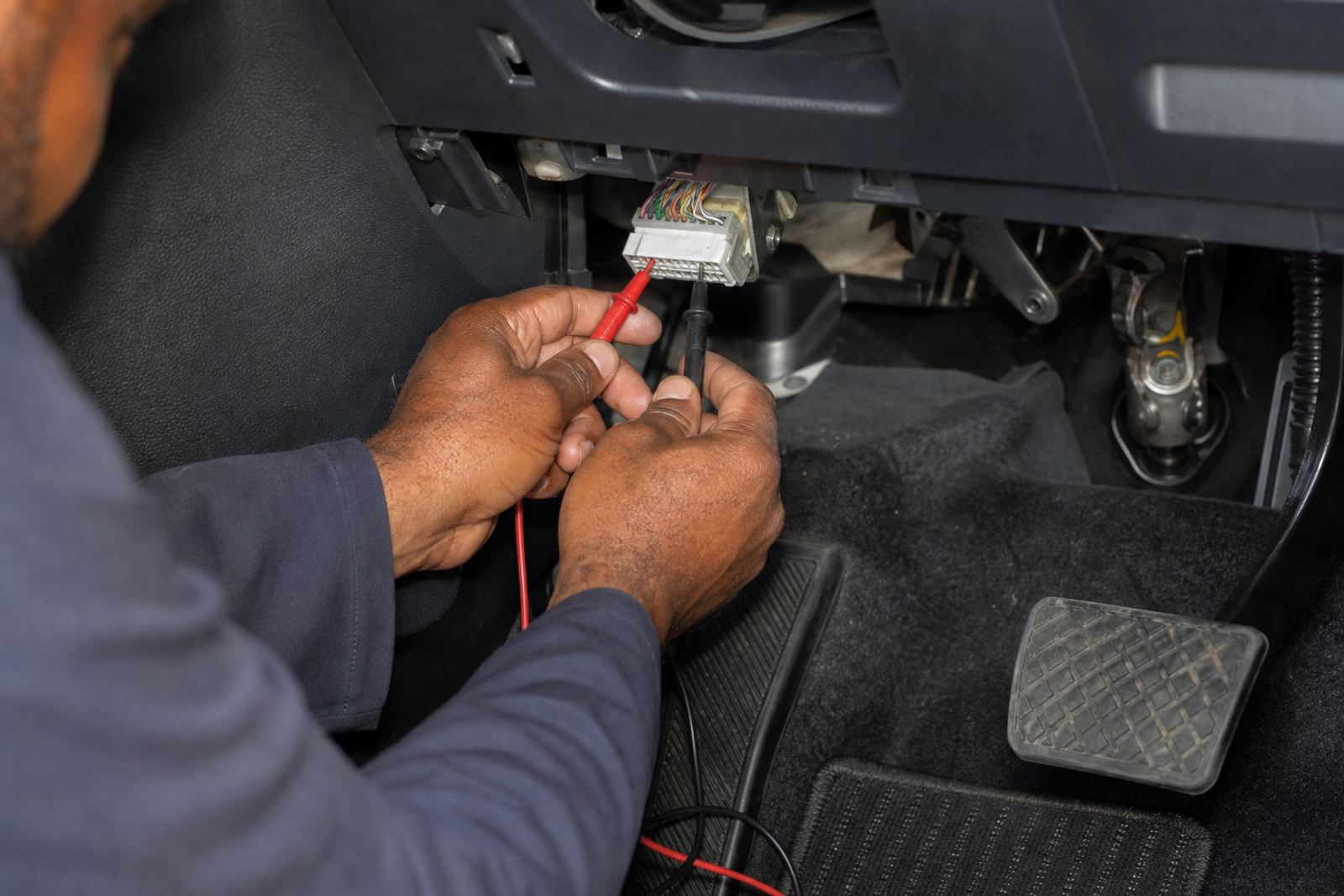
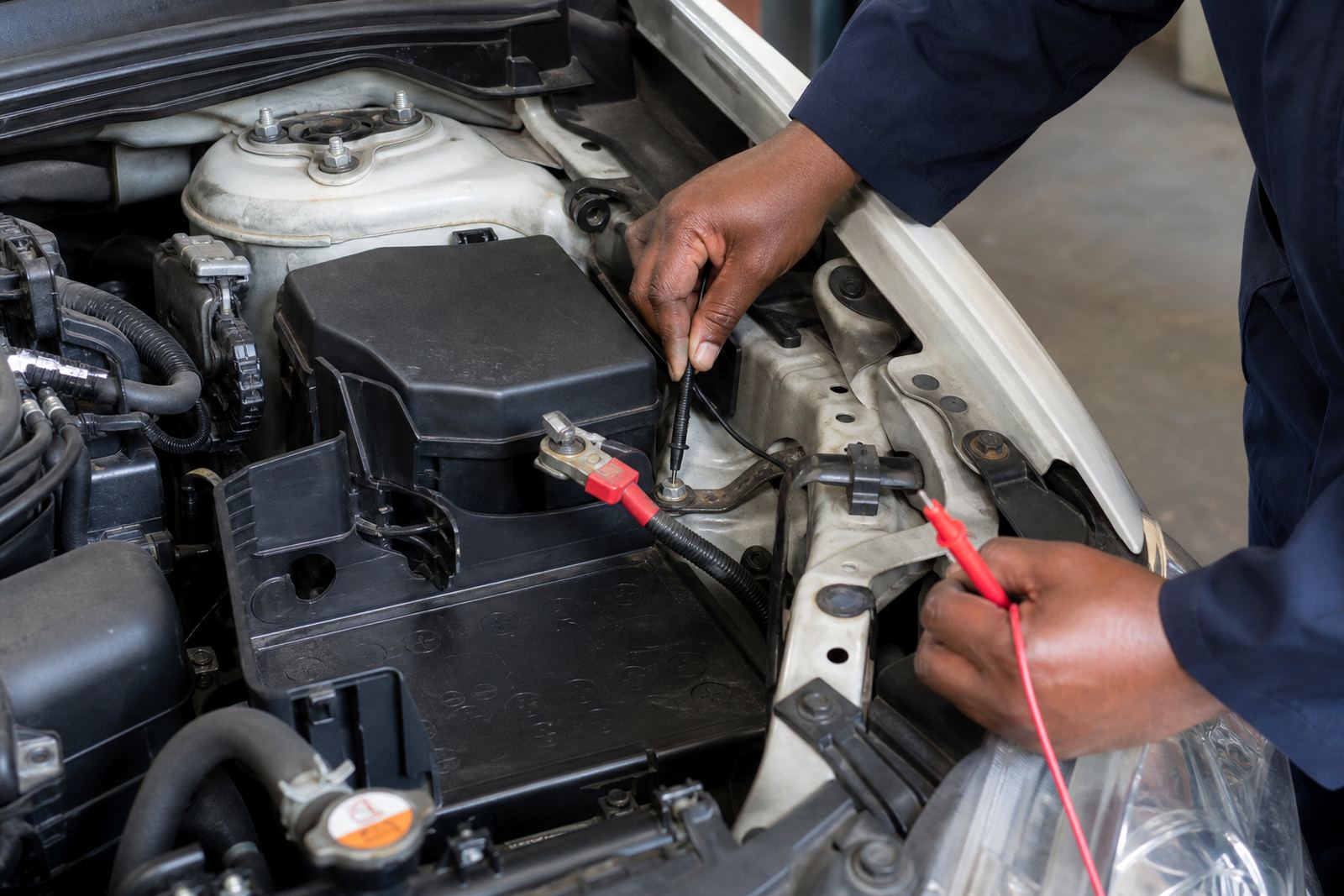
Where needed, we test the battery and charging system first. A weak battery or charging fault can cause false power loss messages or storage issues. If the vehicle has an existing starter or alternator concern, that gets sorted before the new accessory is tied in. A dash cam should sit within a healthy electrical system, not try to work around one that is already struggling.
- Power on and storage check
- Parking mode and trigger settings
- Mount stability and lens angle
- Battery and charging checks when needed
Keeping the unit tidy after fitment
Once installed, dash cameras need very little attention, but they do appreciate a proper check now and then. Wipe the lens with a soft clean cloth, keep the memory card in good condition and make sure the camera housing has not been pulled loose by sun heat or cab movement. In summer, parked vehicles in Cape Town can get hot quickly, so a firm mount and neat cable path help the unit stay put.
If the vehicle is washed often, check that the camera has not been turned by a cloth or bumped by a hand on the mirror area. If you notice missing clips, loose trim or a charger lead hanging down, bring the vehicle in for a proper look. We can resecure the cable, check the supply point and sort any related electrical fault at the same time.
- Clean the lens with a soft cloth
- Check the memory card condition
- Inspect trim clips and cable routing
- Look for heat related loosening after long parking
Key facts
| Product type | Dashcam fitment for private vehicles and fleets |
|---|---|
| Mounting style | Concealed wiring with windscreen or mirror area placement |
| Power supply | Protected hardwired feed or suitable accessory circuit |
| Camera options | Front only or front and rear dual channel units |
| Typical features | Loop recording, parking mode, motion sensing and impact detection |
| Service area | Montague Gardens, Cape Town and Western Cape call-outs |