
What our no start diagnosis covers in practice
This service is for petrol and diesel vehicles that turn over, click, spin slowly, or sit dead while the dash wakes up and the engine stays quiet. We check the starting system as a chain, from battery condition through to starter trigger, engine earths, relays, fuses, immobiliser signals and the control inputs the vehicle needs before it will fire.
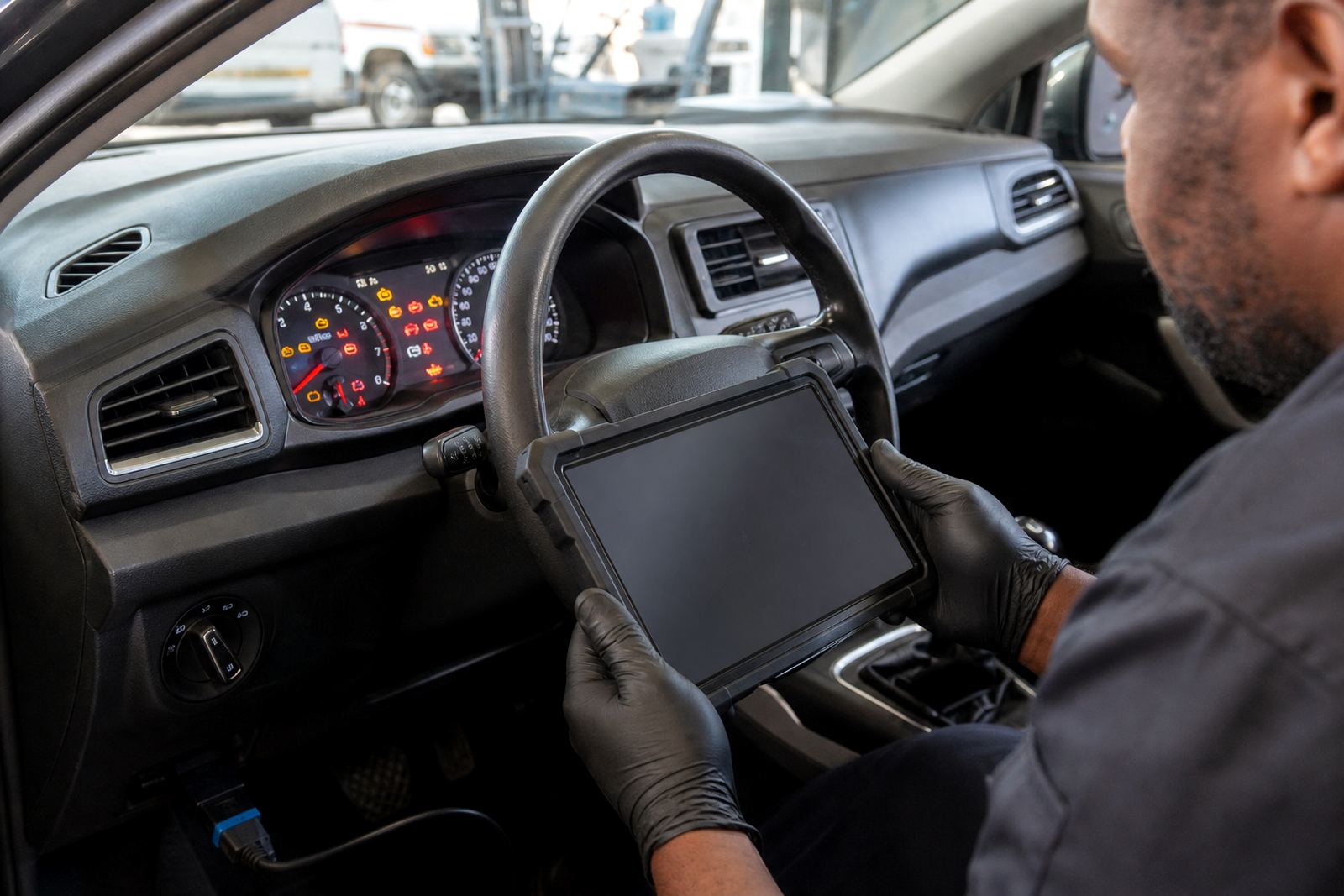
Fault finding on a no start complaint is not a parts swap exercise. It is a measured test sequence that can include OBD fault code reading, live data review, cranking voltage checks, battery load testing, parasitic drain checks and voltage drop testing across suspect cables and joints.
- Crank no start and no crank no start faults
- Battery, starter and alternator related diagnosis
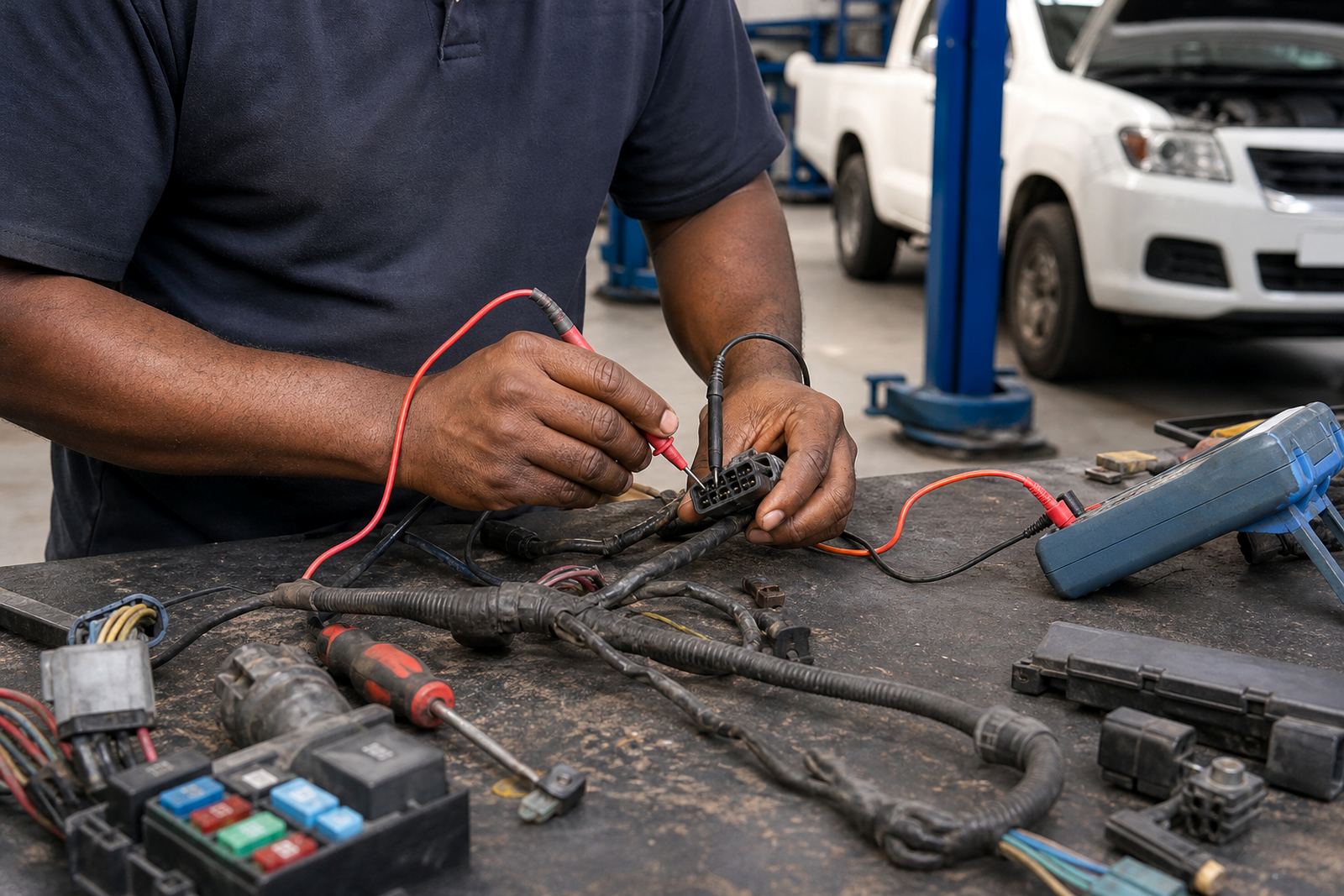
- Wiring damage, loose terminals and poor earth paths
- Control side checks for relays, sensors and ECU permissions
Testing methods we use on the vehicle
The work starts with the symptom, not with a guess. If the engine cranks, we look at whether fuel delivery, spark, injector pulse or engine speed signals are missing. If it does not crank, we move into starter circuit testing, battery state, main feeds, ignition switch output and the neutral or clutch interlock where fitted.
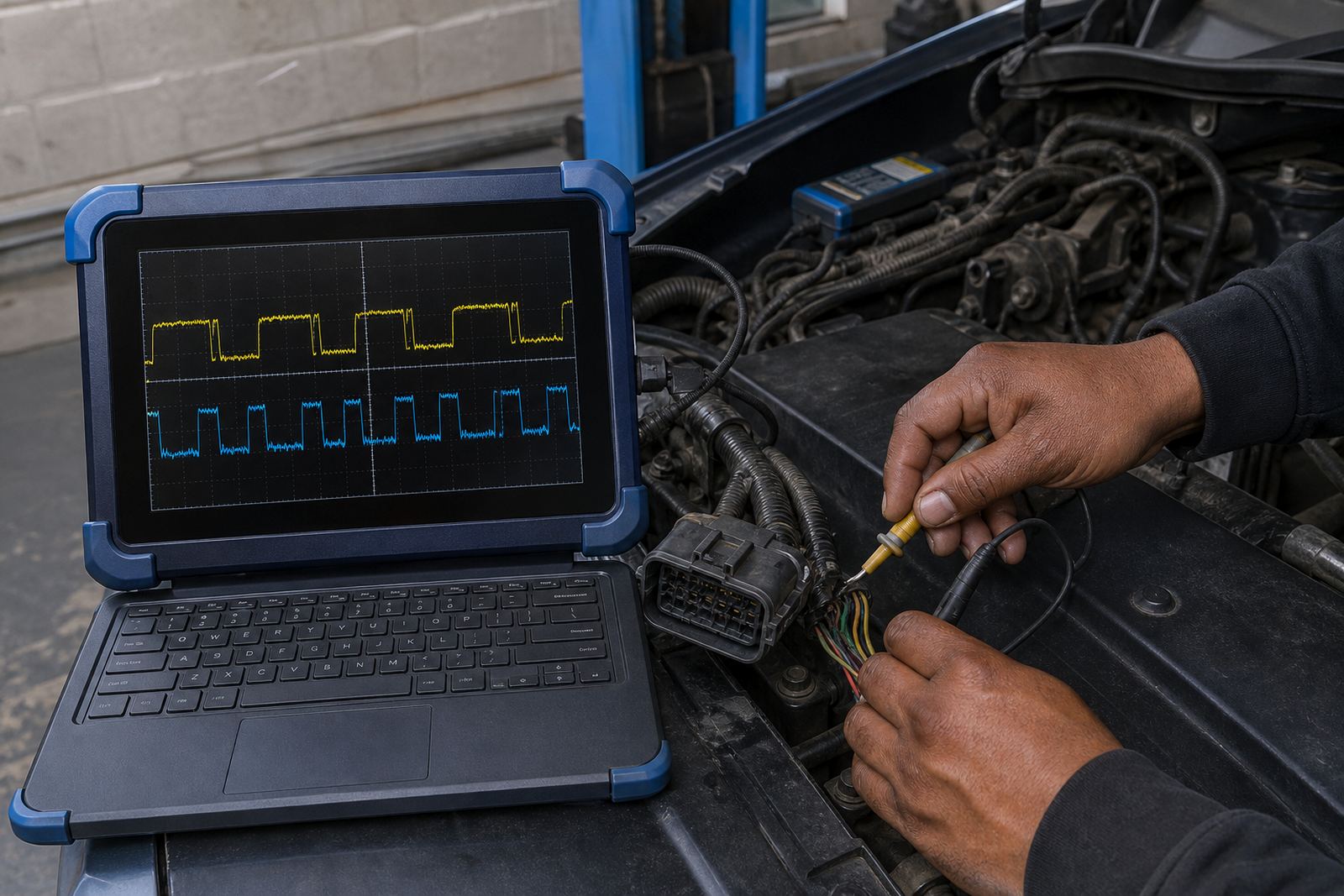
Our diagnostics can include live data from the engine management system, charging voltage checks after start, and CAN bus basic checks where network faults are stopping modules from talking to each other. On modern vehicles, a single broken wire or weak earth can stop several systems at once and that is common after jump starts, moisture ingress or poor accessory wiring.
- OBD fault code reading and code interpretation
- Live data review during cranking
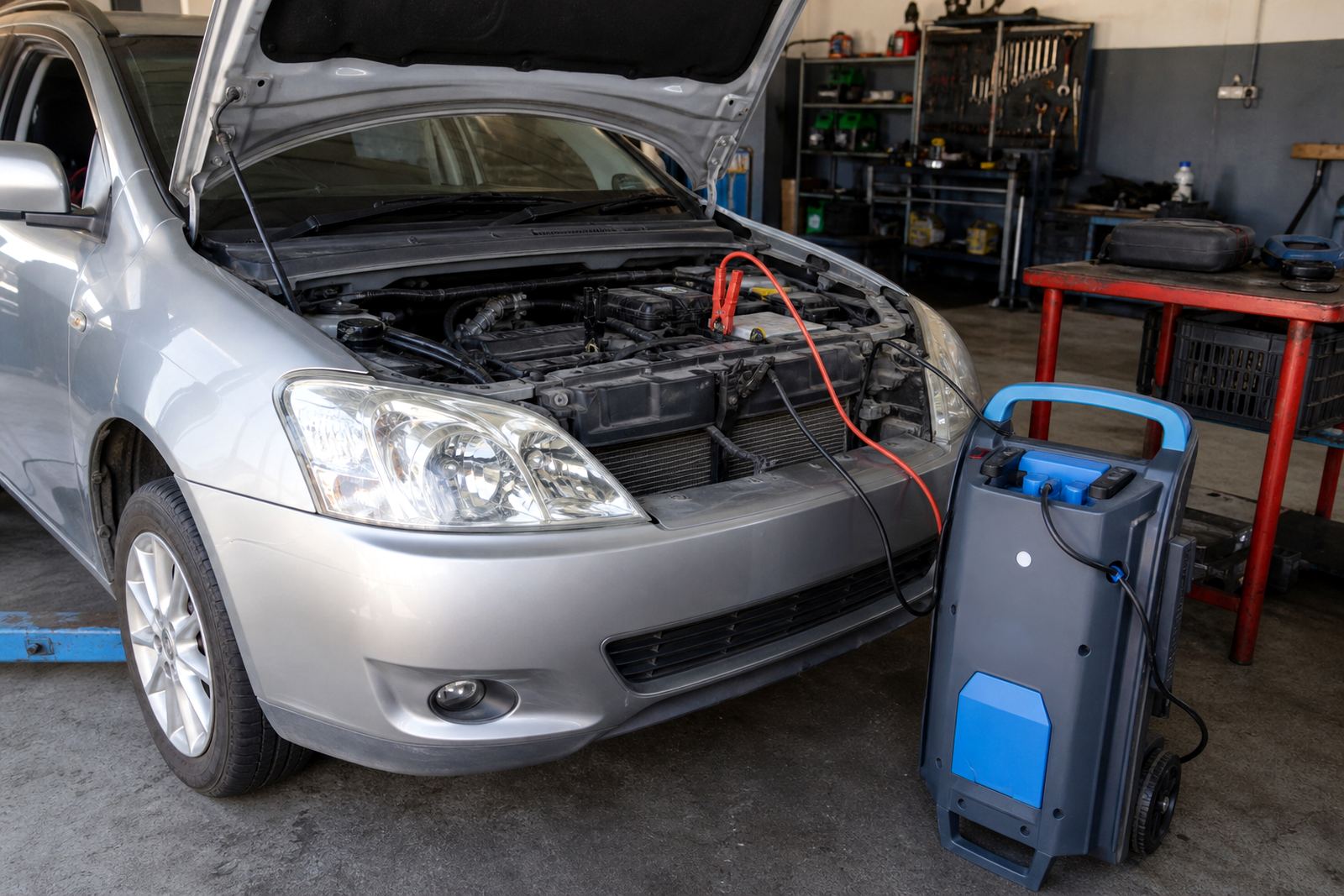
- Battery load and charging system tests
- Voltage drop testing on positive and negative paths
- CAN bus basic fault checks where communication issues are suspected
Where this service suits the vehicles we see
No start diagnosis suits private cars, panel vans, fleet vehicles, light commercial units and work bakkies that have become unreliable or completely silent when the key is turned. It also suits vehicles that start only after a boost, cut out after a drive, or keep flattening a battery overnight.
Montague Gardens gives us easy access to jobs across Cape Town's industrial and residential routes, while our mobile call-outs help fleets and private owners in Milnerton, Bellville, Somerset West, Paarl, Brackenfell and Durbanville. In coastal areas, corrosion around terminals and connectors is a regular issue, and in older vehicles we often find cracked insulation, tired starter cables or water in fuse box junctions.
- Daily drivers with intermittent starting faults
- Fleet vehicles that must be traced to a repeat cause
- Vehicles with new batteries but the same no start fault
- Units with alarm, tracker or accessory wiring added later
Fitment and workshop access for diagnosis work
Some no start faults need the vehicle in our workshop so we can access the starter, charging circuit, fuse box, earth points and harness routing properly. Other cases can be checked on site if the vehicle is parked safely and the fault is suitable for a mobile diagnostic visit.
For fleets, we often work from a sequence of vehicles and log what has already been tested. That keeps repeat faults from being diagnosed twice and helps separate a failed component from a wiring issue that was missed the first time. Where a starter, alternator, relay, fuse or damaged cable is found, we can repair the fault in the same workflow instead of leaving a half checked vehicle behind.
- Workshop diagnosis for deeper electrical strip-downs
- Mobile checks for parked fleet and private vehicles
- Starter, alternator and battery circuit repair support
- Accessory or tracker wiring review if added equipment is involved
Care after the fault has been found
Once the issue is fixed, the vehicle should be watched for repeat symptoms such as slow cranking, dim lights, warning lamps or a battery that keeps dropping overnight. If the repair involved corrosion or heat damage, the terminals and cable ends need clean, tight connections and proper protection against moisture.
Vehicles that see short trips, heavy stop-start use or constant accessory loads need more attention than a weekend car. A loose earth or a tired alternator can hide for a while then show up again under load, so it helps to keep a record of what was tested and what was replaced.
- Keep battery terminals clean and tight
- Check for fresh corrosion after wet weather or washdowns
- Watch for repeated flat battery complaints
- Inspect added accessories if the fault returns
Order details that help us prepare the test
When arranging a no start diagnosis, it helps to note whether the engine cranks, clicks, turns slowly or stays completely dead. Tell us if the fault is constant or comes and goes, whether the battery has been replaced recently, and whether any alarm, tracker or other accessory wiring was fitted before the fault appeared.
For fleet jobs, include the vehicle make, model, engine type, location, and whether the unit is at a depot, yard or roadside. If the vehicle has already had jump starts, battery swaps or starter work, that history matters because it narrows the fault path and avoids chasing the same circuit twice.
- Vehicle make, model and engine type
- Exact symptom: crank, click, slow crank or no crank
- Any recent battery, starter or alternator work
- Tracker, alarm or accessory fitment history
- Workshop visit or mobile call-out location
Key facts
| Service type | No start diagnosis for cranking and starting faults |
|---|---|
| Diagnostics included | OBD fault codes, live data, voltage drop tests, battery and charging checks |
| Common fault areas | Starter circuit, battery supply, earth faults, relays, fuses, wiring and CAN communication basics |
| Vehicle types | We handle passenger cars, bakkies, light commercial vehicles and fleet vehicles |
| Access options | Workshop diagnosis in Montague Gardens or mobile call-outs across Cape Town and surrounding areas |
| Related repairs | Starter repairs, alternator repairs, charging system repairs, wiring repairs and fuse box repairs |