
What the test checks on a real vehicle
A sensor signal test is used when a fault code points to an input problem, or when the engine, gearbox or body system is behaving oddly but the part itself may not be the real cause. We measure how the signal changes while the vehicle is idling, cranking, revving, moving or under load, then compare that reading with what the control unit expects.
The test can be used on crank sensors, cam sensors, throttle position inputs, airflow signals, wheel speed sensors, temperature senders, pedal position signals and pressure-related inputs. It also helps with CAN bus related faults where a message is missing, distorted or interrupted by wiring damage, poor earth points or corrosion. On some vehicles the fault sits in the circuit rather than the sensor, so a quick parts swap is not the right path.
- Checks voltage supply, earth quality and signal return
- Reads live data values while the vehicle is operating
- Looks for dropouts, flat lines, spikes and noise in the signal
- Helps separate a bad sensor from a wiring or control issue
Signal types we measure and compare
Different sensors speak in different ways. Some send a simple voltage that rises and falls, while others create a pulsed square wave or an analogue reading that changes with heat, movement or pressure. A good test looks at the pattern, not only the number on the screen. That matters on newer vehicles with tighter electrical tolerances and on older vehicles where wiring repairs may have been done before.
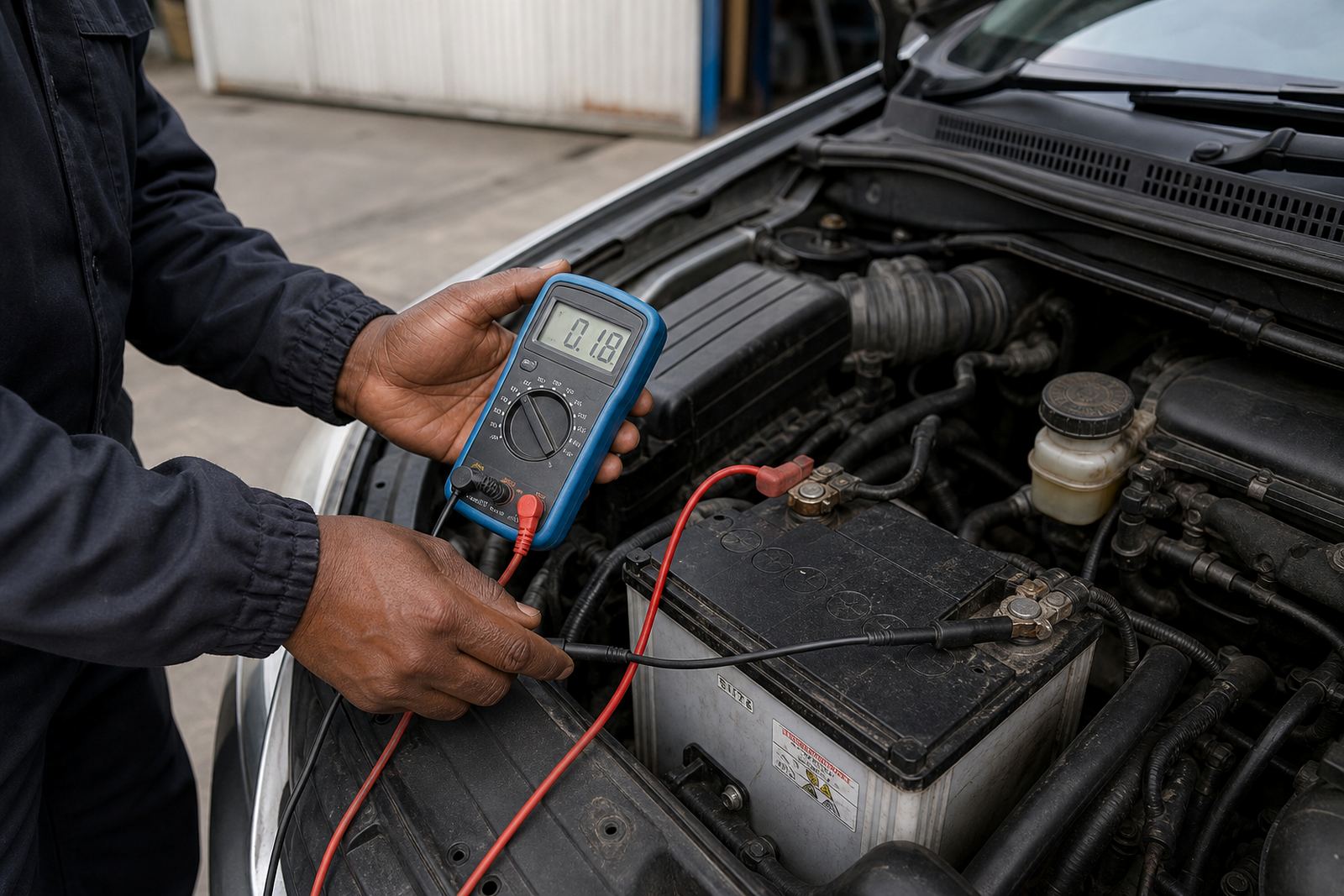
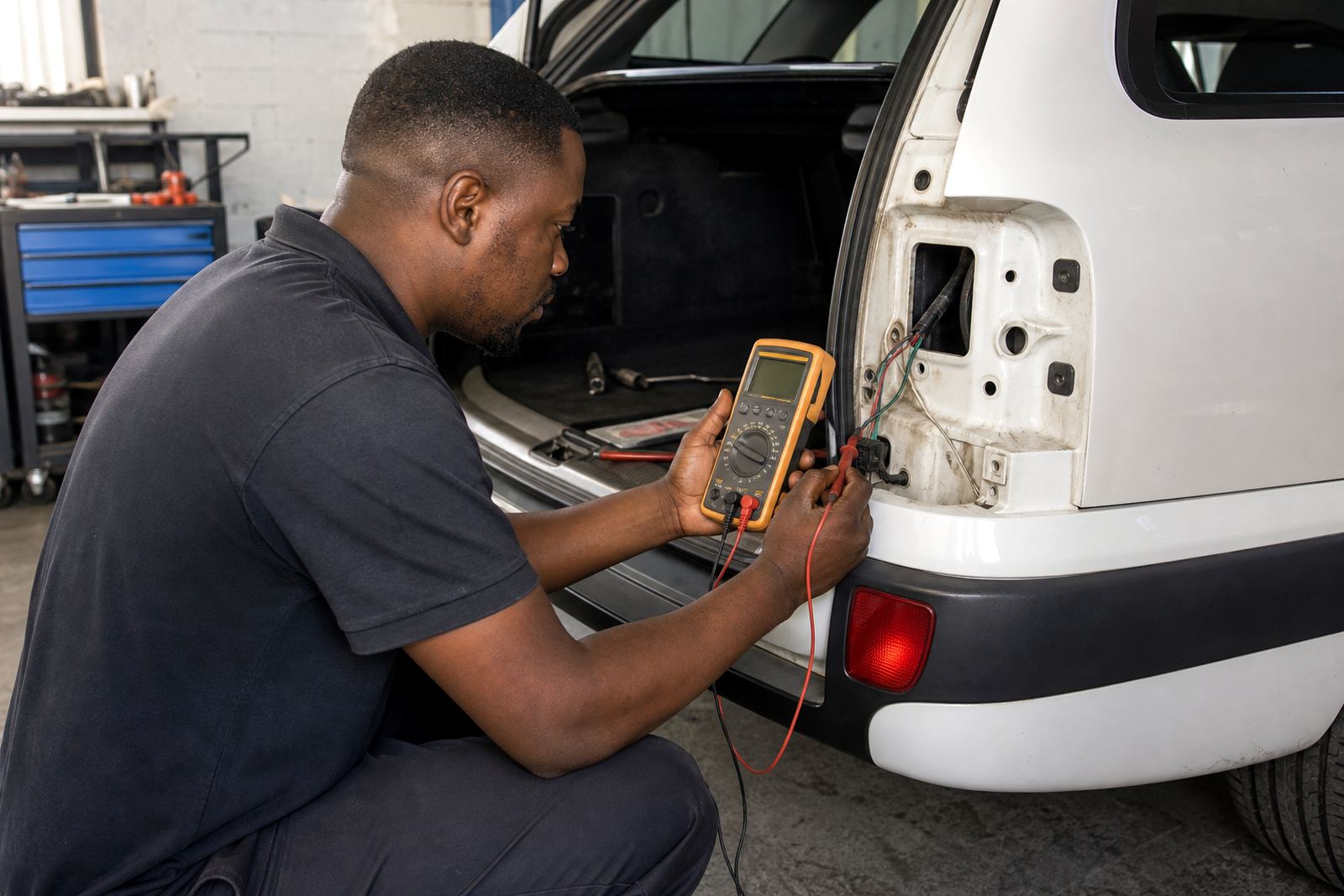
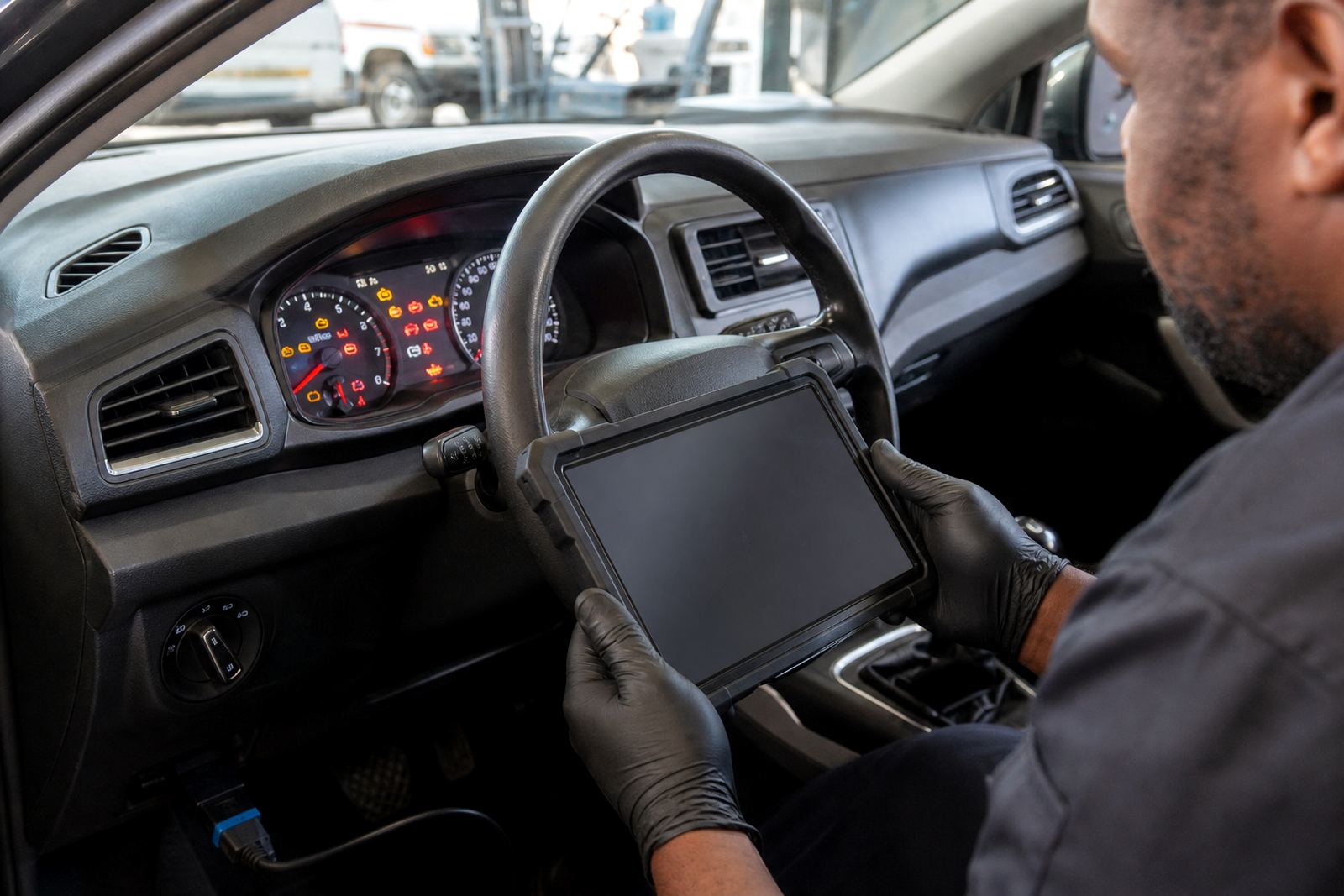
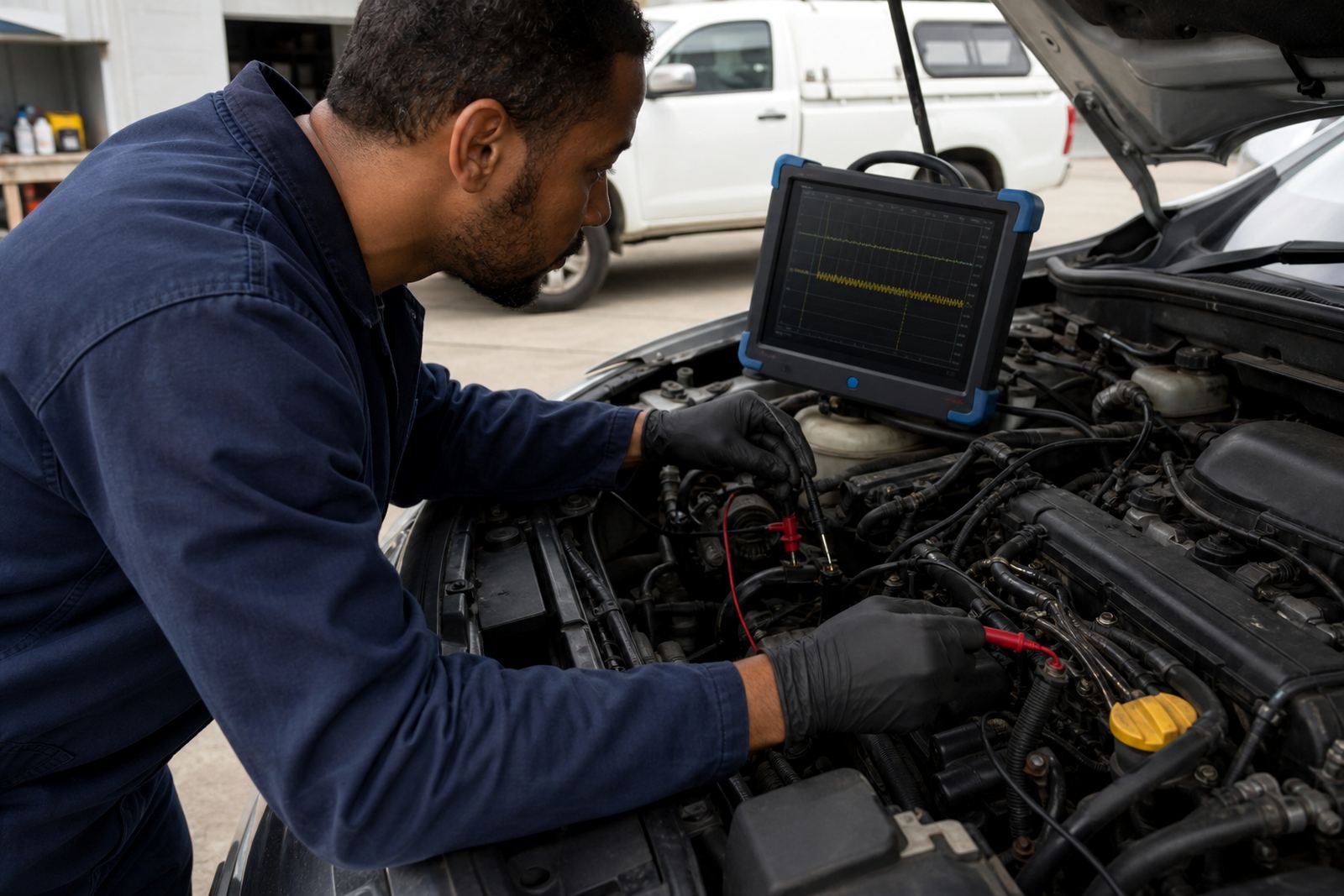
We use scan tool live data where the system reports it, then back-probe the circuit with a multimeter or scope where the fault needs a closer look. For intermittent faults, we may carry out a wiggle test, load test or voltage drop check at the same time. That helps with faults that only appear over bumps, in wet weather or when the vehicle has been driven for a while.
- 5 V reference circuits
- 12 V switched supply and earth checks
- Analogue sensor readings
- Digital and pulse type signals
- Waveform checks for erratic output
Where this service suits best
This service suits fleet bakkies, delivery vehicles, panel vans, private cars and light commercial vehicles that show warning lights, rough running, poor fuel use, limp mode or stalling. It also helps when a replacement part has already been fitted but the fault remains. In coastal areas like Cape Town, Milnerton and Somerset West, moisture and corrosion can work into connectors and earth points, so the same fault may show up on more than one circuit.
We often use the test alongside battery and charging checks, starter circuit checks, parasitic drain tracing and wiring repairs. When a sensor signal is weak because the supply voltage is low, the true fault may sit in the charging system or a damaged feed. On a fleet vehicle, that kind of diagnosis prevents repeat downtime and unnecessary parts changes.
- Engine management faults and warning lights
- Transmission input signals and shift complaints
- ABS, traction and stability related inputs
- Idle instability, stalling and hard starting
- Intermittent faults in wet or humid conditions
How the workshop fitting and testing process works
Some sensor tests are carried out from the exterior of the circuit, while others need access to plugs, looms or modules inside the vehicle. We may remove trim, lift covers, inspect connector pins and trace wiring back to the source. If a sensor has to be removed for bench checking or replacement, the fit must match the mounting point, thread type, connector shape and signal range used on that vehicle.
On mobile call-outs, we can do many checks at the vehicle where it stands, which is useful for fleet yards, depots and private owners who cannot move a car that is already running badly. For a cleaner result, we often ask for access to the battery, fuse box, ECU area and the relevant connector points. If the circuit is affected by aftermarket accessories or tracker wiring, that gets checked as well because an old splice can disturb a clean signal.
- Diagnostic scan and fault code reading
- Live data review under operating conditions
- Pin and connector inspection where needed
- Wiring repair or sensor replacement if required
- Final verification after repair or adjustment
Care, handling and common causes of repeat faults
A sensor signal can be damaged by water ingress, heat soak, oil contamination, rodent damage, loose connectors, corroded pins or a loom that has rubbed through on a bracket. On bakkies and work vans, trailer wiring and accessory rewiring can also introduce false readings if the earth path is poor or the harness has been tapped into badly. We see that often enough around fleet vehicles that have had several add-ons over time.
After the test, it helps to keep connectors dry and clipped in place, avoid spraying harsh cleaners directly into plugs and secure any harness that may move against bodywork. If the vehicle works in dusty yards, coastal rain or on corrugated roads, the loom should be checked after a repair for strain points and clip positions. A sensor can test fine on the day but fail later if the connector is left half-seated.
- Keep connector seals intact
- Secure wiring away from sharp edges and heat
- Inspect earth points during regular servicing
- Check for water marks inside plugs after heavy rain
- Recheck the same circuit if symptoms return after a repair
Details to send before we test the circuit
To set up the right test plan, send the vehicle make, model, year, engine type and the exact warning light or symptom you are seeing. If a scan has already been done, the fault codes and freeze-frame details are useful. Mention whether the issue happens cold, hot, at idle, over bumps or only after the vehicle has been driven for a while.
It also helps to note any recent work on the vehicle, such as battery replacement, alternator repair, starter work, trailer wiring, tracker fitting or dashboard removal. Those details can point us to a connector, earth strap or interrupted feed before testing starts. If the vehicle is part of a fleet, include whether it is based in Montague Gardens, Bellville, Brackenfell, Durbanville, Paarl or another Western Cape area so we can plan workshop or call-out handling.
- Vehicle details and engine code if known
- Fault codes or warning light message
- When the fault appears and how often
- Recent repairs, accessories or wiring changes
- Whether workshop testing or mobile call-out is needed
Key facts
| Service type | Vehicle diagnostics and auto electrical testing |
|---|---|
| Test focus | Sensor voltage, signal pattern and live data |
| Common circuits | 5 V reference, earth, pulse and analogue inputs |
| Fault areas | Wiring, connectors, sensors, module inputs, earth faults |
| Typical use | Engine, transmission, ABS and body control inputs |
| Coverage | Montague Gardens workshop and Western Cape mobile call-outs |