What the test shows when a circuit is under load
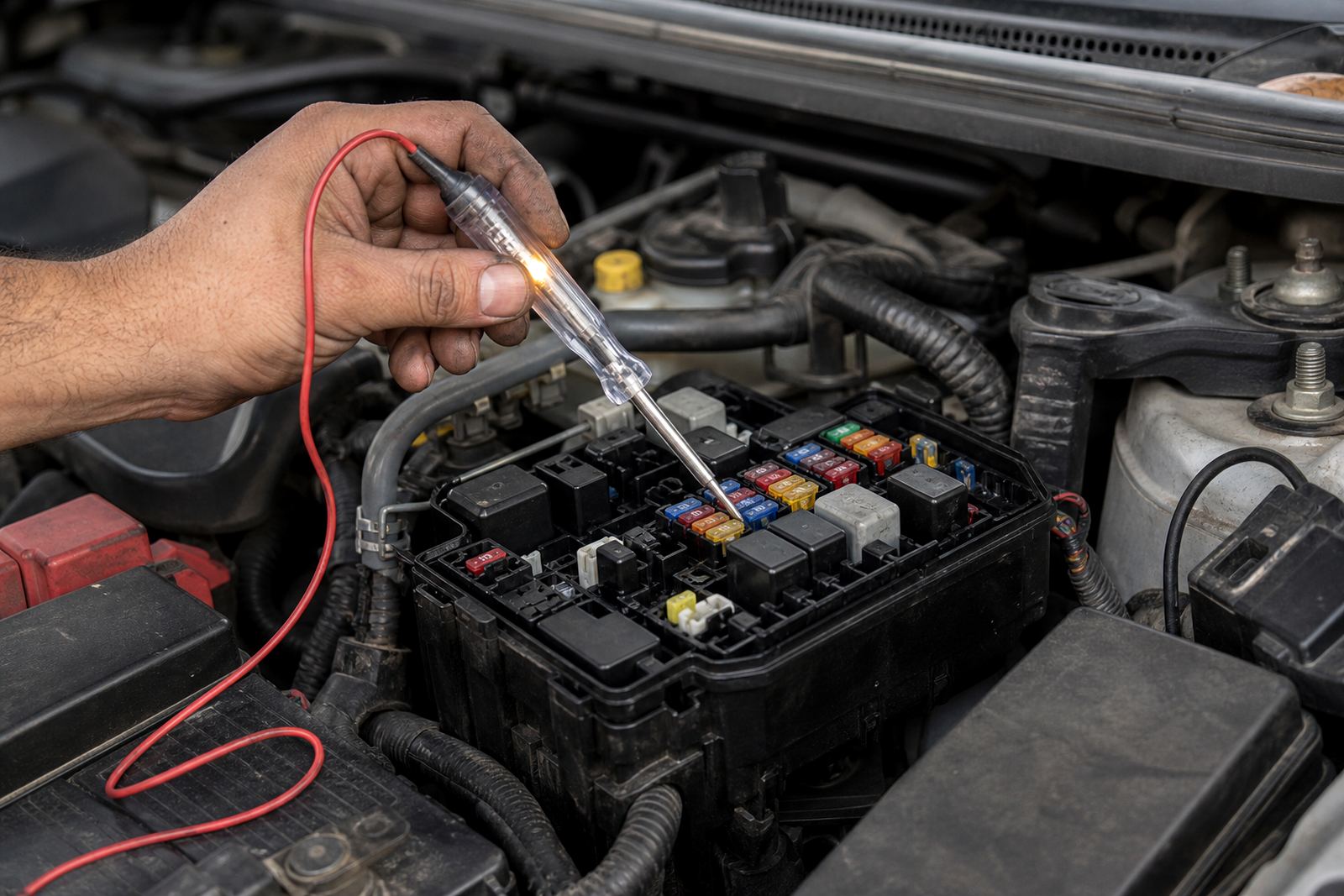
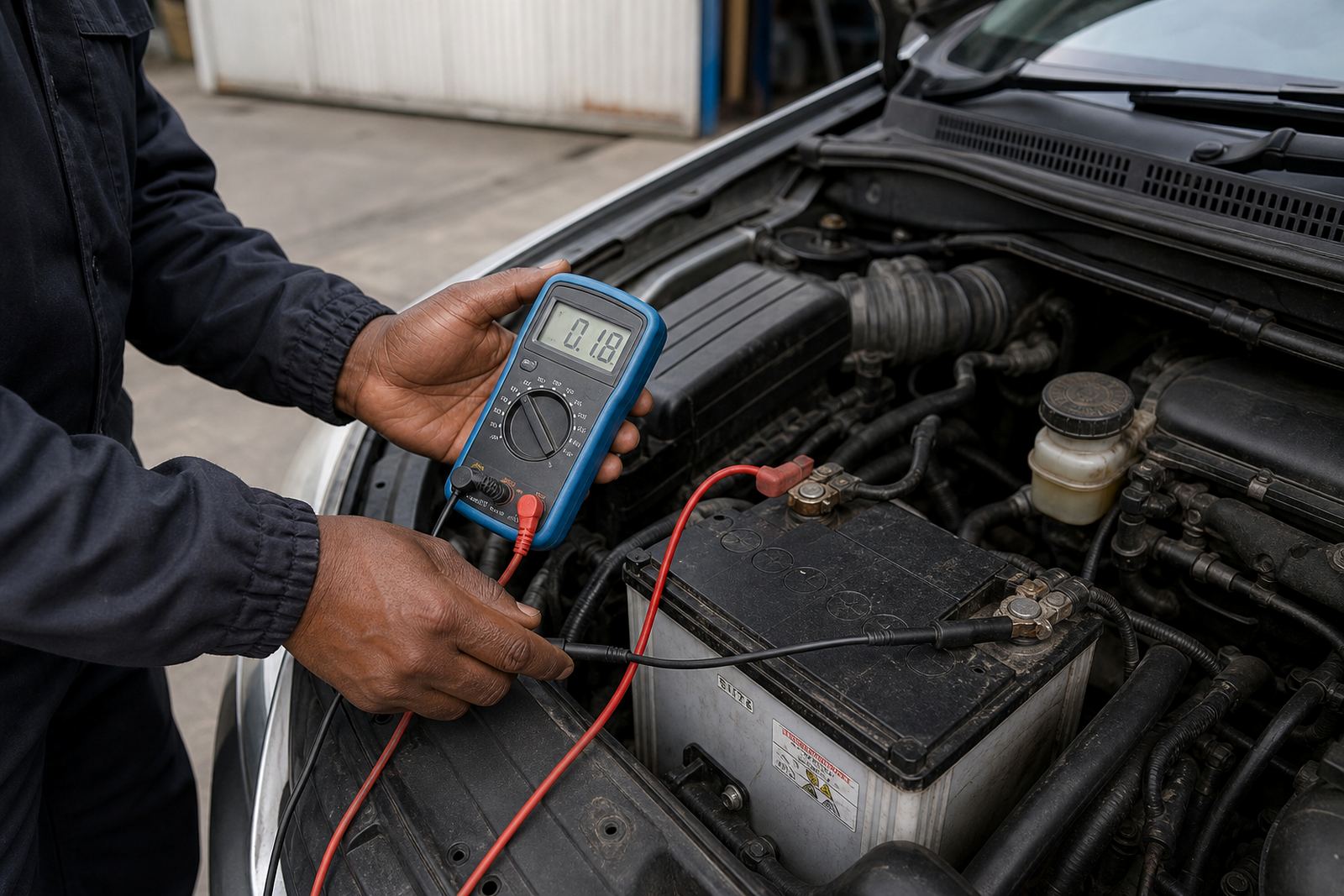
A voltage drop test measures the difference in volts between two points while the circuit is working. On a healthy starter or charging circuit, that difference stays low. When corrosion, loose terminals, damaged wire strands or a tired earth path get in the way, the reading climbs and the fault becomes easier to trace.
At our Montague Gardens workshop we use the test on starter circuits, alternator output paths, battery feeds, earth returns and high draw accessory circuits. It is one of the cleanest ways to separate a wiring fault from a weak component, especially on vehicles that have already had parts swapped without the real issue being found.
- Checks live voltage loss across positive and earth sides
- Works alongside battery tests, cranking checks and charging system readings
- Useful for intermittent faults that only show under load
- Helps pinpoint high resistance without stripping the whole loom
Vehicle sizes and circuit types we test
We use loaded voltage drop testing on passenger cars, bakkies, panel vans, minibuses, fleet vehicles and trailers. The method suits 12 V systems on most light vehicles, and it is also used on heavier duty setups where the circuit layout and access points allow proper metre placement. The test is practical on vehicles with standard starting systems, smart charging layouts and CAN-linked accessory circuits.
For fleets, the value is in consistency. A vehicle may pass a quick visual inspection and still lose voltage through a hidden crimp, a corroded battery clamp or a weak engine earth. That is why the reading is taken under load rather than by eye alone.
- 12 V light vehicle starting and charging systems
- Starter motor feeds and solenoid trigger circuits
- Alternator output cables and battery positive paths
- Earth straps, chassis returns and engine grounds
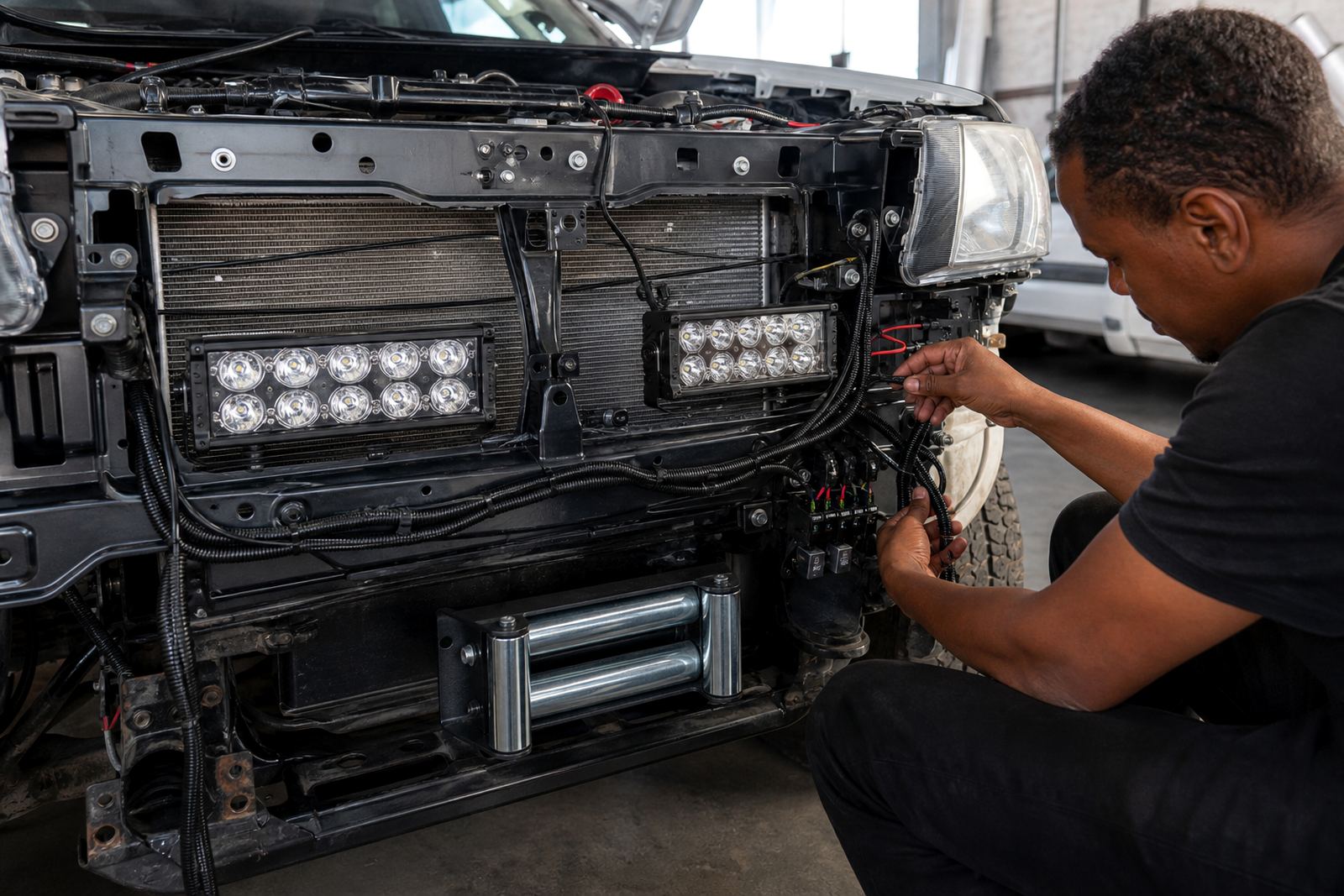
- Accessory feeds for trackers, work lights and tow wiring
Where this diagnostic suits real workshop faults
We use voltage drop testing on jobs that keep returning with the same complaint. Slow cranking, dim lights, a flat battery after standing, a starter that clicks, an alternator that looks fine on paper but not on the road, these are all common reasons to test the circuit under load.
It also suits trailer wiring faults, earth problems after body repairs, and parasitic drain cases where the vehicle goes flat because a circuit is not shutting down properly. On modern vehicles, it can support CAN bus fault checks when a communication issue is linked to poor power or earth supply.
- Slow crank complaints and no-start faults
- Battery drain cases on private vehicles and fleets
- Headlamp dimming, flicker or uneven output
- Trailer plug faults and tow wiring concerns
- Accessory fits that need proper supply and earth checks
How we fit the test into a repair plan
The test itself is quick once the vehicle is in position, but the real work sits in the interpretation. Our technicians set the metre across the section being checked, then load the circuit and watch where the drop appears. That may lead to a terminal clean, a cable repair, a new earth strap, a starter circuit repair or an alternator wiring repair.
For mobile call-outs across Cape Town, Bellville, Milnerton, Somerset West and Paarl, the setup needs safe access to the battery, starter, alternator and earth points. If we are chasing an intermittent problem, photos of recent work, added accessories or battery replacement history help our team shorten the search. You can send those details through our contact form.
- Good battery access and a secure parked vehicle
- Clear access to starter, alternator and earth points
- Notes on added accessories or recent wiring work
- Fault symptoms, ignition behaviour and cranking pattern
Care after the repair or installation
Once the fault is repaired, the circuit should be left with clean metal contact, tight fastening and protected cable routing. Heat, vibration and coastal moisture can all let the problem surface again if a connection is only patched loosely. In the Western Cape, that matters on vehicles working near the harbour, in the Northern Suburbs or in daily stop start delivery use.
We recommend periodic checks on fleet vehicles, especially where chargers, trackers, auxiliary lights or trailer sockets are fitted. A battery clamp that looks fine can still hide resistance under load, so a follow-up voltage drop check is useful after major electrical work or when a vehicle starts showing the same symptom again.
- Keep battery terminals clean and properly clamped
- Inspect earth straps after engine work or accident repairs
- Check added accessories for secure feeds and fusing
- Watch for heat discolouration around terminals and lugs
The details we need before we test or quote
To plan the right diagnostic, we need the vehicle make and model, engine type, year, the symptom you are seeing and whether the fault is constant or intermittent. It also helps to know if the issue affects starting, charging, lighting or an added accessory. Fleet bookings often benefit from a list of unit numbers and the suburb or depot location for the call-out.
We also need to know if the vehicle has had recent starter, alternator, battery or wiring work, because that changes where resistance may be hiding. When you are ready, use our contact form with the fault description and any supporting notes. That gives our workshop team and mobile call-out technicians the right starting point.
- Vehicle make, model, engine type and year
- Fault symptoms and when they appear
- Recent electrical repairs or parts replacements
- Workshop visit or mobile call-out location
- Any fitted trackers, tow wiring or accessories
Key facts
| Test method | Loaded voltage drop measurement across positive and earth sides |
|---|---|
| Voltage system | Primarily 12 V light vehicle systems, with circuit-by-circuit assessment on suitable platforms |
| Use cases | Starter circuits, alternator output, earth faults, battery feed loss and accessory wiring |
| Tools used | Digital multimeter, load applied by circuit operation, visual inspection and trace testing |
| Typical fault finding | High resistance at terminals, joints, cables, grounds and fuse box connections |
| Service area | Montague Gardens, Cape Town and mobile call-outs across the Western Cape |