Tracker units that sit cleanly in a vehicle’s electrical system
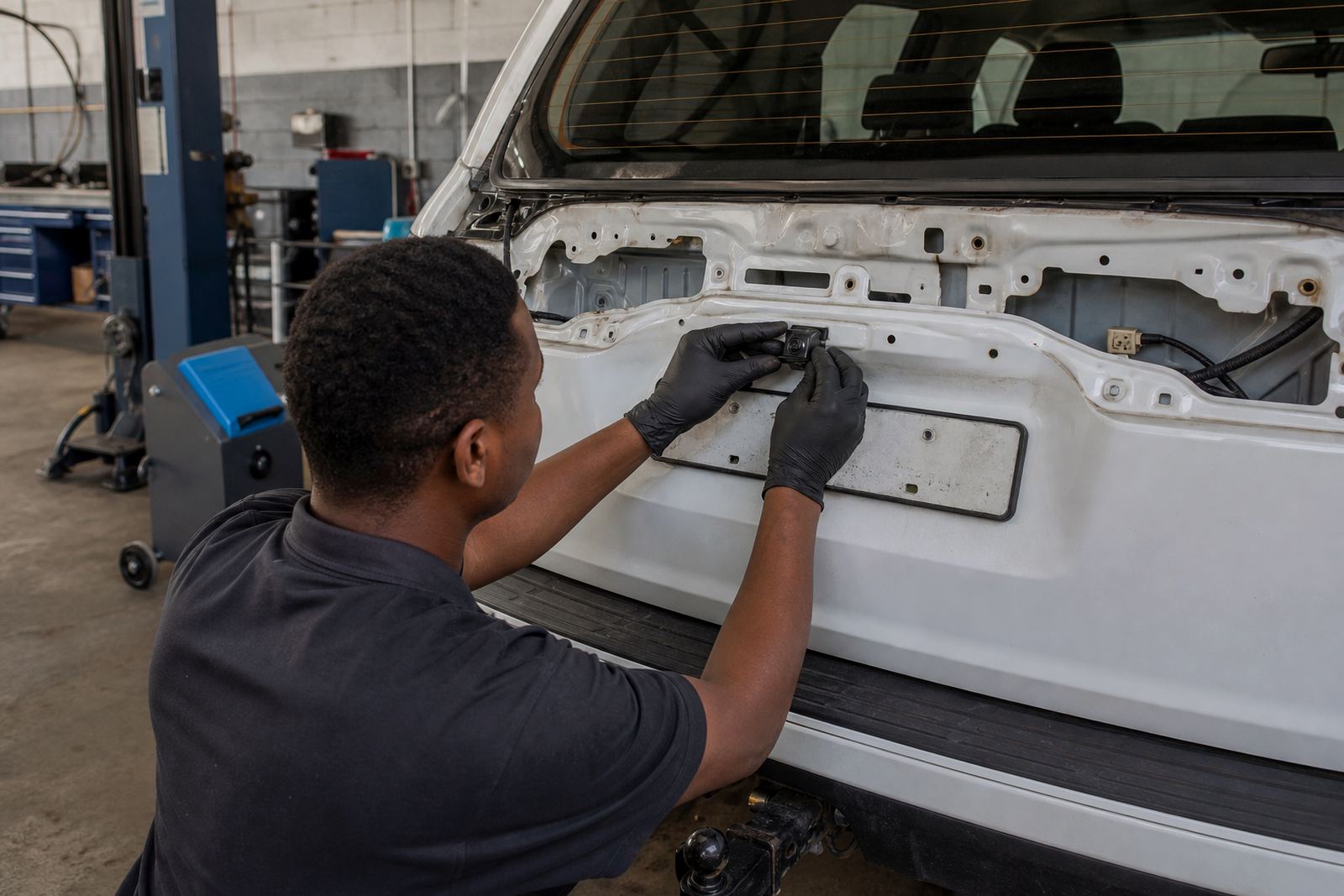
A tracker is a fitted electronic unit that draws a small constant supply from the vehicle and works alongside the battery, ignition, and live vehicle circuits. On a proper installation the unit is hidden, the power feed is fused, and the wiring is routed so it does not rub on sharp edges or sit close to heat. That matters in bakkies, panel vans, sedans and fleet vehicles that spend long hours on the road or sit parked in coastal humidity.
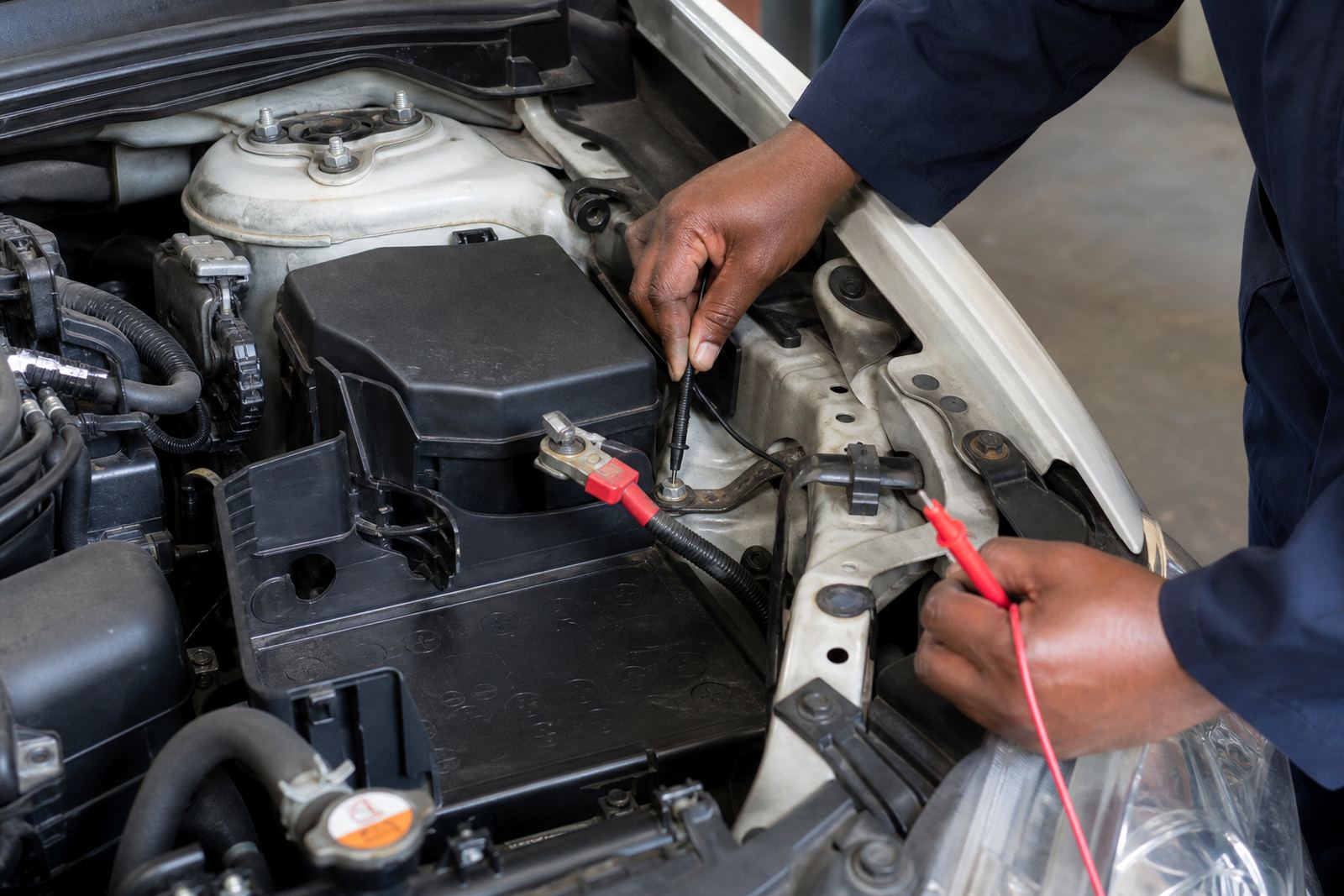
We fit trackers as part of an auto electrical job, so the installation is checked against the condition of the battery, charging system and earth points before the vehicle leaves the workshop. If the vehicle already has wiring faults, a weak battery, or a parasitic drain, those issues are handled first so the tracker is not blamed for a fault that started elsewhere.
- Secure fused power feed
- Neat loom routing and tie-downs
- Unit placed clear of exhaust heat and water ingress
- Checked after installation for correct current draw
Fitment options for fleet and private vehicles
Tracker fitment is not one size only. Some vehicles need a compact hidden unit with a simple ignition feed, while others need a more involved installation with accessory wires, starter inhibit wiring, or integration into a fleet management setup. We also work on vehicles with heavier electrical loads where the existing fuse box layout and earth points have to be checked before any new accessory is added.
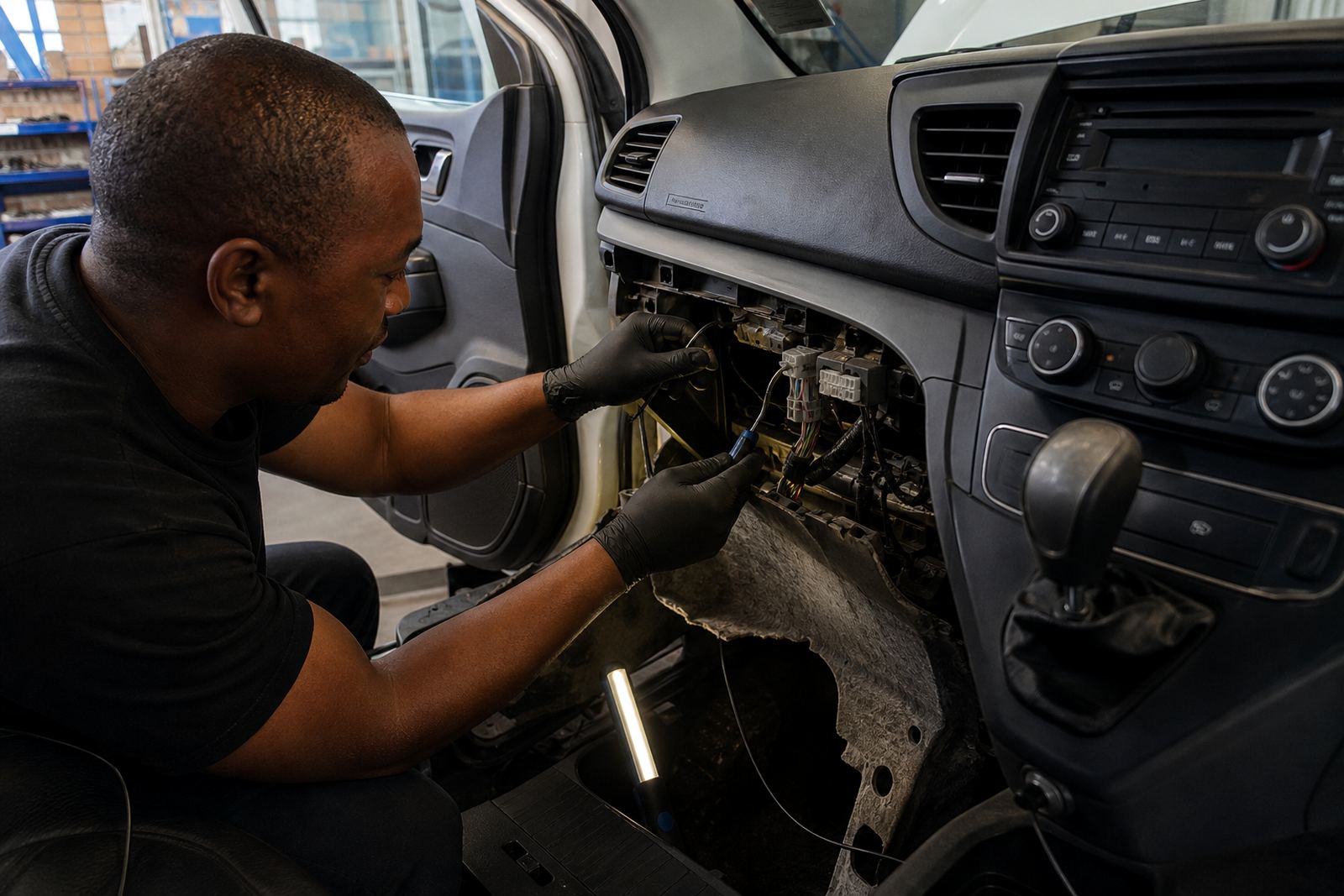
For fleet vehicles, the install usually has to sit neatly inside a working vehicle that cannot be stripped apart for a messy job. For private owners, the main concern is usually concealment, clean routing and no damage to factory trim or wiring. We plan the route around the actual vehicle layout.
- Compact hidden tracker units
- Fleet tracking installations
- Tracker and accessory combinations
- Starter inhibit or immobiliser-linked wiring where specified
What the installation needs from the vehicle
Most tracker units need a stable 12V supply, a reliable earth, and access to a live or ignition-controlled feed depending on the setup. In workshop terms that means checking battery health, alternator output and charging voltage before the unit is clipped in and sealed. If the vehicle has a charging fault, poor earth, or a starter circuit problem, the installation can be affected and the root cause has to be corrected first.
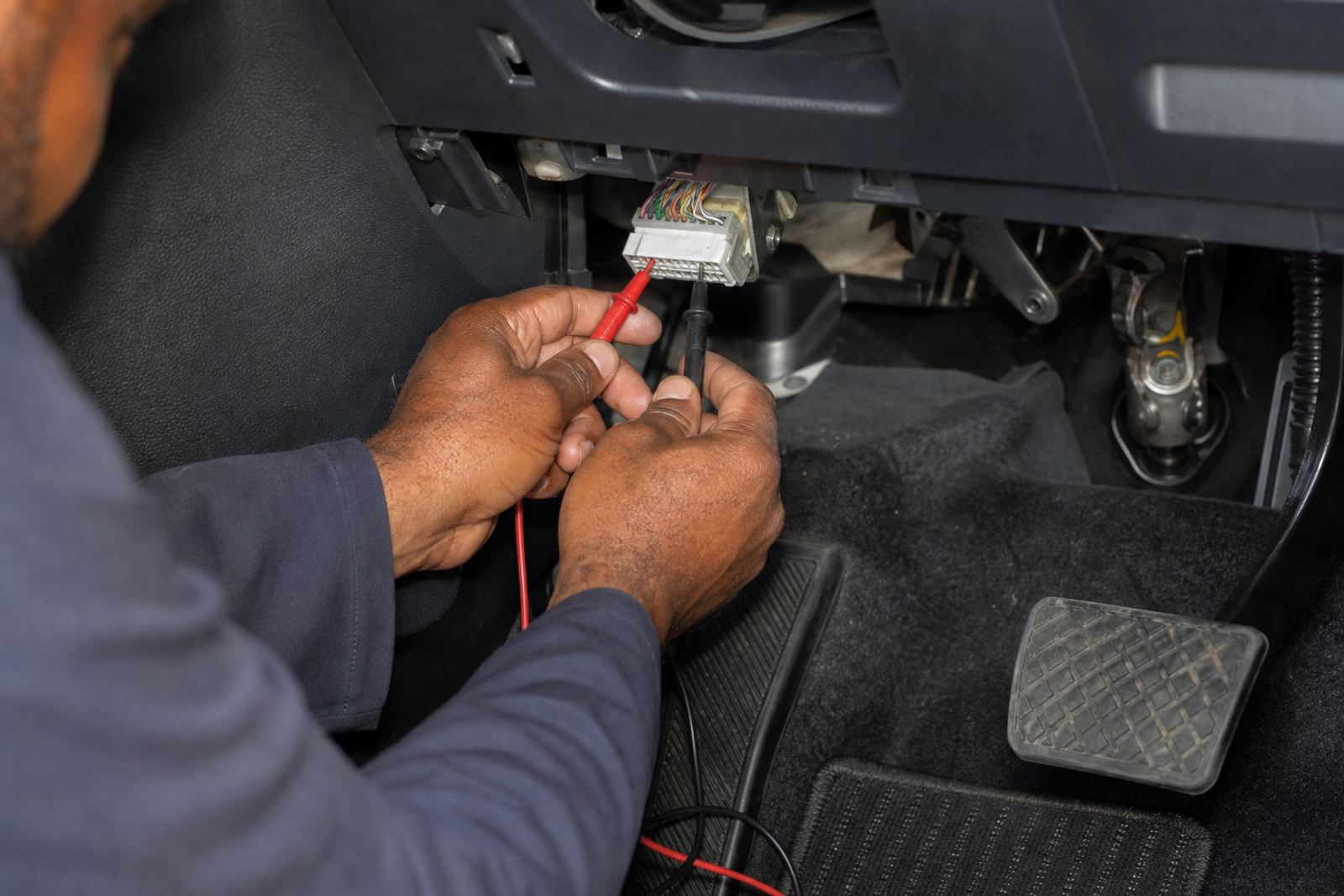
We also look at CAN bus basics where the vehicle uses networked modules and shared signals. That helps avoid tapping into the wrong wire on modern vehicles where the wrong connection can trigger warning lights or confuse a control module. Trailer wiring, lighting repairs and accessory rewiring often go hand in hand with tracker work on fleet vehicles.
When we install a tracker, the aim is not only that it powers up. The aim is that the feed is stable, the wiring is protected, and the vehicle still behaves normally under load, at idle, and during cranking.
Where tracker fitment suits best
Tracker fitment makes sense on vehicles that move through Cape Town traffic every day, travel between depots, or spend time parked at different addresses. We fit units on family cars, work bakkies, delivery vehicles, tradesman vans and mixed fleet vehicles in Montague Gardens, Milnerton, Bellville, Somerset West, Paarl, Brackenfell and Durbanville.
Coastal use calls for tidy sealing and cable protection. Salt spray, damp parking bays and frequent wash-downs can wear out low-grade connections quickly, so every splice and termination must be done the right way. Where a vehicle already has added accessories, we check how the extra load sits on the charging system and whether the battery is coping under daily use.
- Fleet vehicles that rotate between drivers
- Private cars parked at home or on site
- Work vehicles with added accessories
- Vehicles that already show battery drain or charging complaints
How we handle the wiring and post-install checks
Good tracker fitment is mostly about the wiring behind the trim. The feed has to be fused, the earth point has to be sound, and the cable route has to avoid abrasion from pedal brackets, sharp metal edges and moving panels. Where needed we repair existing wiring faults first, then fit the tracker into a clean circuit path so there is less chance of nuisance faults later.
After installation, we test the unit’s power feed, confirm the vehicle starts and charges properly, and make sure there is no new parasitic drain. On some jobs we also inspect starter circuit performance, alternator output and fuse box condition because a tracker is only as reliable as the vehicle electrical system feeding it. That extra checking saves time on repeat strip-downs and keeps the job tidy from the start.
- Fused supply and protected earth connection
- Wire looms secured against rubbing
- Crank and charging checks after fitment
- Drain check where battery problems already exist
Details to confirm before the tracker goes in
To plan the fitment properly, we need the vehicle type, model year, whether it is petrol or diesel, and whether it already carries added accessories or a previous alarm or tracking unit. It also helps to know if the vehicle has a known battery drain, alternator complaint, starter issue, or warning light history, because those details affect the wiring path and the checks we carry out.
Tell us whether the tracker is for a single vehicle or a fleet, where the vehicle is usually parked, and whether the install must suit a standard private-use car or a commercial vehicle with heavier electrical demand. For fleet work, the contact person, vehicle count and operating area matter. For private owners, a clean hidden install with sensible access for future testing is usually the focus.
We fit trackers from our Montague Gardens workshop and also handle mobile call-outs in selected areas across the Western Cape when the job suits on-site work.
Key facts
| Product type | Vehicle tracker fitment and auto electrical installation |
|---|---|
| Electrical requirement | 12V vehicle supply with fused power feed and sound earth |
| Installation method | Hidden cable routing, protected terminations, post-fit electrical checks |
| Typical vehicles | Cars, bakkies, vans, fleet vehicles and mixed-use work vehicles |
| Service area | Montague Gardens, Cape Town and selected Western Cape call-outs |
| Related checks | Battery drain, charging system, starter circuit, CAN bus fault checks |