First signs that point to the charging side
When an alternator begins to slip, the car rarely stops neatly. A battery lamp may glow at idle, interior lights can look weak, and electric windows or fans may slow down when the engine is idling. Some drivers notice a hard start after a short stop, then the vehicle behaves better once revs rise. That pattern often points to charging output that is low at idle or unstable under load.
In Cape Town and the surrounding areas, heat, short trips and stop start traffic all make weak charging systems show up faster. A vehicle that only does school runs in Milnerton or delivery drops in Bellville may need more from the charging system than it gets back on each trip. If the battery has been replaced more than once, the alternator, wiring or earth path deserves a proper check before another part is fitted.
What our technicians look at before any strip down
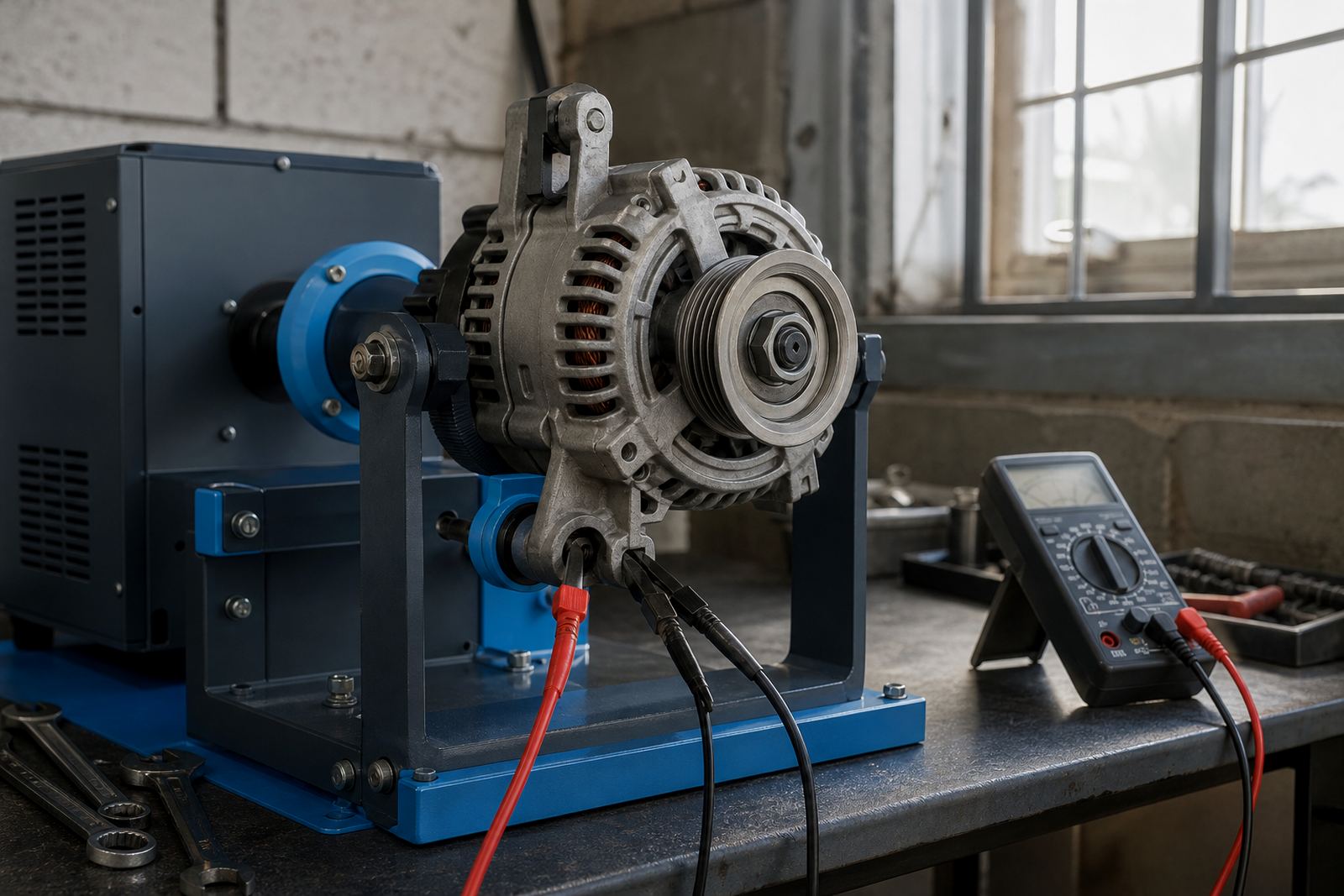
A charging fault is not solved well by guesswork. The first pass is a battery and charging test, then live data if the vehicle supports it. Voltage at the battery, voltage at the alternator output, ripple and load behaviour all help separate a worn alternator from a battery that cannot hold charge. A good reading at idle means little if the output falls away once headlights, blower and rear demister are switched on.
- Battery resting voltage and state of charge
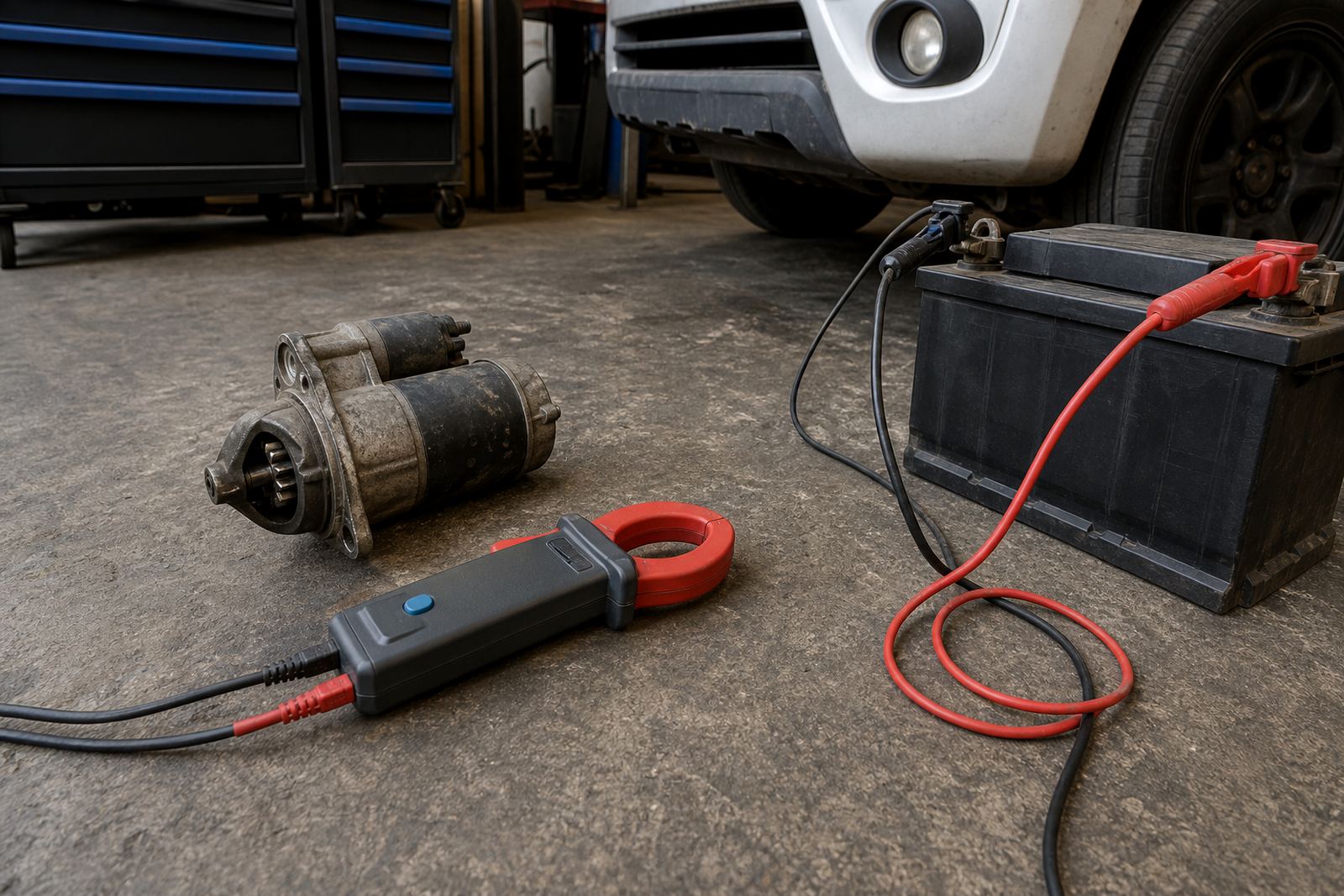
- Cranking drop and starter draw
- Alternator output at idle and raised rpm
- Ripple or AC leakage from failed internal parts
- Earth path quality between battery, engine and body
- Fuse links and charging circuit continuity
We also check for stored fault codes when the vehicle system allows it. Codes linked to undervoltage, communication loss or charging regulation can point in the right direction, but they do not replace hands on testing. A code is a clue, not the answer by itself.
When the alternator is not the only fault
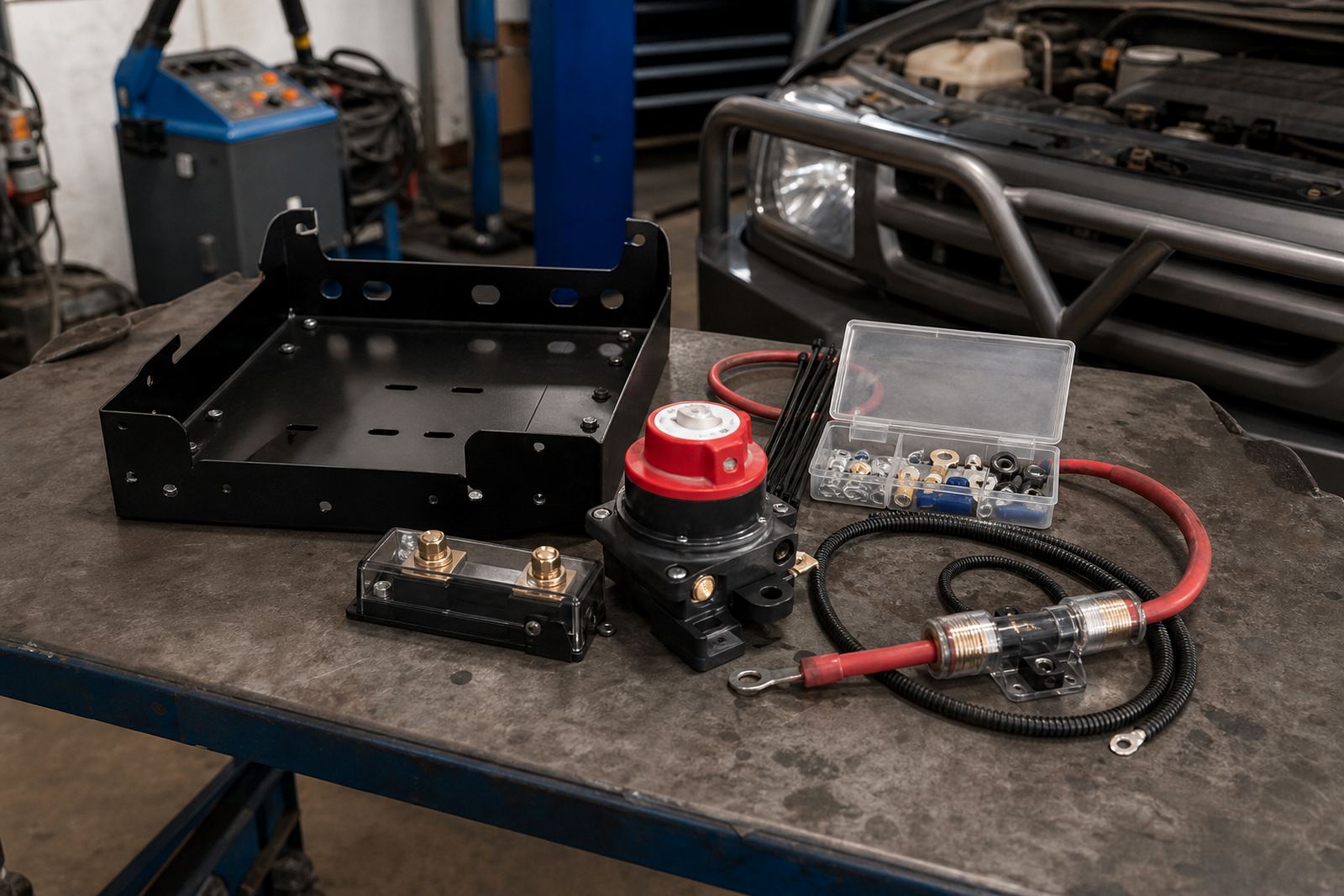
Many charging complaints turn out to be wiring faults, corroded terminals or a bad earth rather than a failed alternator. A loose battery clamp can mimic a major fault. A damaged main charge cable can pass enough current to keep the car alive for a while, then heat up and drop voltage under load. On some vehicles the alternator is controlled through the CAN network or by a smart charging strategy, so a control issue can lower output even when the hardware still spins freely.
That is why a repair decision should follow the test path, not a hunch. If the alternator fails a bench or vehicle test, repair or replacement may be the right call. If the readings change when the harness is moved, the real problem may sit in the loom, plug, terminal or earth strap.
- Green corrosion inside a plug
- Heat damage near the alternator connector
- Loose or broken charge cable terminals
- Paint, rust or oil under earth points
- Blown fuses or fusible links
Reading live data without overcomplicating it
Live data can make a charging diagnosis clearer, especially on vehicles with computer controlled alternator output. The battery voltage reported by the control system should make sense beside the physical metre reading. If the command value rises but actual output stays low, the alternator or its circuit may be the issue. If the command stays low when electrical demand is high, the control side may be limiting output because it sees another fault.
Technicians also watch for parasitic drain when a vehicle keeps going flat overnight or after a weekend parked in Somerset West or Paarl. A charging complaint and a drain complaint can look similar from the driver’s seat, but the test path is different. One problem steals current while the car is off, the other fails to replace what was used while driving.
That is why a proper diagnosis may include battery drain checks, key off current draw, and a look at accessories fitted into the vehicle earlier in its life. A tracker, auxiliary lamp or poorly joined trailer wiring can hold a circuit awake and make the alternator look guilty when it is only trying to catch up.
Repair choices that make sense on the bench and in the bay
Once the fault is clear, the repair should fit the fault and the vehicle’s condition. Some units need new brushes, a regulator, bearings or a rectifier section. Others are too worn, heat damaged or contaminated to justify piecemeal work. A slipping belt, noisy pulley or damaged tensioner can also shorten alternator life, so the drive side should be checked at the same visit.
Starter repairs often sit close to alternator work because the same battery, cables and earths feed both systems. If cranking is slow and charging is weak, the fault can sit across the entire starting and charging circuit. That is why a narrow fix can miss the bigger picture. A sound repair should leave the battery charged properly, the warning lamp off and the vehicle starting cleanly after a few rest cycles.
- Repair internal wear where the housing and rotor are still sound
- Replace damaged cables or terminals where heat has marked them
- Correct earth faults before fitting another unit
- Check belt condition, pulley alignment and tension
- Retest after road use and idle time
What fleet operators in the Western Cape usually ask us to check
Fleet vehicles bring extra pressure because downtime affects more than one driver. A van that works between Cape Town and Bellville, or a service bakkie doing calls in Montague Gardens and Durbanville, needs a charging system that can handle daily use without drama. We often see repeat battery failures where the root cause was never the battery at all. It was poor charging, a tired alternator or a hidden drain in an added accessory circuit.
For mobile call-outs, the same logic applies on site. We look at symptoms first, then test output, wiring, and earth faults before any parts are swapped. If the vehicle has trailer wiring or extra electrical equipment fitted, those circuits are checked as part of the diagnosis. That keeps the repair tied to the fault.
Our workshop in Montague Gardens handles alternator repairs, wiring repairs, starter circuit faults, charging system tests and CAN bus fault checks, while the mobile team covers Cape Town, Milnerton, Bellville, Somerset West and Paarl. If you need a recorded fault trail or a repair plan for more than one vehicle, our contact form is the right place to begin.
A short checklist before you send in the vehicle
Useful details make it easier to separate a charging fault from a battery repeatedly flattened by another circuit. Bring these details with the vehicle, or send them through our contact form.
- When the warning lamp comes on
- Whether the fault appears at idle, on the road, or after parking
- Any battery replacements or jump starts done recently
- Extra accessories fitted to the vehicle
- Any trailer wiring, fleet tracker or lighting changes
- Whether the problem affects starting, driving, or both
Good alternator work is built on readings, not assumptions. Once the test results line up with the symptoms, the repair becomes much easier to justify and much less likely to miss the real fault.