
Start With the Symptom You Can Actually See
Open with the main problem, not the story around it. Say whether the fault is hard starting, a warning light, a flat battery, dim lights, a dead accessory, or a vehicle that cuts out and then starts again later.
Try to describe the moment it happens. A fault that shows up on a cold morning, after a long highway run, or only when the engine is idling points a technician toward a different part of the system. If the issue only appears with the headlights, air conditioning or tow wiring on, say that plainly.
- State when the problem started
- Note if it happens every time or now and then
- Describe the exact sound, smell or warning light
- Say whether the engine cranks, clicks or stays silent
Useful Details Before the Bonnet Opens
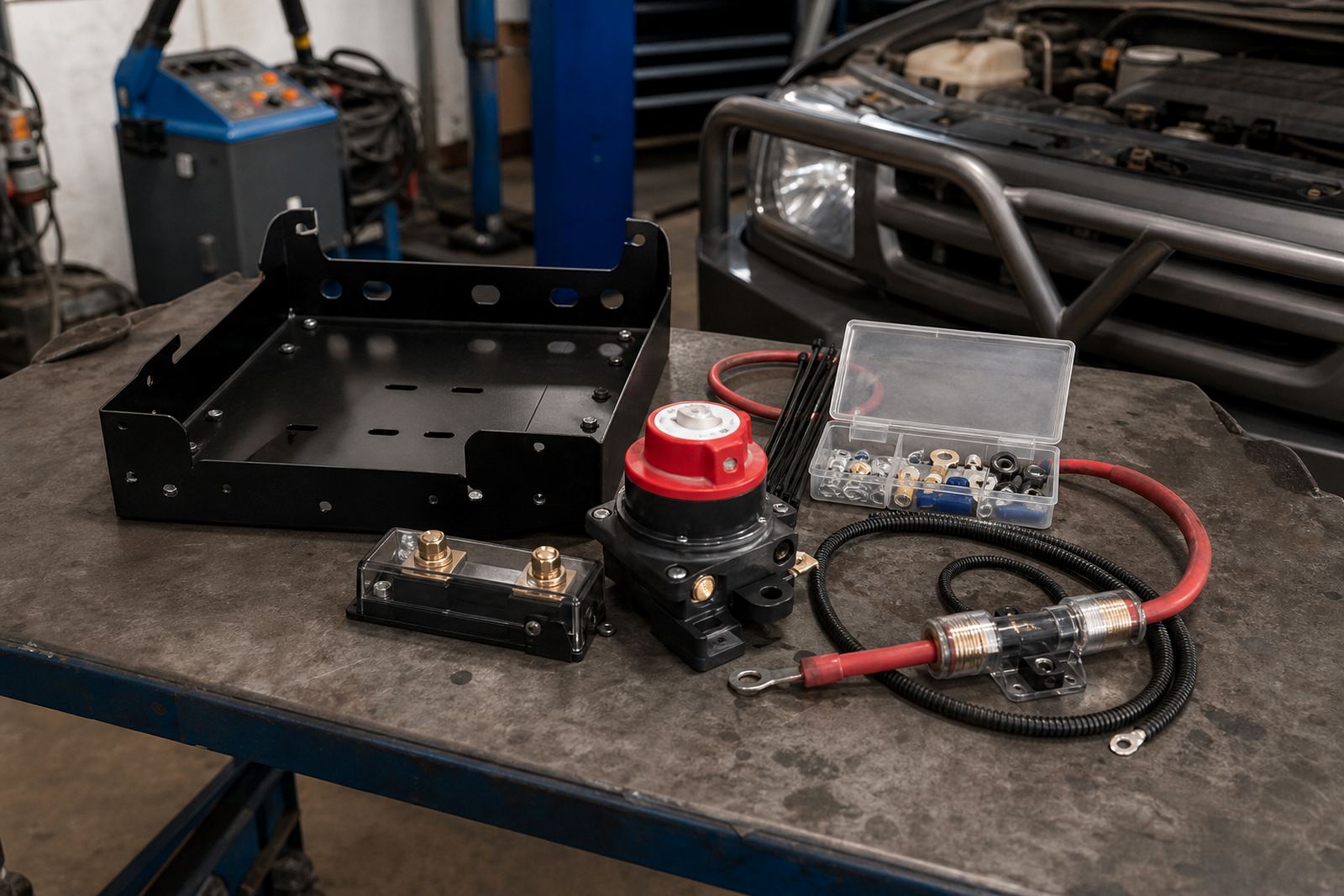
A clear vehicle description cuts down on unnecessary back-and-forth for our diagnostics team. Send the make, model, year if you know it, fuel type and gearbox type. Mention any non standard electrical additions such as a tracker, alarm, extra lights, trailer socket work, canopy wiring or a fitted inverter.
If the battery has been replaced, say when that happened and whether the vehicle has had repeated flat starts since then. If a jump start was needed, explain that too. A battery that tests fine on its own can still fail under load, so the extra context matters.
- Vehicle type and body style
- Fuel type and transmission
- Recent battery, starter or alternator work
- Any added accessories or trailer wiring
What a Technician Can Read From the System
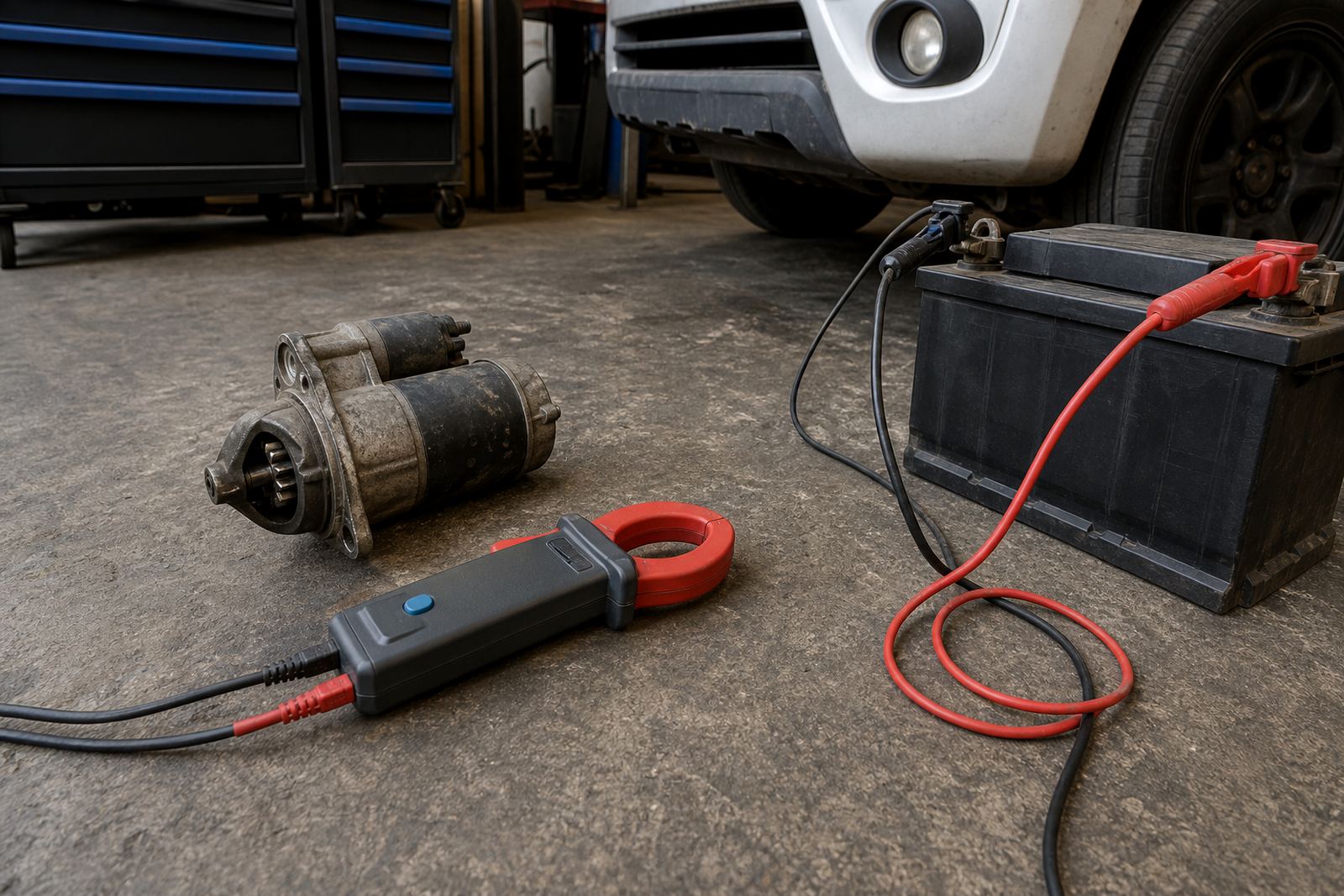
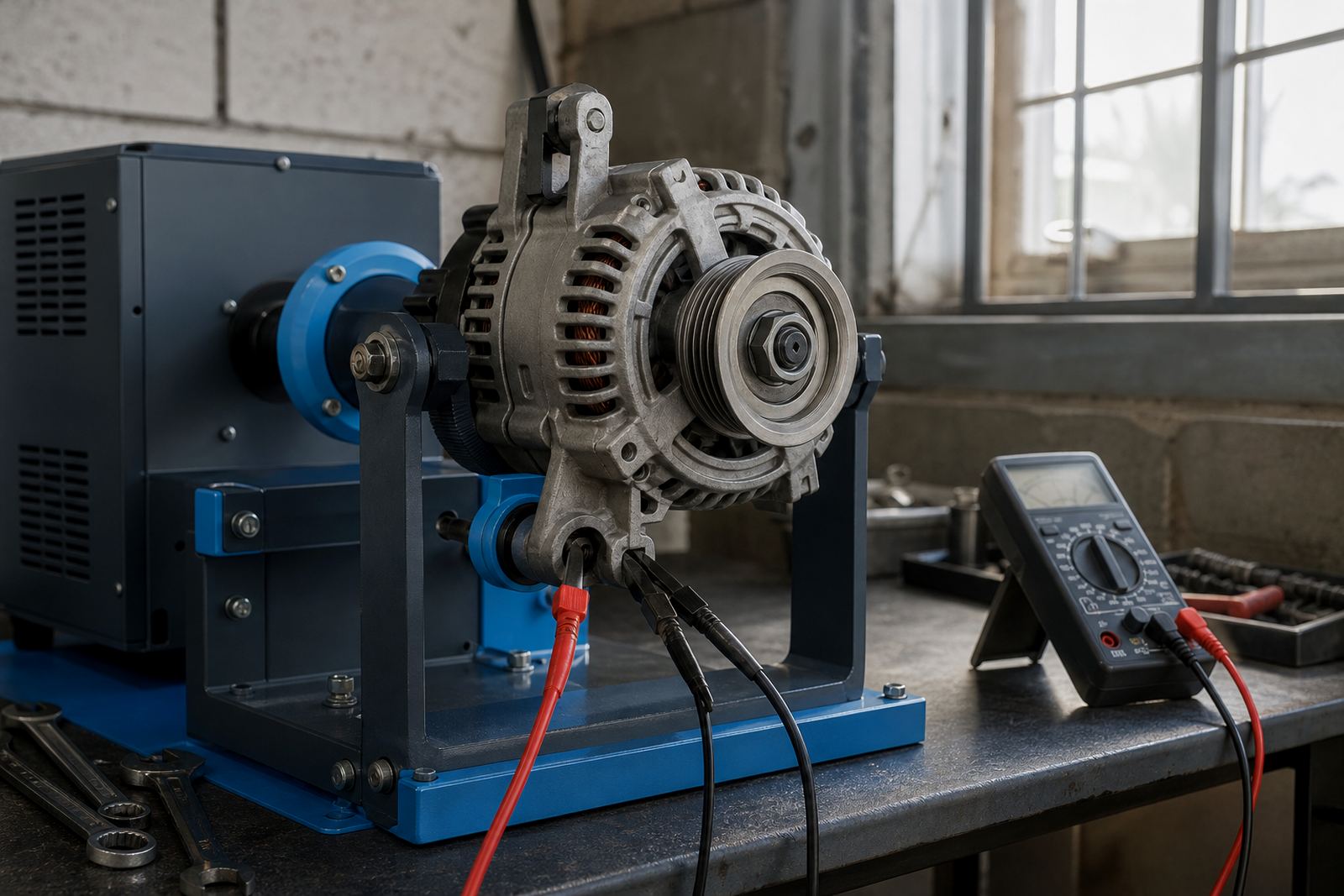
Modern diagnostics often begin with fault code reading, live data checks and battery and charging tests. That means the workshop may look at stored codes, charging voltage, cranking speed, sensor values and whether the alternator is keeping the battery in the right range.
If the fault lamp came on and then cleared, mention that. If the car has a repeated battery drain, the technician may test for parasitic draw after the vehicle is switched off. That can point to a stuck relay, damaged wiring, a module staying awake or an accessory that was fitted badly.
For CAN bus faults, it helps to say if several unrelated systems failed at once, such as windows, central locking and dashboard warning lights. That kind of pattern is often more useful than saying the car is just playing up.
How to Describe Electrical Symptoms
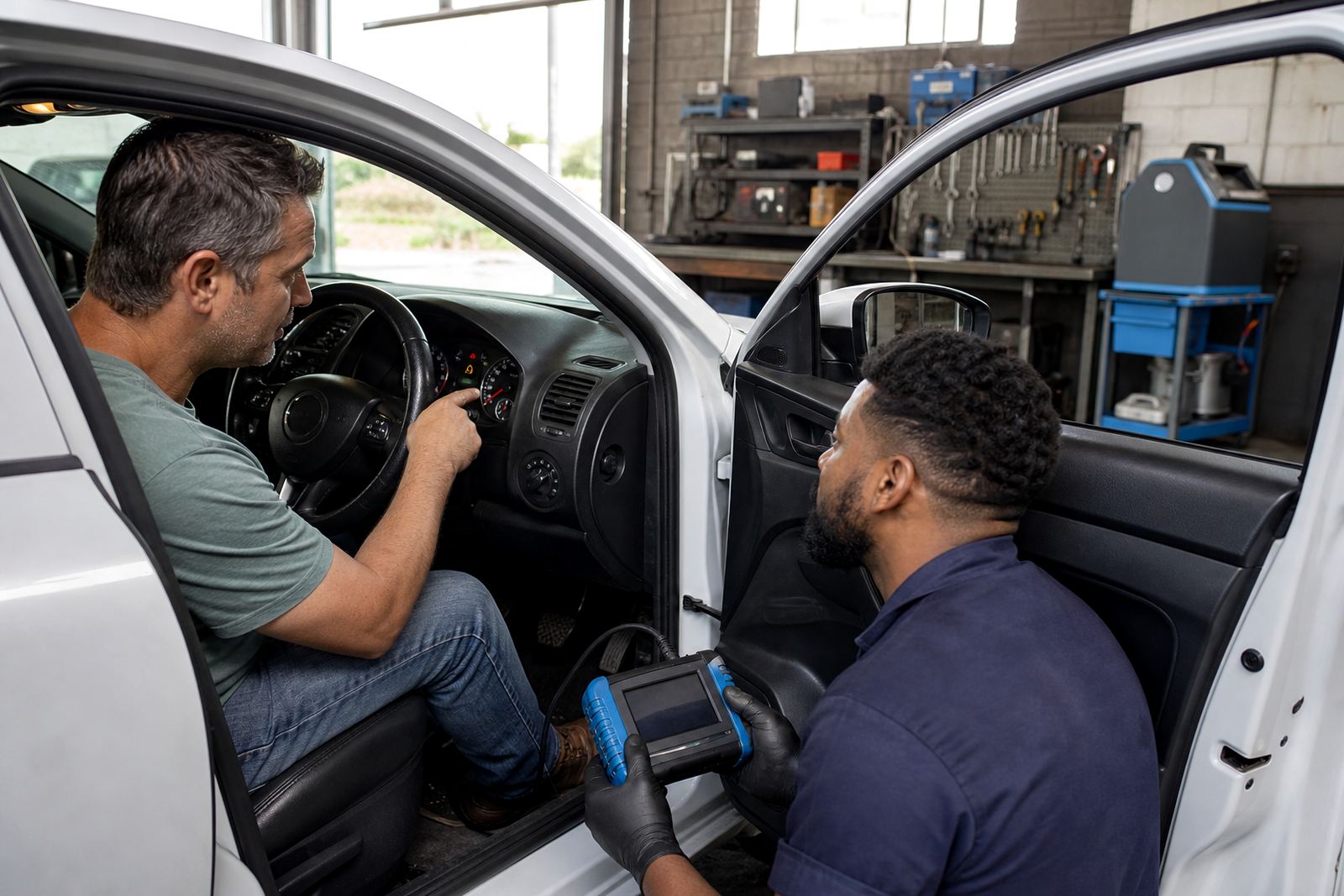
You do not need to diagnose the fault yourself. What helps most is a clean description of what the vehicle does, and what it does not do. A starter fault sounds different from a battery fault, and an alternator issue behaves differently again.
Use plain language when you speak about the fault. Clicks, flicker, smoke, burning smell, slow cranking, dead lights or a battery that goes flat overnight are all better than vague trouble. If the problem is intermittent, mention the weather, road conditions or vibration that seems to trigger it.
- Clicking when turning the key or pressing start
- Headlights dimming at idle or under load
- Warning lights that appear after driving
- Accessories failing after recent wiring work
Before a Call-Out, Walk Through the Vehicle Once
If you are booking a mobile call-out in Cape Town, Bellville, Milnerton, Somerset West, Paarl, Brackenfell or Durbanville, a quick walk around the vehicle helps. Check whether the bonnet opens, whether the battery is accessible, and whether the vehicle is parked somewhere safe for testing.
Do not disturb loose wiring or pull fuses to see what happens. A damaged earth, a loose terminal or a wrong connection can create a larger fault in seconds. If there is trailer wiring, mention that before the technician arrives because it may be linked to the drain or lighting issue.
- Confirm where the vehicle is parked
- Make sure the key or fob is available
- Leave any warning messages showing on the dash
- Note if the problem happens with the engine off or running
A Short Checklist That Helps the Workshop
When you use our contact form, short and specific notes are easier to work with than a long story. A few lines with the right details can point the team toward wiring repairs, starter repairs, alternator repairs, battery drain repairs or a CAN bus fault check.
A good note may say the battery goes flat overnight, the starter only clicks when warm, the left headlamp keeps failing, or the trailer plug causes the indicators to misbehave. Those details are practical and they help the diagnostic process stay focused.
- What the vehicle is doing now
- When the fault first appeared
- What was repaired or fitted recently
- Which systems are affected, and which are fine
When the Fault Feels Small but Keeps Returning
Minor electrical faults often get ignored until they start touching daily use. A weak battery, loose earth, failing alternator, damaged fuse box connection or worn starter circuit can show up as slow cranking one week and a no start situation the next.
If the problem comes and goes, say what changes just before it returns. Heat, rain, wash days, rough roads and towing can all expose wiring faults that do not show up in a quick glance. The more exact your notes, the easier it is for the technician to check the right path first.
Private owners often worry about sounding technical enough. You do not need workshop language. Clear facts, a few photos if useful and a precise symptom note are usually enough to start the job properly.