Getting the camera into the right field of view
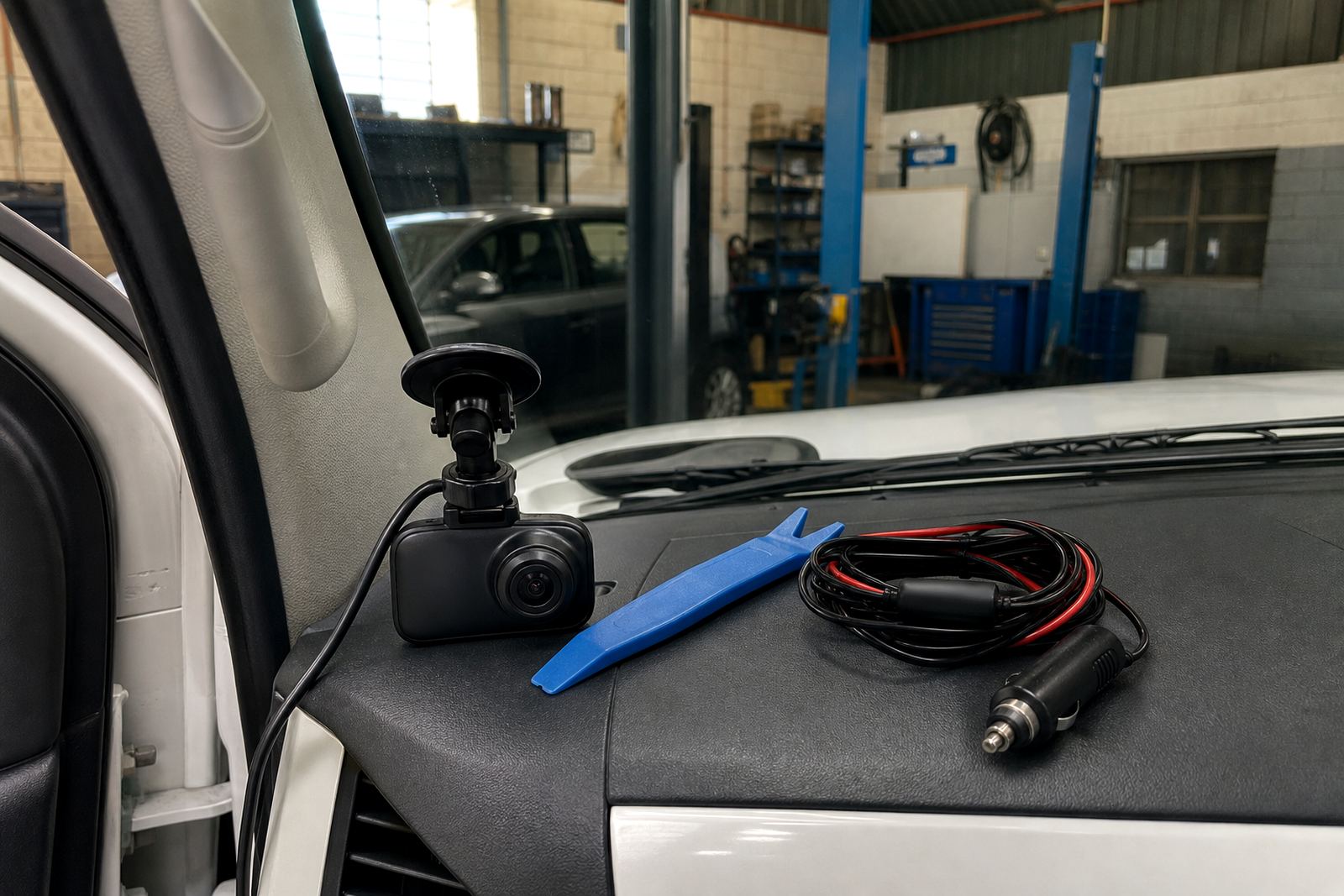
The first decision is where the lens points. A dashcam that sits too low can miss licence plates and traffic lights, while one mounted too high may catch too much roofline or the wrong part of the windscreen. In practice, the best position is usually just behind the rear-view mirror, with a clear view through the centre of the glass and no interference from tint bands or stickers.
We also check how the camera behaves at night and in wet weather. Reflections from the dashboard can reduce detail, and a poor angle will make headlights look harsher than they should. On vehicles with steeply raked windscreens, a small change in angle can make a large difference to what is captured.
- Keep the lens level with the road, not tilted at the bonnet.
- Avoid areas where wiper sweep is patchy in heavy rain.
- Leave enough room for mirror movement and sun visor use.
- Check that the camera body does not block the driver’s main view.
Cable runs that do not rattle or hang loose
A clean cable path matters just as much as the camera itself. Loose leads can rattle on the A-pillar trim, snag around the steering column or become obvious every time the cab lights are switched on. We tuck the cable behind trim panels where possible, then route it so the dashcam sits quietly and stays out of the way.
Care is needed around airbags, especially in modern hatchbacks, bakkies and SUVs. The cable must never cross where a curtain airbag deploys. We also avoid sharp metal edges and tight bends that can wear through insulation over time. In Cape Town coastal conditions, hidden wiring is better protected from salt moisture and general corrosion too.
- Follow trim lines instead of leaving the lead exposed.
- Keep clear of airbag covers and deployment paths.
- Use proper clips and ties so the harness does not move.
- Allow enough slack for mirror adjustment and door opening.
Power choices: fuse tap, hardwire kit or lighter socket
Power supply affects how the dashcam works when the vehicle is parked and when it is driving. A lighter socket is the easiest option, but it can leave a cable visible and may switch off with ignition in a way that limits parking coverage. A hardwired feed gives a neater finish and can be set up to protect the battery if parking mode is used.
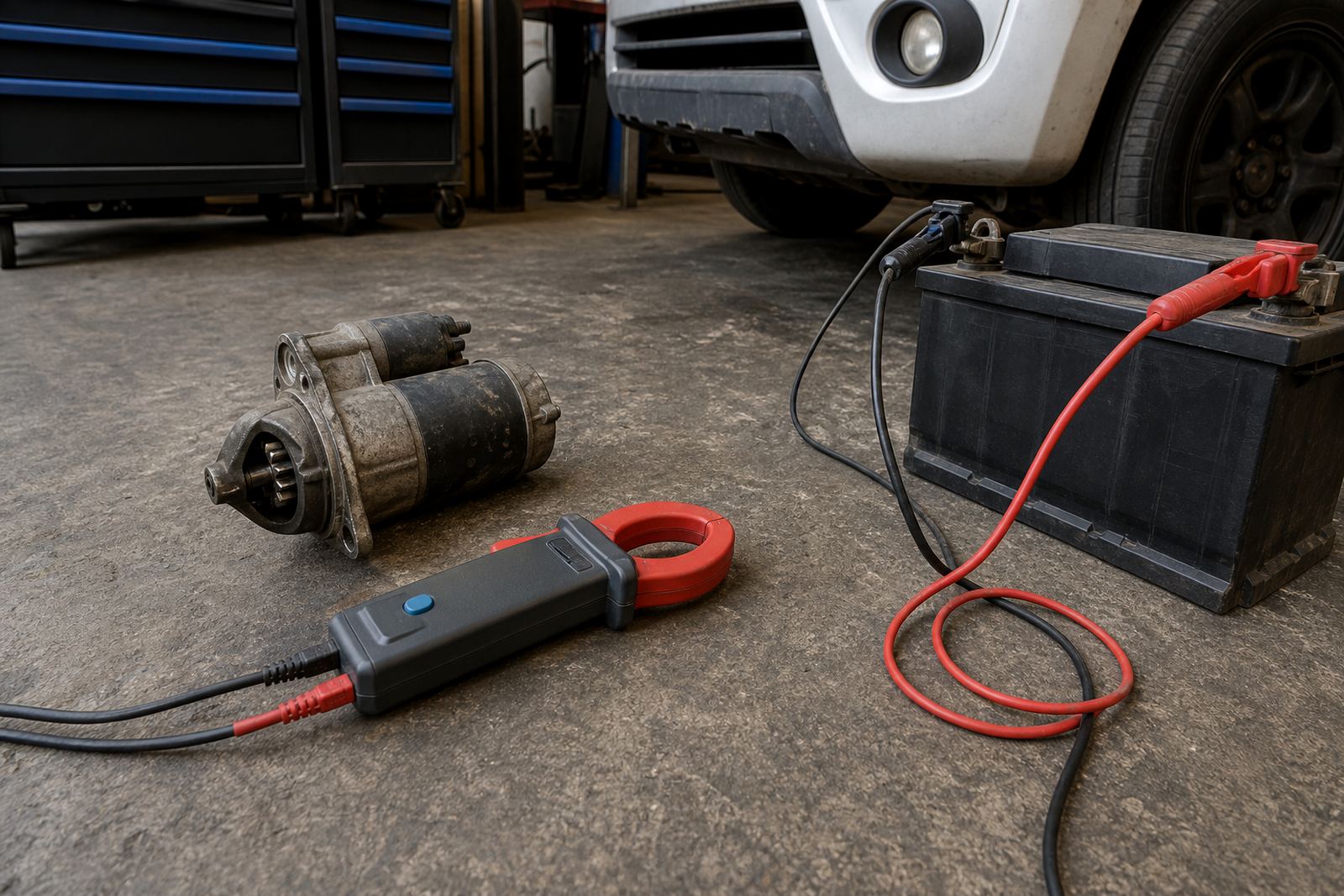
We test battery condition before connecting any permanent feed, especially on vehicles with older charging systems or signs of slow cranking. A weak battery and a camera that records while parked can be a bad match. Where needed, we also check the fuse panel layout and identify a suitable ignition source and earth point so the camera receives stable power without disturbing other circuits.
- Use a fused connection, never an unsafe loose splice.
- Confirm whether parking mode is actually needed.
- Check battery health before adding a hardwired accessory.
- Make sure the chosen circuit suits the vehicle’s electrical layout.
Parking mode, memory cards and daily use
Many owners want a camera that records only while driving, but fleet operators often ask for parking coverage as well. That choice changes the fitment. Parking mode can protect a vehicle after hours, yet it also places more demand on the battery and memory card. The setup must suit how the vehicle is parked, how often it moves and whether it sits outdoors in the sun.
The memory card also needs the right grade for constant writing. If the card is too small or not built for repeated recording, footage can corrupt or loop incorrectly. We always check that the camera settings match the vehicle use, whether it is a courier unit in Bellville or a private car in Somerset West.
- Choose parking mode only when the vehicle use justifies it.
- Use a card rated for continuous recording.
- Set the time, date and resolution correctly from the start.
- Review how long footage is kept before older clips are overwritten.
What we check before the final handover
Fitment is not complete until the camera is tested on the road and at idle. We confirm that the picture is stable, the lens is level and the power feed behaves as expected with the ignition on and off. If the camera has dual channels, both views must be clear and properly aligned. If the install includes rear coverage, the cable route to the back of the vehicle needs the same care as the front section.
We also look for side effects. A dashcam should not trigger warning lights, interfere with radio reception or make dashboard trim sit badly. On vans and work bakkies, a neat finish matters because drivers use the vehicle every day and the gear must stay secure through rough roads and stop-start traffic.
- Confirm image quality in daylight and at night.
- Check that trim clips still sit firmly after the cable run.
- Test parking mode, ignition cut and restart behaviour.
- Make sure the camera does not obstruct mirrors or sensors.
Fitment notes for fleets and private vehicles around the Western Cape
Fleet work often needs a different approach from a private fitment. A courier van moving between Montague Gardens, Milnerton and Durbanville may need a camera that starts cleanly every shift and stays out of the driver’s way. A family vehicle in Paarl or Brackenfell may need a more discreet install with less visible cable and a simple power setup.
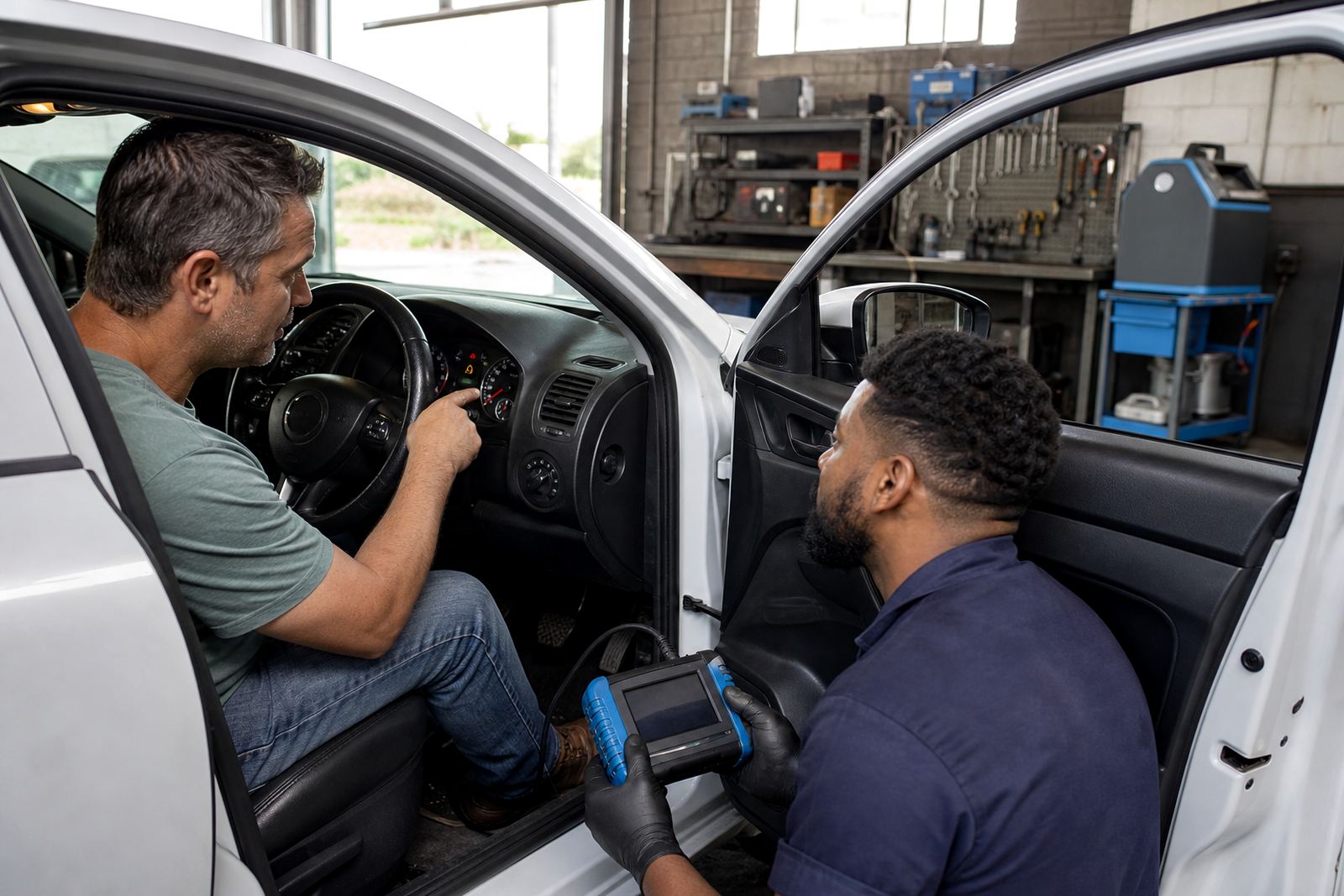
Our workshop handles dashcam fitting alongside diagnostics and auto electrical work, so we can check related issues such as battery drain, charging health and earth faults when the vehicle calls for it. That matters when a camera is being added to a system that already has accessory wiring, trackers or extra lighting in place.
- Private cars usually benefit from a tidy, low-visibility install.
- Fleet units may need stronger cable protection and clearer access for maintenance.
- Older vehicles may need electrical checks before any accessory is added.
- Any sign of existing wiring damage should be sorted before fitment.