
Start With The Story The Fault Is Telling
Wiring damage rarely starts with a dramatic failure. More often it shows up as an intermittent light, a window that works only sometimes, a starter that clicks, or a fault code that returns after clearing. On vehicles around Montague Gardens, Milnerton and Bellville, corrosion, heat, vibration and old repairs are common causes. A good diagnosis begins with the symptom, then follows the circuit from power source to load and back through the earth path.
Before any repair, ask whether the problem is in the wiring itself, the connector, a fuse box cavity, an earth point, or the component drawing too much current. That question matters because replacing a visible damaged section without checking the rest of the circuit can leave the fault alive under tape and loom wrap. On fleet vehicles, trailer plugs, accessory wiring and aftermarket tracker wiring deserve extra attention because they often share space with factory looms.
Questions Worth Asking Before The First Cut
When a workshop looks at loom damage, the right questions reveal how deep the fault goes. Was the wire chafing against bodywork, crushed by a bracket, soaked by water, or overheated near a charging cable or starter lead. Has the circuit already been bypassed, twisted, soldered, or patched with tape in more than one place. Does the fault return when the vehicle turns, brakes, idles, or hits a bump.
- Which circuit is affected, and what else shares that feed.
- Was the wire damaged by rubbing, heat, corrosion, rodents, or poor routing.
- Are there signs of previous joins, sharp bends or loose clips.
- Has the battery and charging system been tested before the repair starts.
- Were fault codes, live data and fuse readings checked together.
Vague answers usually mean more testing is needed first. A proper diagnostic process uses OBD fault codes, voltage drop checks, continuity testing and visual inspection in the same plan. That is how a technician tells the difference between a broken conductor, a bad earth, a corroded terminal and a module problem on CAN bus related circuits.
What A Sound Wiring Repair Should Include
A neat repair is not only about making the circuit work again. It should restore conductor size, joint strength, insulation, routing and support. On an auto electrical job, the damaged section is usually cut back to clean copper, then repaired with the correct join method for the location. A harness near the engine bay needs better heat protection than one inside the cabin, and a trailer wiring repair needs stronger strain relief because movement and moisture are part of the job.
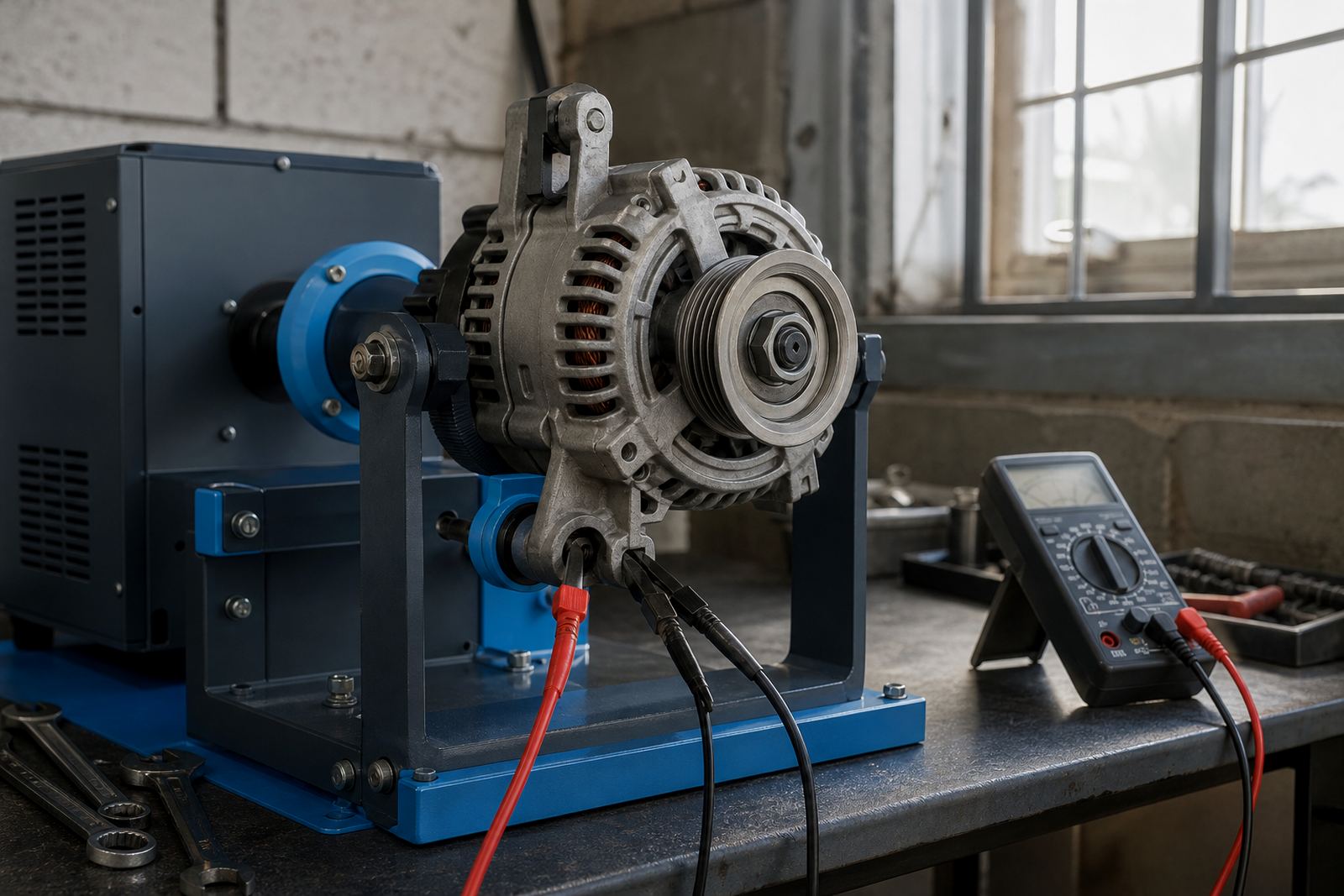
Good practice also means checking the load on the circuit. If a fuse keeps opening or a wire is hot to the touch, the fault may be downstream and the repair must address the cause, not only the symptom. Alternator output, battery condition, starter current draw and earth health all affect how wiring behaves under load. In the Western Cape, coastal humidity can turn a small connector issue into a recurring fault if it is left open or poorly sealed.
- Wire size matches the circuit load and factory standard where possible.
- Joins are mechanically secure before insulation is added.
- Heat-shrink, loom wrap or conduit suits the location.
- Cables are clipped away from sharp edges and moving parts.
- Fuses, relays and earth points are tested, not assumed.
Protective Finishing That Keeps The Fault From Returning
The final wiring finish matters as much as the repair itself. After the circuit is restored, the loom should be routed so vibration does not work the joint loose. Where the area sees water spray or dust, the repaired section needs proper sealing and support. In a workshop setting, this is where many jobs are won or lost because a quick wrap can trap moisture while a careful finish keeps the section dry and secure.
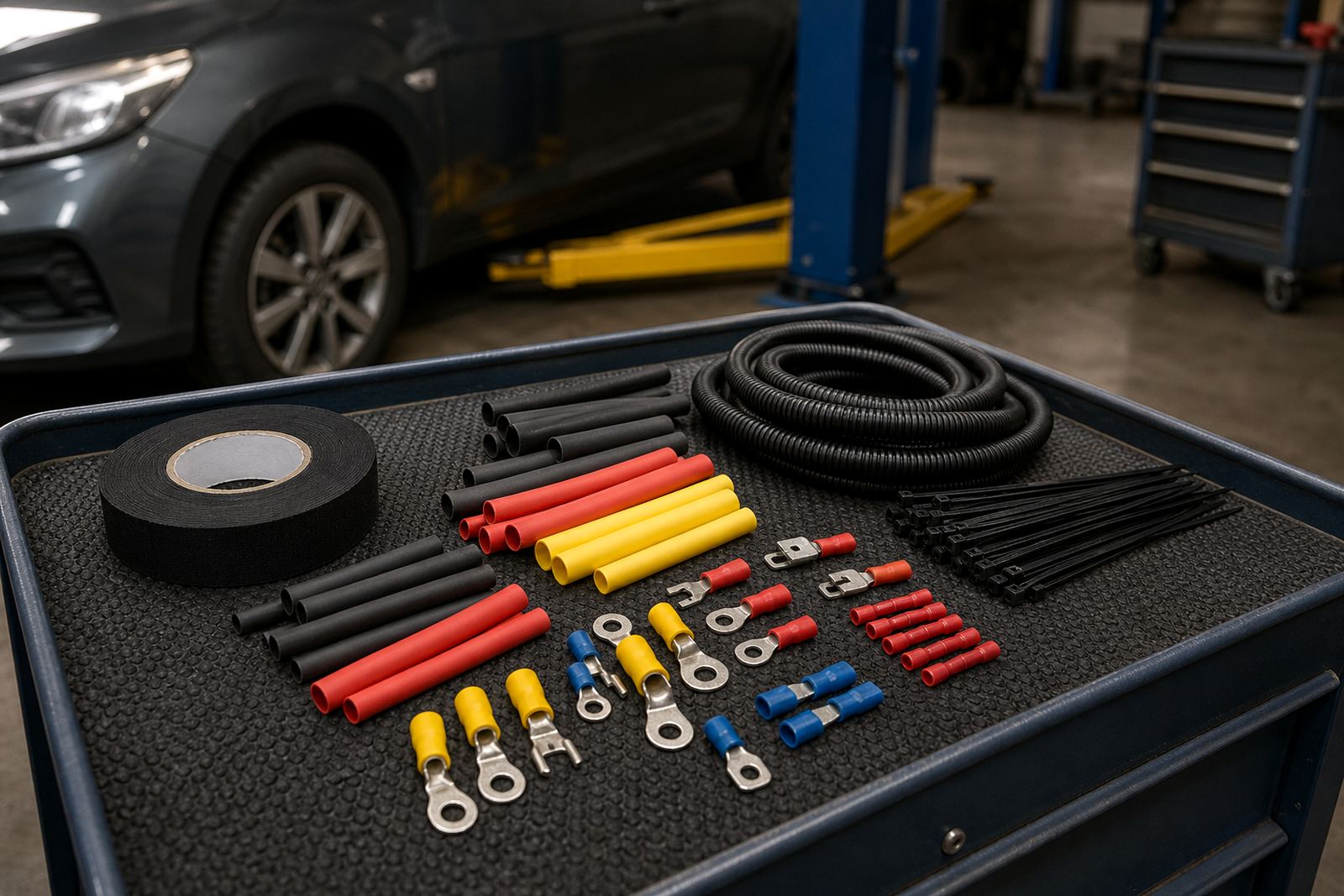
Ask how the repaired area will be protected against heat, rubbing and water entry. Will the technician use split conduit, cloth tape, braided sleeve or heat-resistant wrap in the right place. Will the connector be cleaned, re-pinned or replaced if the terminals have lost tension. Will the earth point be cleaned back to bare metal and resecured with the right contact pressure. A tidy finish should also leave the next technician able to trace the circuit without stripping half the vehicle apart.
Signs The Repair Was Done Properly
A correct repair should feel boring in the best possible way. The light stays steady, the starter cranks normally, the battery test passes, and the fault code does not return during a road test or idle check. On a fleet vehicle, the driver should not have to jiggle a connector or wait for the vehicle to settle before the fault disappears. If the original complaint came from a parasitic drain, the resting current should be checked again after the repair to confirm the battery is not being flattened overnight.
Look for these signs after the job:
- The repaired circuit is routed cleanly and clipped in place.
- No bare copper, twisted strands or soft tape joins are left exposed.
- The fuse rating still matches the circuit.
- The vehicle starts, charges and idles without new warning lights.
- Accessory or tracker wiring is separated from sensitive sensor lines where possible.
When A Wiring Fault Needs More Than A Single Patch
Some wiring problems keep growing because the cause sits elsewhere. A failing alternator can push abnormal voltage into a circuit. A weak battery can make modules behave erratically. A poor earth can trigger false codes across several systems at once. On some vehicles, CAN bus faults point to corrosion, damaged twisted pairs or a connector issue that affects communication between control units. In those cases, patching one wire may solve only a small part of the picture.
At V-Auto in Montague Gardens, our team handles wiring repairs alongside starter repairs, alternator repairs, battery drain checks and charging system testing. That matters when the fault crosses from one system into another, especially on vehicles used for delivery work, family transport or mobile fleets across Cape Town, Somerset West and Paarl. If a loom has been damaged by rubbing, water entry or a loose aftermarket fitment, the repair should be checked against the rest of the circuit before the vehicle leaves the bay.