Fleet car fault lights that would not stay away
The vehicle belonged to a local fleet operator working around Brackenfell and the northern suburbs, with one car showing recurring warning lights that pointed to more than a single stored code. The driver had already noticed uneven running and a few start up quirks, so the brief was to find the real source rather than clear the dash and send it out unchanged.
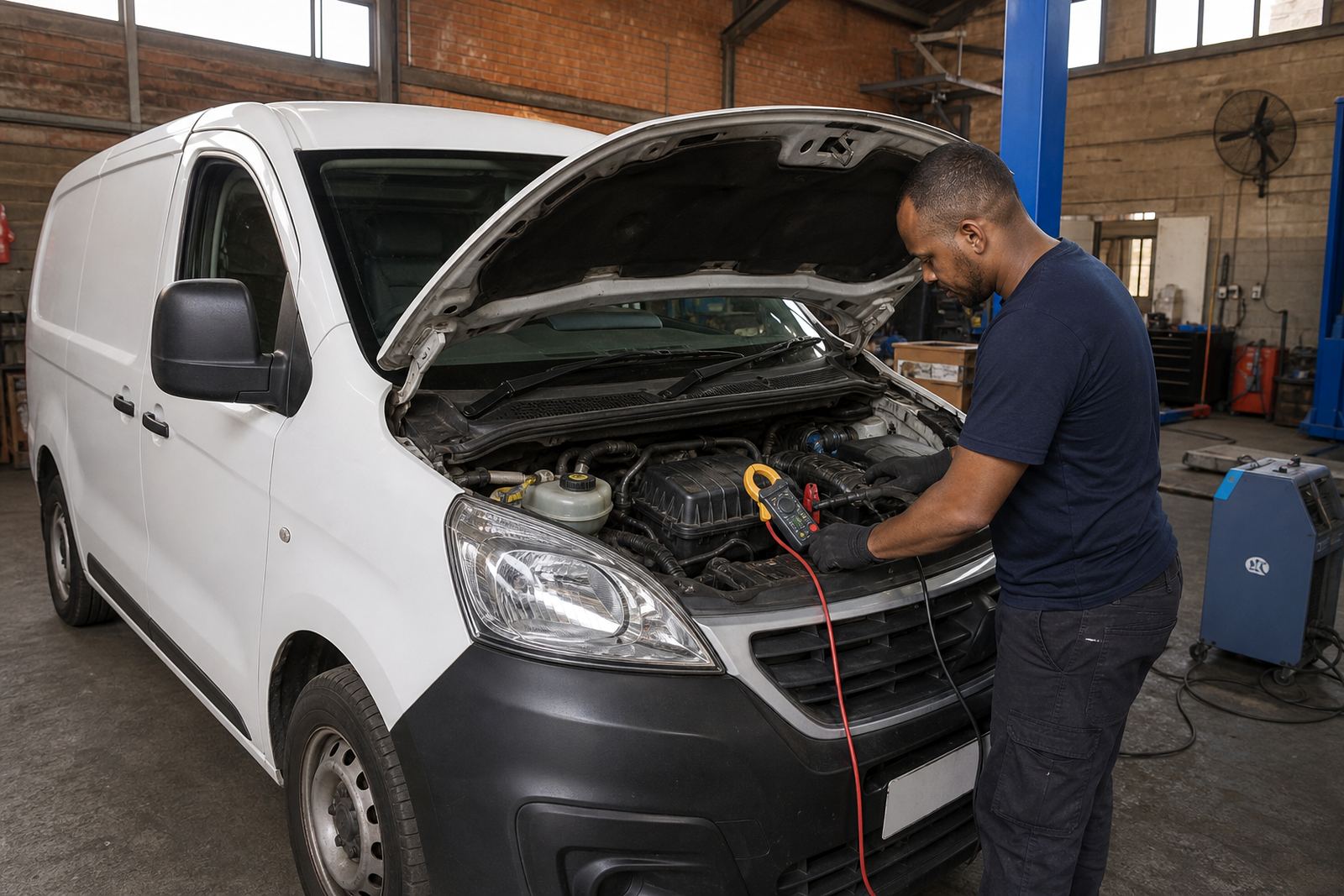
We started with OBD fault code reading, then checked live data while the engine idled and under light load. That showed a sensor circuit fault that moved around depending on vibration, which is a common sign of a poor connection, damaged wire or moisture affected plug. On fleet cars, that kind of fault can waste hours if the wiring is not tested properly.
- Vehicle type: fleet passenger car used for regular local travel
- Town: Brackenfell, Western Cape
- Main complaint: repeat warning lights and intermittent running faults
- First checks: fault codes, live data, battery health and charging output
Testing that followed the fault
The workshop process had to be careful because the fault was intermittent and appeared only when the harness moved. We tested the battery, alternator output, earth paths and charging stability before opening the loom. That ruled out a weak supply as the root cause and kept the focus on the sensor circuit and its connectors.
Once the affected section was exposed, we found chafing near a connector and a contact point that had corrosion inside the plug body. The pins were not making steady contact, so the signal would drop out and trigger the dashboard warning. The repair plan was simple enough on paper, but it needed steady hands and proper reassembly to prevent a second fault.
- Battery test completed before deeper diagnostics
- Charging system checked for stable output under load
- Earth fault testing carried out at the relevant circuit
- Harness section opened only where the readings pointed
Repairing the connector and cleaning up the circuit
Ridwaan handled the auto electrical repair work in the bay, while Anele took the diagnostic readings through each step. The damaged connector was repaired, the affected wiring was reworked, and the contact faces were cleaned and secured. Where the loom had rubbed, the section was protected so the wire would not move against the same edge again.
We also checked nearby circuits that share reference signals and ground paths, because a weak earth or a shared feed can make a second system look faulty. On modern vehicles, small faults in one part of the harness can show up as warning lights in another system, especially when the car has seen a lot of stop-start use.
- Connector repaired and contact surfaces restored
- Wiring section repaired and secured against movement
- Neighbouring earth and feed points checked for cross effects
- Sensor signal monitored after the repair was completed
What the workshop kept an eye on after repair
After the main fault was fixed, the car was driven through a few operating conditions so we could watch live data and confirm the warning lights stayed off. We also checked starter circuit draw and charging performance again, because fleet vehicles need dependable starting and steady battery support in daily use. The final check was about consistency, not only about clearing the code.
The fault had been present long enough to create doubt in the system, so we made sure the stored codes were cleared, the signal stayed stable and no related messages returned during testing. For a fleet unit, that matters because one unreliable car can disrupt a full rotation schedule and create extra workshop admin.
- Live data reviewed under idle and light road load
- Starter and charging checks repeated after the repair
- Fault memory cleared and rechecked for return codes
- Vehicle released only after stable operation was confirmed
Mobile support versus workshop work on this job
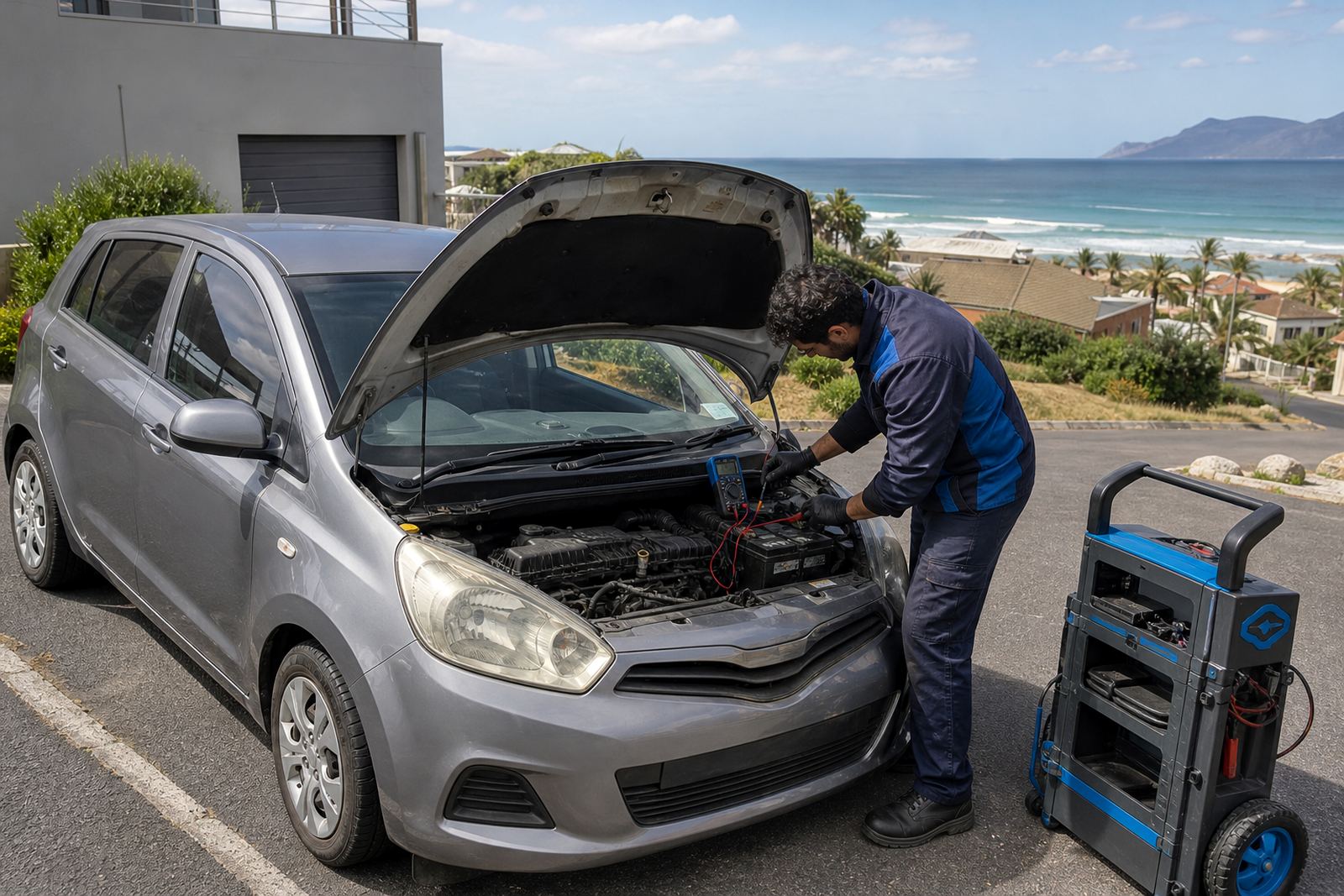
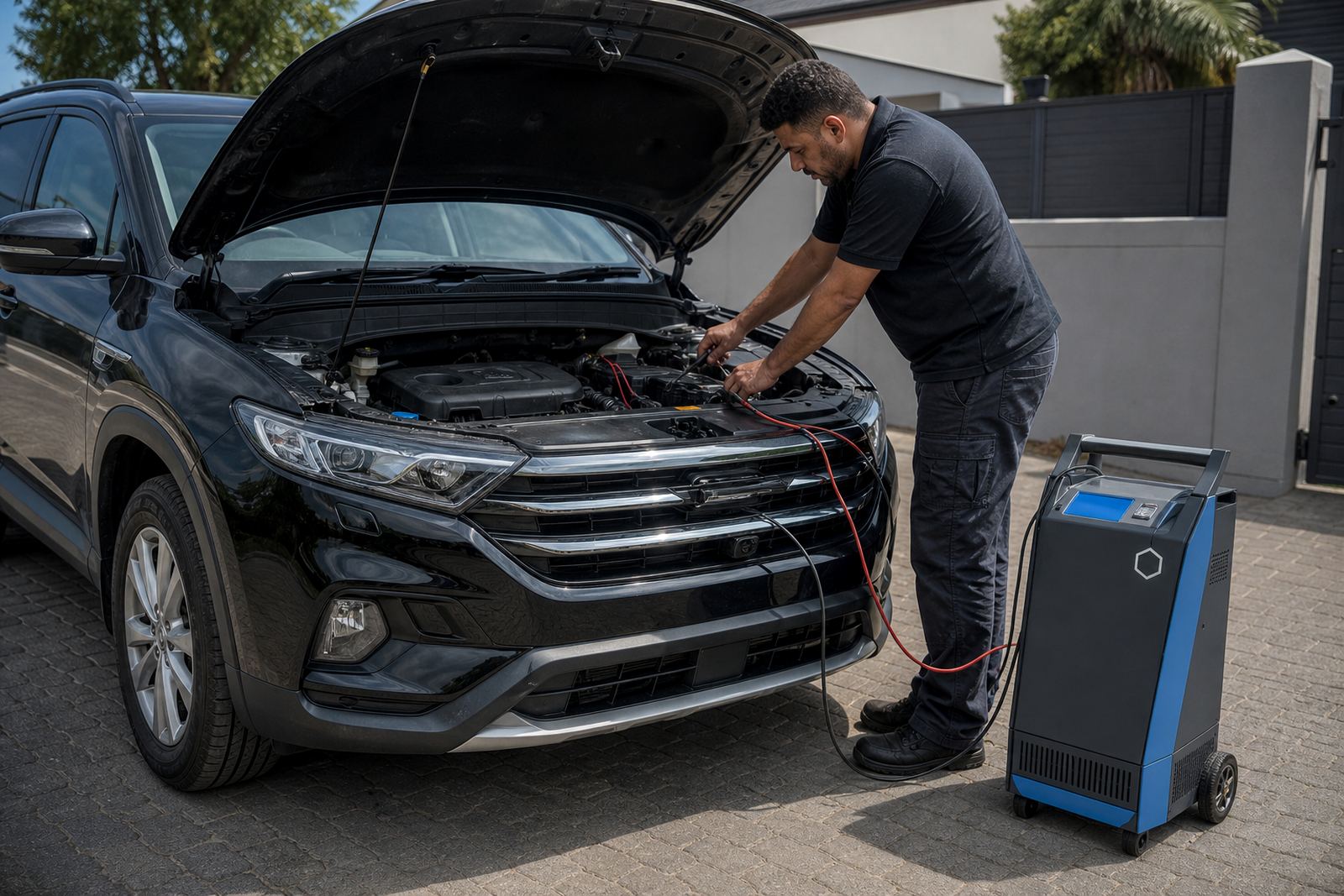
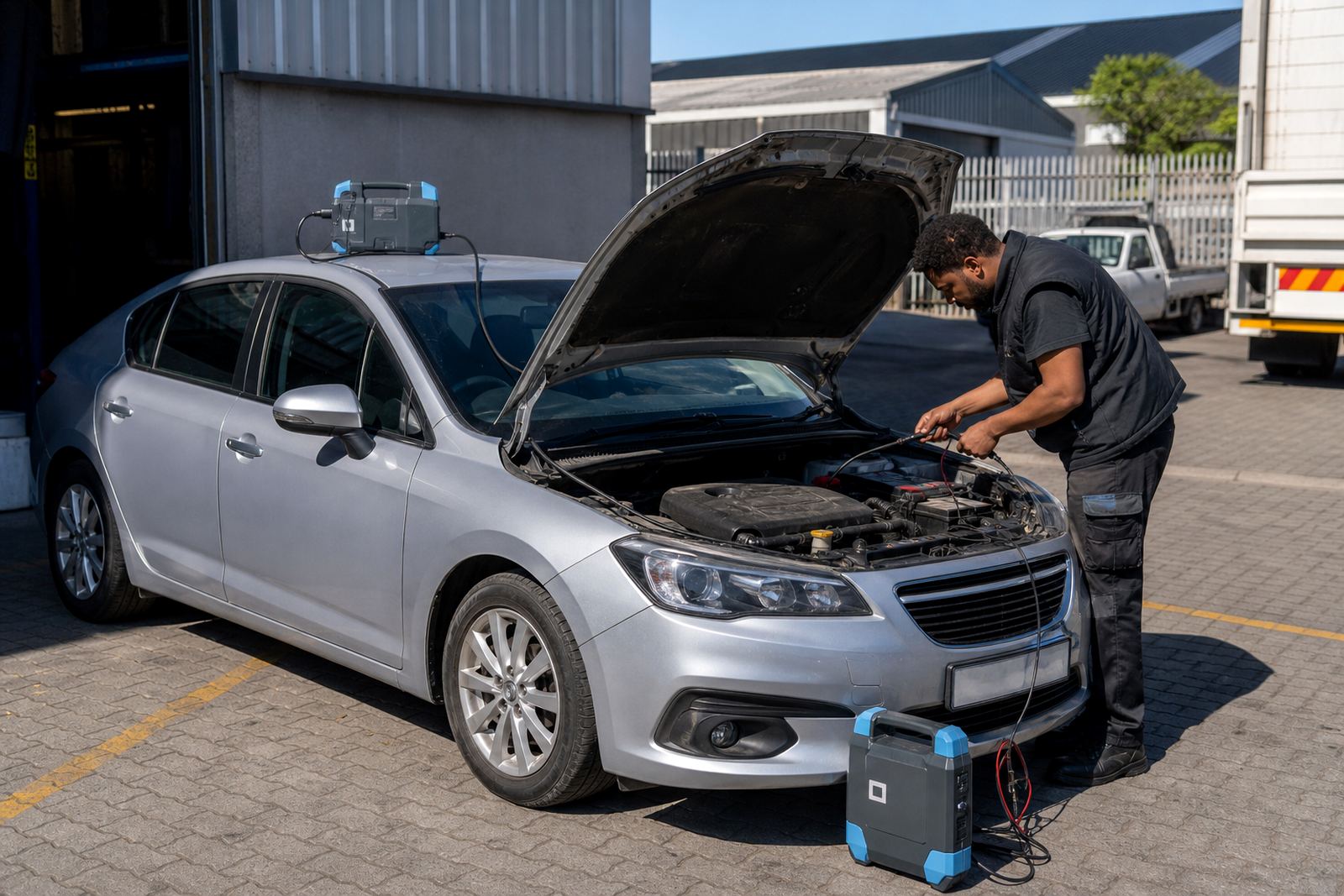
This repair was best handled in the Montague Gardens workshop because the fault needed open access to the loom, connector testing and repeat checks with proper tools. Some fleet faults can be traced on site in Brackenfell, especially battery drain issues, lighting faults or basic charging checks, but a circuit that shifts with vibration is usually better contained on the bench.
Megan kept the booking and handover notes in order, which helped the team match the symptoms with the readings. For fleet owners that kind of record makes later faults easier to compare, particularly when several cars share the same route, same driver habits and similar service patterns.
- Workshop repair preferred for connector and loom access
- Mobile call-out remains suitable for simpler checks
- Booking notes kept the fault history clear
- Shared fleet symptoms can be compared across vehicles
What stayed useful after the warning lights were gone
By the end of the job, the car was starting cleanly, charging correctly and showing stable sensor readings. The repeat warning lights were gone, and the repaired section no longer reacted to movement in the harness. That gave the fleet operator a vehicle that could return to regular use without the same fault cycle resurfacing over and over.
What we would do on a similar Brackenfell fleet car is start with the data first, then open the loom only where the readings point. That keeps the repair focused, saves time on false leads and gives a clearer answer when the fault sits inside a connector or a worn wire.
- Warning lights no longer recurred during final checks
- Sensor readings stayed steady after repair
- Charging output and starting behaviour remained normal
- Fault tracing stayed targeted
Key facts
| Project type | Fleet car diagnostics and auto electrical repair |
|---|---|
| Town | Brackenfell, Cape Town |
| Workshop base | Montague Gardens, Cape Town |
| Core fault | Repeated warning lights from a sensor circuit issue |
| Repair carried out | Connector repair and wiring section restoration |
| Timeline | Completed over 1 week from intake to final testing |