A Muizenberg car with a battery that would not stay up
The owner described a vehicle that would start cleanly after a charge, then lose battery level while parked for a day or two. That pattern usually points away from the battery itself and towards a parasitic drain, which means current is still being drawn when the car should be resting.
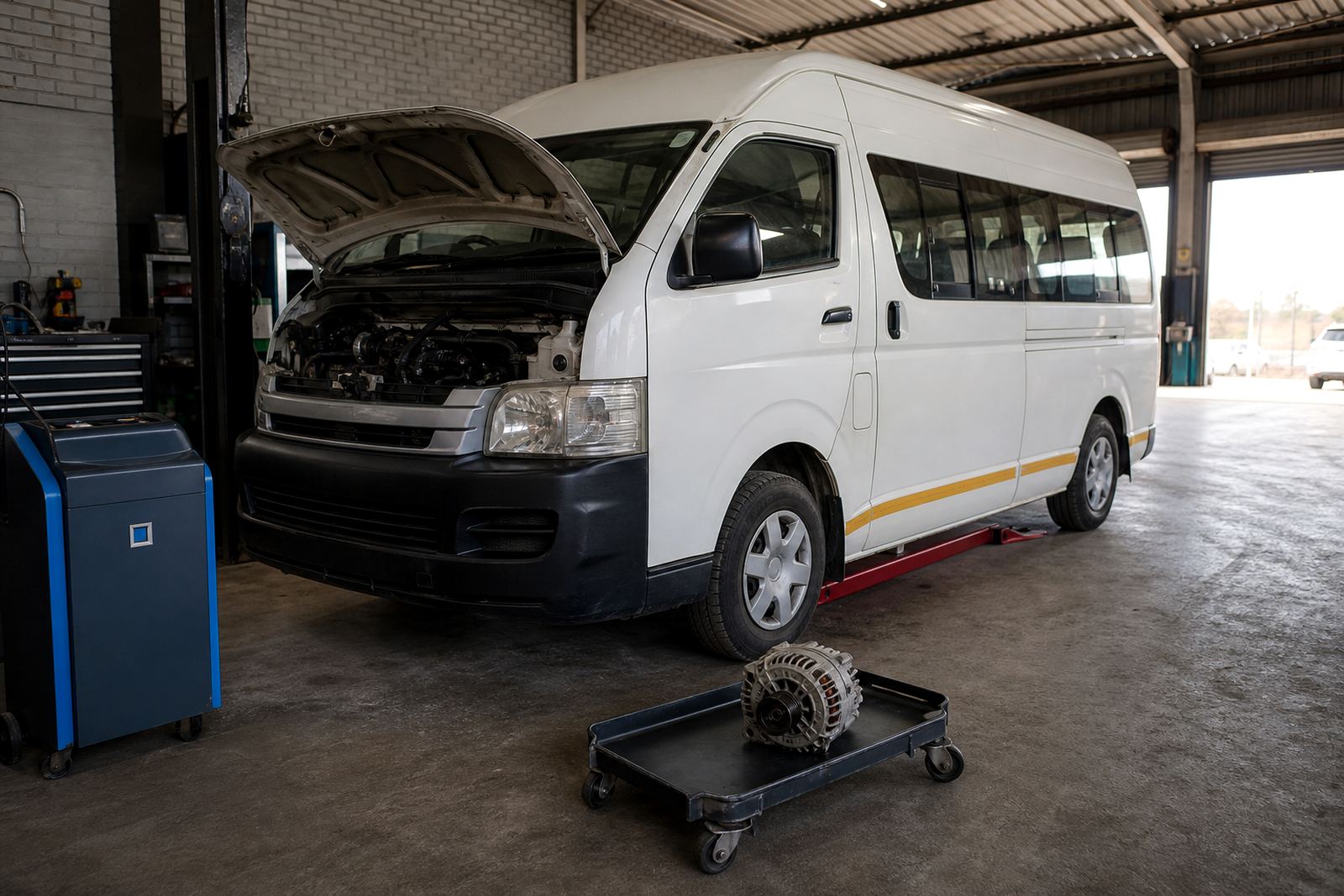
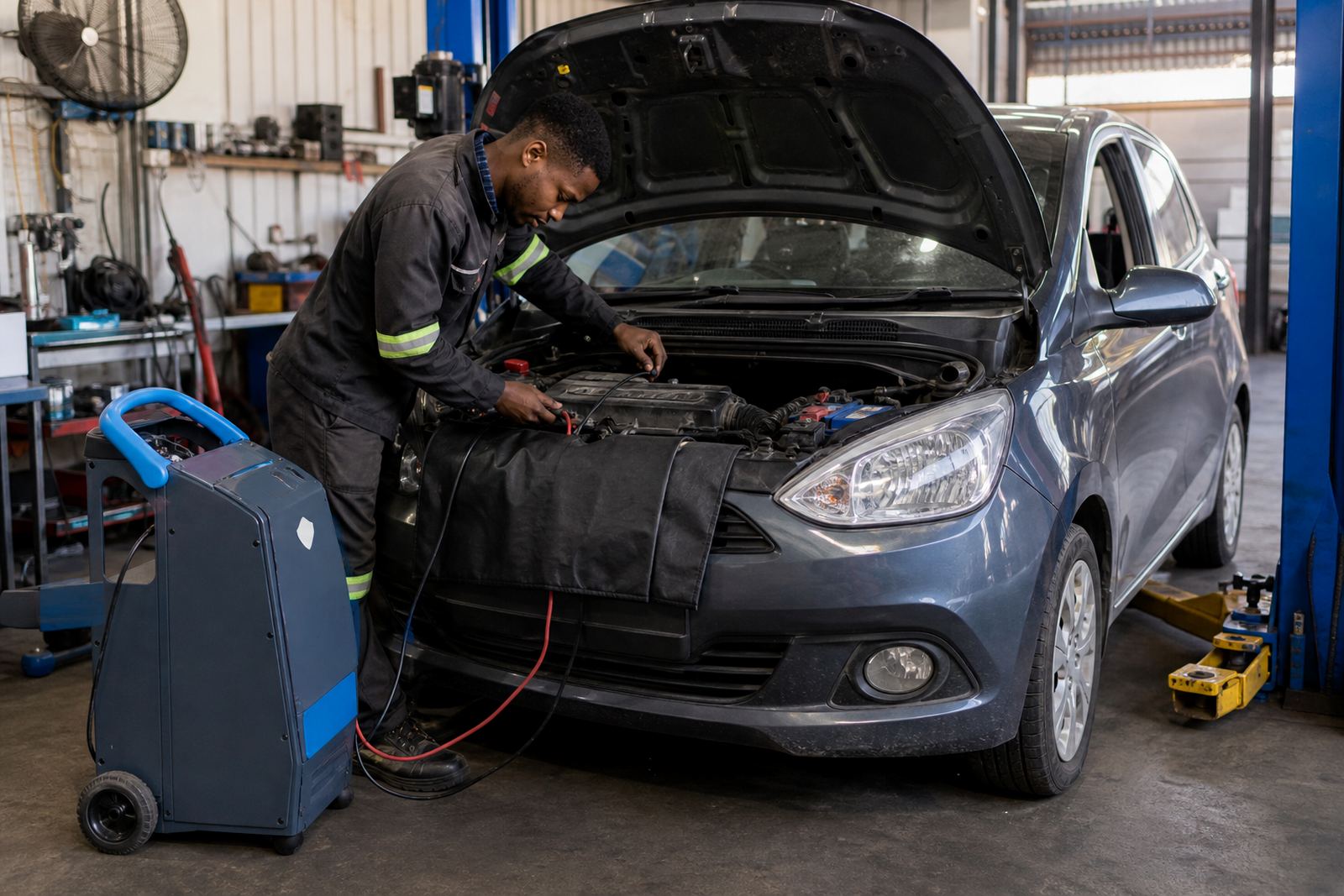
The brief was straightforward, but the diagnosis needed patience. The vehicle had extra accessories fitted earlier, and the owner wanted the fault found without replacing parts that were still serviceable. We booked the car into our Montague Gardens workshop and began with battery condition checks, charging system testing and a current draw measurement at rest.
- Vehicle type: private passenger car
- Town: Muizenberg, Cape Town
- Problem pattern: repeated battery drain after standing
- Likely area of concern: accessory wiring and resting current draw
Finding the drain without guessing
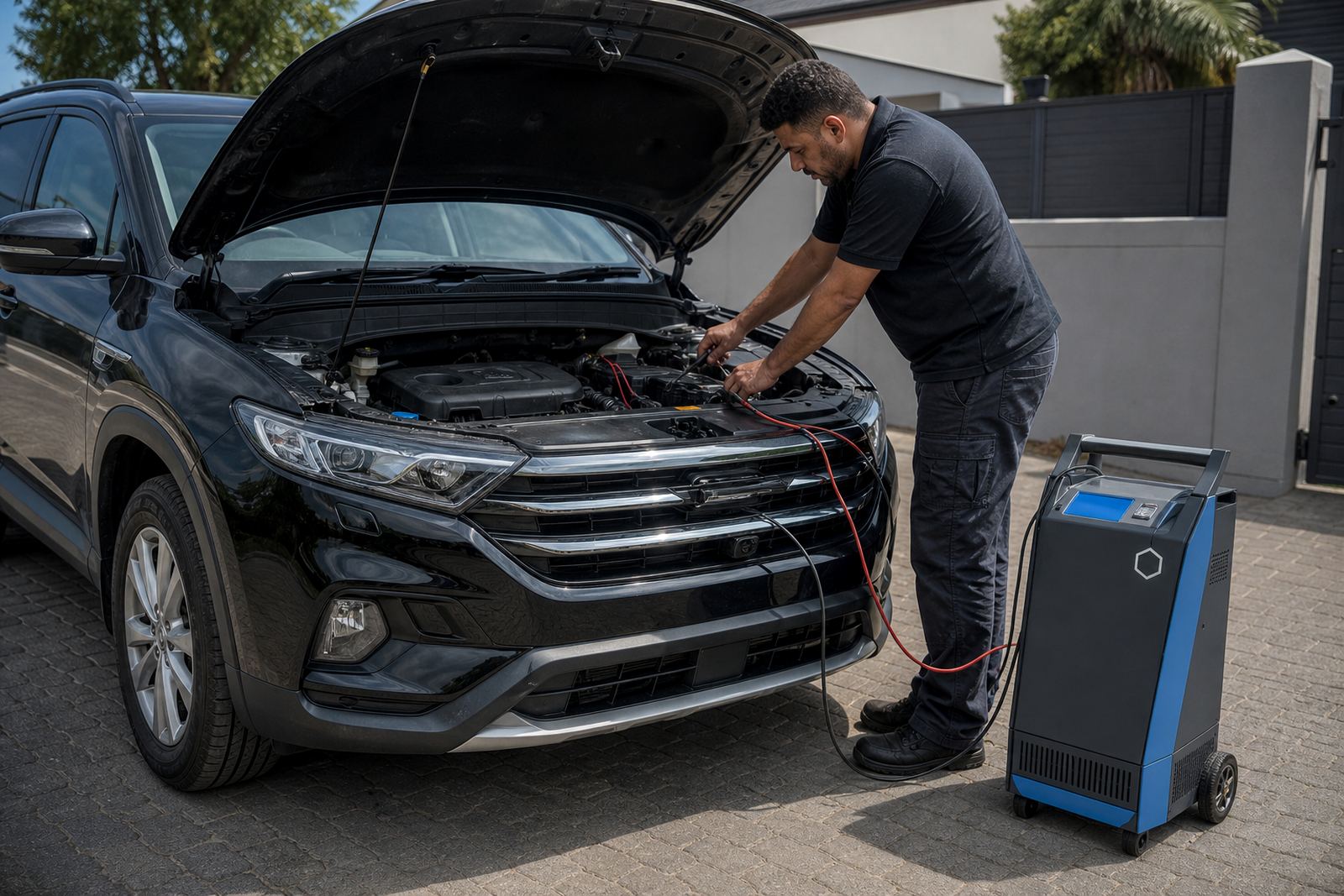
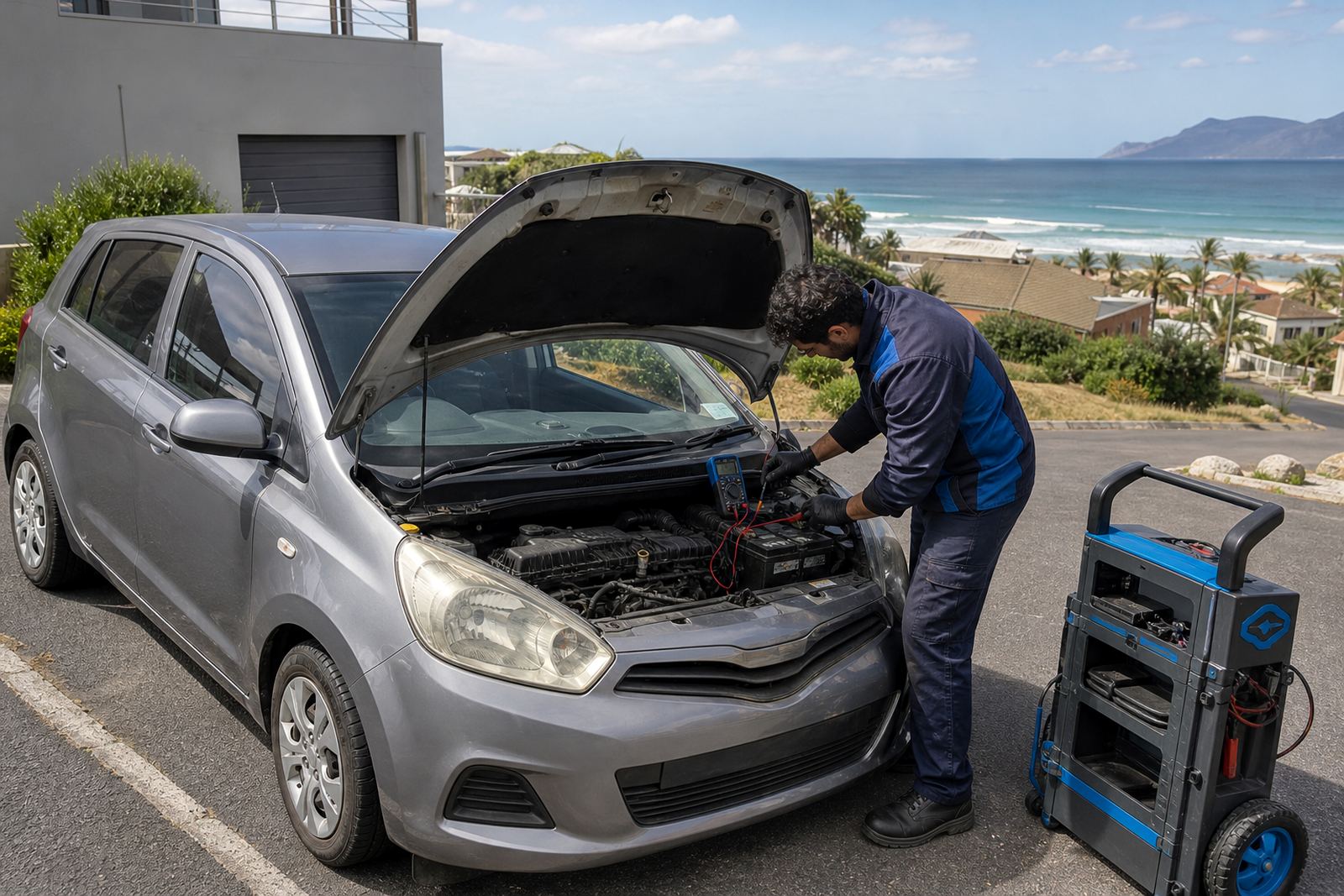
We worked from the battery outward. First we checked the battery state of health and alternator output, then moved to the fuse box and accessory circuits. Once the vehicle was allowed to sleep, the parasitic draw stayed higher than it should have been, which told us the fault was active even with the ignition off.
From there, the search narrowed to the accessory wiring that had been added to the car. The cable route and the way the feed had been tapped into the system did not sit well with the rest of the vehicle wiring. In this kind of job, small faults matter, because a poor connection or wrong feed point can keep a module awake and flatten the battery overnight.
- Battery and charging tests completed first
- Parasitic drain measured with the vehicle at rest
- Accessory feed and earth path checked line by line
- Fuse protection reviewed against the circuit layout
Repairing the wiring fault and cleaning up the circuit
Once the source was identified, we corrected the accessory wiring so it no longer held the circuit open when the car was parked. That included reworking the feed, improving the earth path and tidying the layout so the accessory load sat where it should. We also checked for heat marks, loose joins and any secondary damage that might have come from the drain running for too long.
After the repair, we repeated the current draw test and confirmed the resting draw had dropped to a normal level. The battery was no longer being pulled down by a hidden load, and the charging system was still performing as expected. This was not a case of swapping parts until the fault disappeared. It was a wiring issue, so the fix had to be in the wiring.
- Accessory wiring repaired and secured
- Earth fault risks checked and reduced
- Resting current re-tested after repair
- Charging output confirmed after the fix
What the workshop handled on this job
Our team in Montague Gardens managed the full fault-finding process in-house. Anele handled the diagnostic work, Ridwaan carried out the electrical repair, and Megan kept the booking flow and vehicle movement organised while the car was with us. Where needed, Vuyani reviewed the repair path so the final result matched the original fault and not just the symptoms.
The job sat comfortably within the kind of work we see on private vehicles and fleet units alike: battery drain testing, accessory rewiring, starter and alternator checks, fuse box tracing and earth fault repair. On some vehicles the issue hides in a CAN bus related module, but on this one the answer was simpler and more mechanical, which made the result quicker to verify once the circuit was corrected.
- Workshop base: Montague Gardens, Cape Town
- Repair type: auto electrical fault tracing
- Main system checked: accessory feed and battery drain path
- Secondary systems confirmed: alternator, battery and earths
Turnaround across the job in weeks
The work was carried out across a short multi-step window rather than rushed in a single visit. The first stage covered diagnosis, the second stage covered the wiring correction, and the final stage was the post-repair test drive plus electrical retest. That approach suits faults like this, because a drain can hide if the car is not left standing long enough between checks.
By the end of the job, the owner had a car that could stand overnight without dropping voltage from an unseen accessory load. The battery no longer needed frequent rescue charging, and the vehicle was ready for normal use again. For private owners in Muizenberg and surrounding suburbs, that kind of fault can be frustrating because it feels random until the circuit is properly tested.
- Week 1: diagnostic testing and current draw measurement
- Week 2: accessory wiring repair and verification
- Final step: repeat tests and road check
If the same fault landed on our benches again
We would start the same way with battery health, charging output and resting draw, then move straight to the added accessories and the earth path. A parasitic drain is often blamed on the battery first, but the wiring behind the battery tells the real story more often than not. That is where the test gear and the technician’s reading of the circuit matter.
For a private vehicle with added accessories, we would also check the fuse protection, the quality of each join and whether the feed is taking current from the right point in the system. If a vehicle has starter issues, alternator trouble or unexplained flat batteries, our workshop handles those repairs too, and mobile call-outs are available across Cape Town, Bellville, Milnerton, Somerset West, Paarl and nearby routes when the job calls for it.
- Best next step: confirm battery state and current draw
- Most important check: accessory feed and earth integrity
- Useful follow-up: retest after the vehicle stands overnight
Key facts
| Project | Muizenberg Private Car |
|---|---|
| Vehicle type | Private passenger car |
| Fault found | Parasitic drain from accessory wiring |
| Main tests | Battery, charging system, resting current draw |
| Repair carried out | Accessory wiring correction and earth path repair |
| Service area | Muizenberg, Cape Town |
| Workshop base | Montague Gardens, Cape Town |