The fault pattern that arrived at Montague Gardens
The vehicle was part of a small fleet used for mixed city running, with short trips, stop-start use and a lot of electrical demand from day to day. The driver reported warning lights, intermittent communication faults, and a few odd behaviours that pointed to more than one circuit being unhappy at the same time.
We worked from our Montague Gardens workshop, with the unit brought in for inspection before any parts were ordered. The brief was to keep the diagnosis practical and avoid guesswork, because a fleet SUV can lose too much time when every warning light is treated as a separate problem.
- Vehicle type: fleet SUV used for local business travel
- Area: Century City, Cape Town
- Worksite: Montague Gardens workshop bay
- Fault area: communication, power supply and wiring checks
How we approached the diagnostics without chasing noise
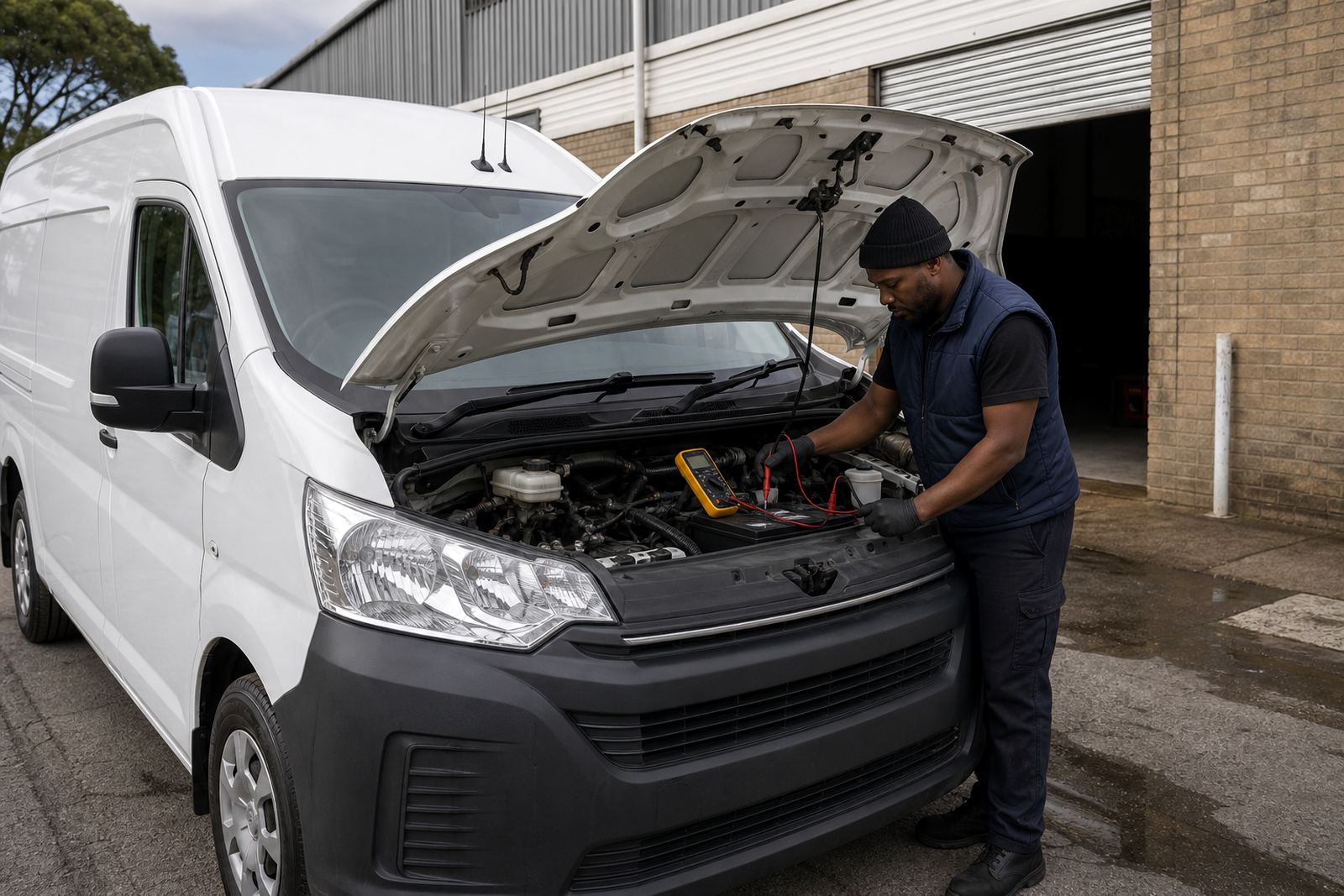
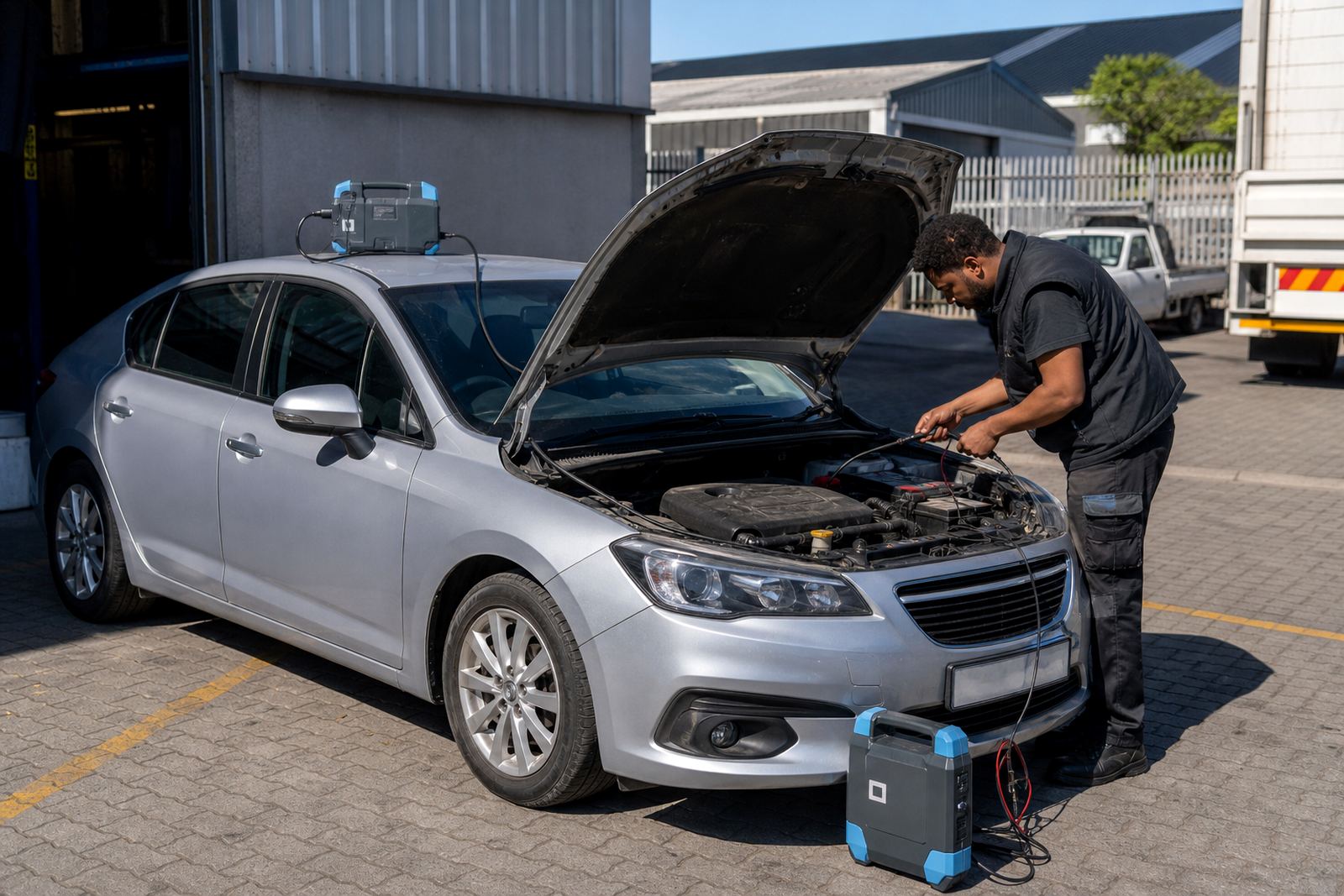
The first step was an OBD scan with live data review, followed by battery and charging tests. That gave us a clearer picture of whether the fault was being created by low supply voltage, a bad earth point, a weak connection at a module, or a deeper network issue on the CAN side.
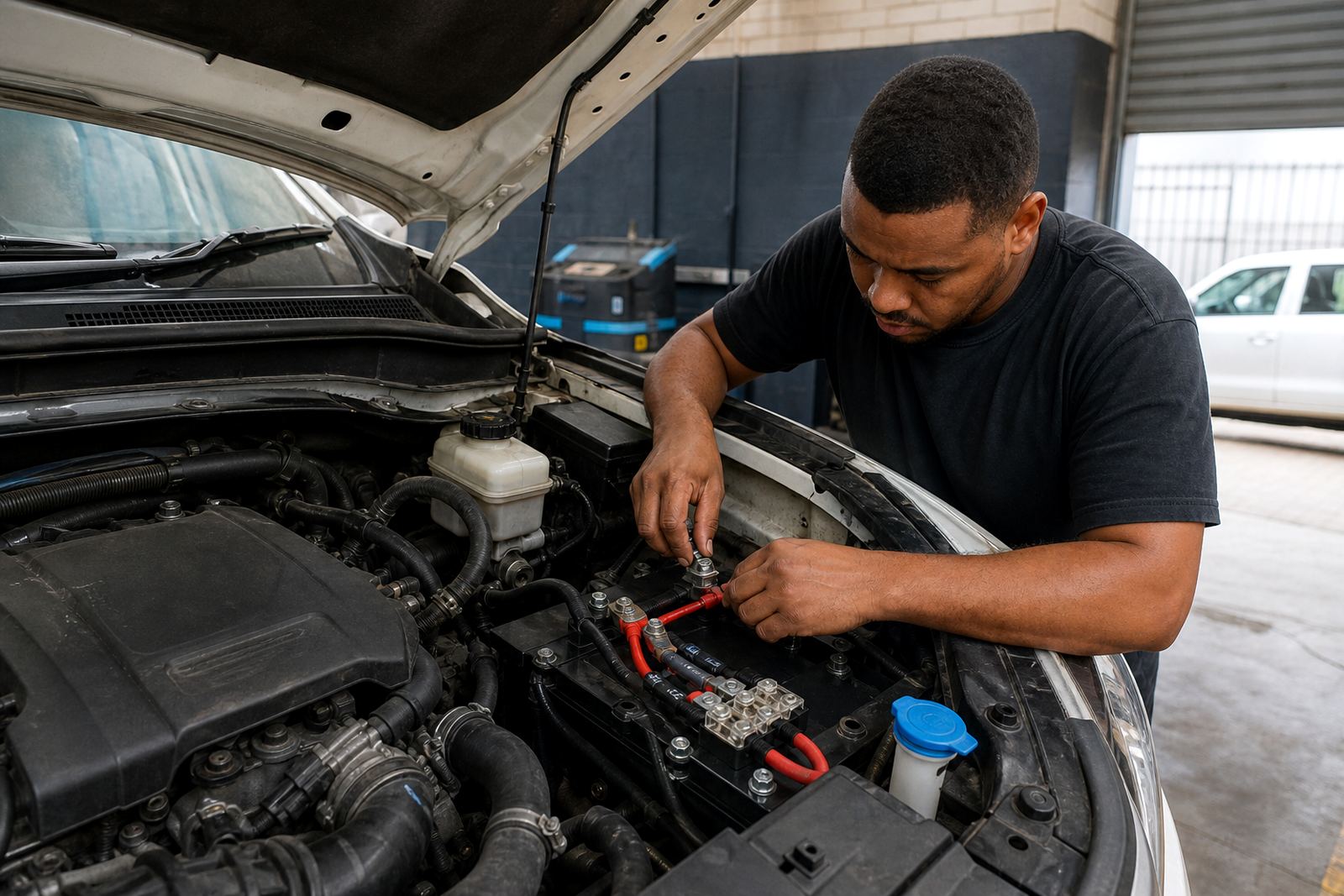
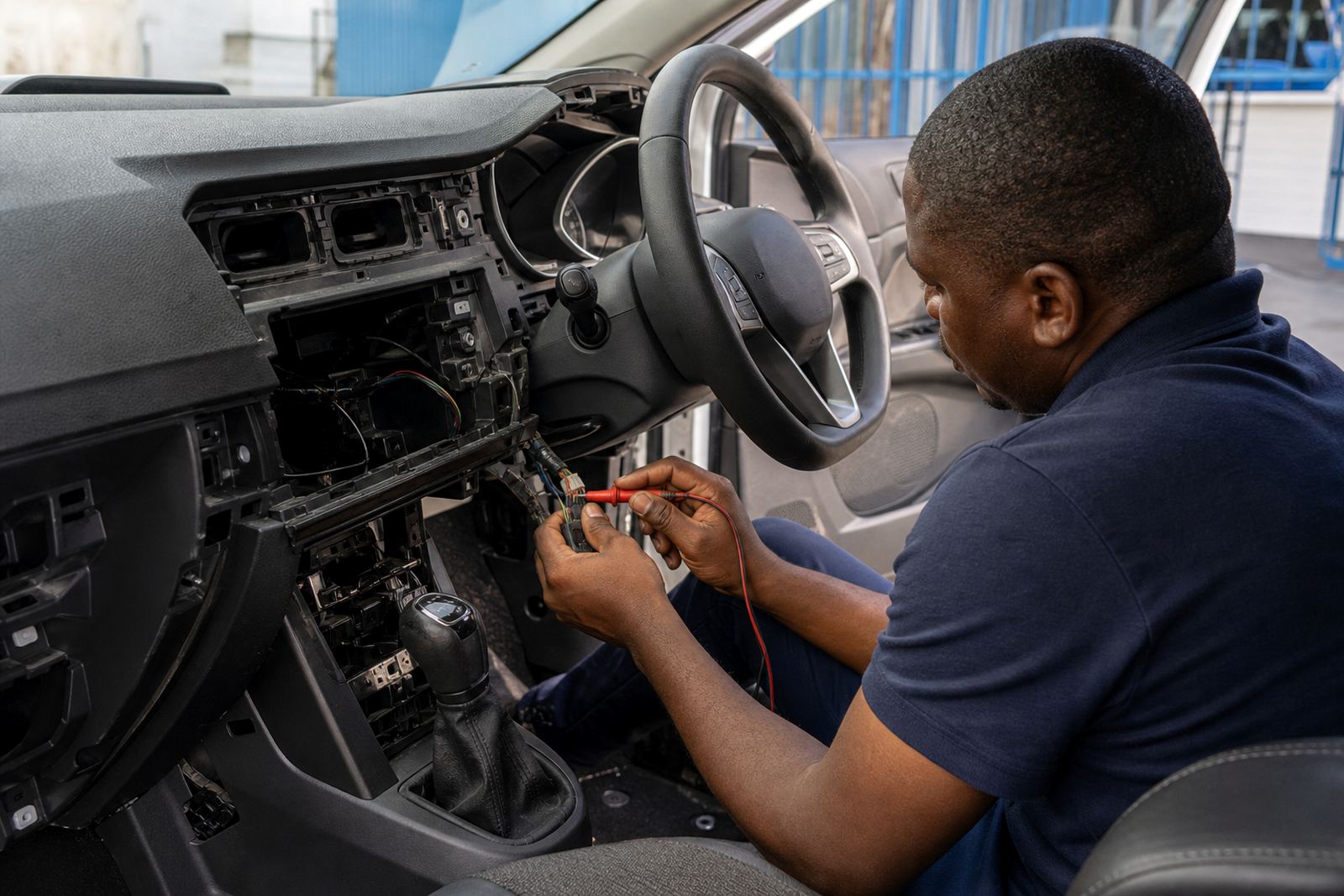
Once the basic supply figures looked worth following, we moved to module power and ground testing. We checked for parasitic drain, then traced the circuit branches feeding the affected units. In jobs like this, a clean voltage reading at the battery can still hide a poor connection further down the loom, and that is where the time usually goes.
- OBD fault codes were read and recorded before clearing any history
- Live data was checked for inconsistent module reporting
- Battery output and charging system performance were measured
- Module feeds, grounds and fuse protection were tested under load
The wiring faults that mattered most
The SUV had a few smaller issues in the harness that were easy to miss at first glance. We found sections where movement and age had affected continuity, plus one or two earth points that were not carrying current as cleanly as they should. None of it needed drama, but each weak point added to the fault picture.
We repaired the damaged wiring, cleaned and secured the earth paths, and checked the related fuse box points for heat or looseness. CAN bus basics matter here: if one node stops speaking properly, or a supply feed drops out under load, the rest of the system can start behaving in ways that look unrelated.
That is why we checked the starter circuit too, even though it was not the main complaint. A vehicle with mixed electrical symptoms often has one hidden supply issue that touches several systems at once, and it makes sense to test the obvious branches before signing off the job.
What we supplied for this fleet unit
The workshop work covered diagnosis, wiring correction and the verification work needed to hand the SUV back with fewer unknowns. No accessories were fitted on this visit, but we did confirm the existing tracker and accessory circuits were not interfering with the fault traces.
For this sort of fleet vehicle, a tidy electrical repair matters more than a quick reset. The owner needed confidence that the communication fault was not just being hidden for a short run around town, and that the charging side would keep the battery healthy over repeated trips.
- Fault code readout and live data inspection
- Battery drain and charging system checks
- CAN bus fault tracing at module level
- Earth fault and wiring repair work
- Starter circuit verification
- Fuse box and supply point inspection
Timing, handover and road use after the repair
The job moved through the workshop over two weeks, with the first part spent on diagnosis and the second on repair, retesting and road-use verification. That split was useful because it let us isolate the cause before opening up more than necessary.
After the repairs, the SUV was checked again for fault codes, supply stability and any repeat communication errors. The electrical system settled properly under normal use, and the client could put the unit back into the fleet rotation without the same dash warnings interrupting daily driving. It was the kind of result that depends on testing the whole circuit, not just the nearest broken wire.
What we would do on a fleet diagnostics job
On a similar case, we would still start with the battery, charging system and module power supply before chasing communication faults across the vehicle. That order saves time and keeps the diagnosis grounded in the parts most likely to disturb the rest of the system.
We would also keep the loom inspection and earth testing in the front of the job, because many fleet faults show up as network problems when the real issue is a poor feed or a weak return path. For mixed-use SUVs working in Cape Town traffic, that approach tends to give a clearer path to repair and a cleaner handover.
When the warning lights are only part of the story, the best result comes from tracing the current first and reading the codes second. That was the result here, and we would follow the same order on the next SUV in our workshop.
Key facts
| Project | Century City Fleet SUV |
|---|---|
| Client type | Fleet operator, private-use style SUV |
| Town | Century City, Cape Town |
| Workshop base | Montague Gardens, Cape Town |
| Main fault area | CAN bus communication and module power supply |
| Timeline | 2 weeks |