What a charging test is checking on the vehicle
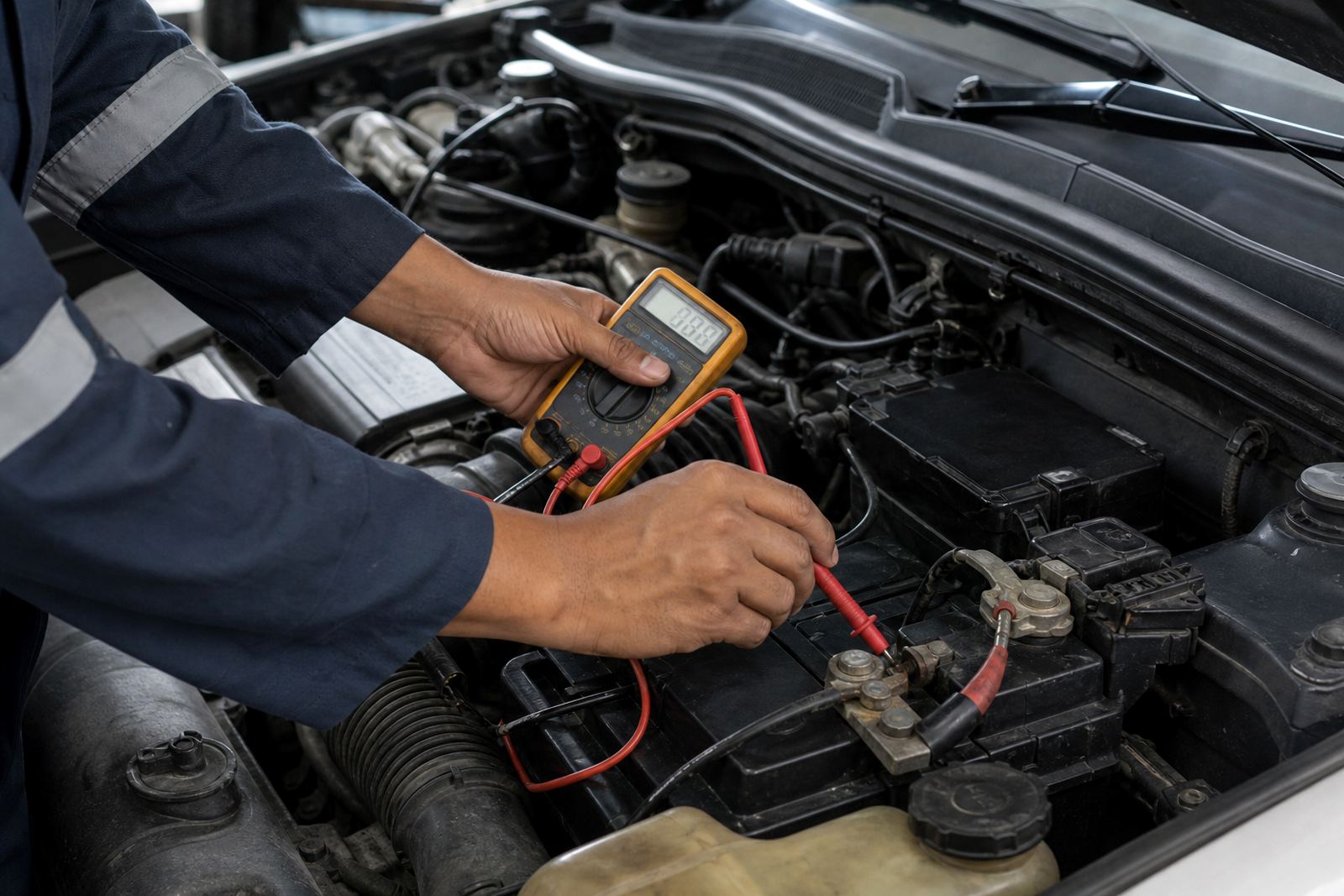
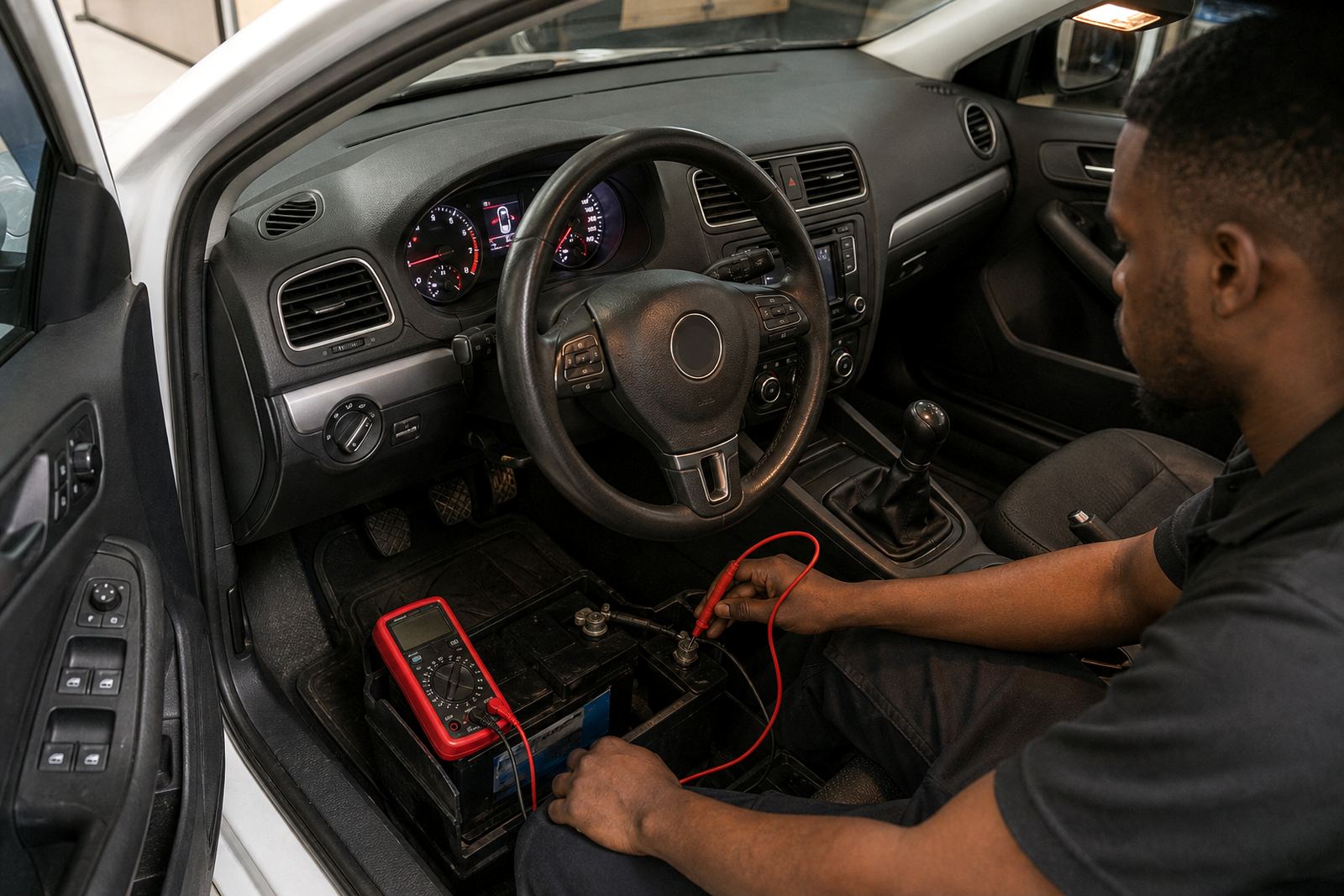
A proper charging test starts with the basics: battery voltage, cranking voltage, alternator output and the health of the cables between them. The goal is to see whether the system can keep the battery charged while lights, fans, infotainment and other electrical loads are working at the same time.
On a healthy system, the alternator should raise voltage once the engine is running and hold it in the correct range for the vehicle. If the reading is weak, unstable or too high, the fault may be inside the alternator, in the wiring, or at a bad earth point that is upsetting the whole circuit.
- Battery at rest and during cranking
- Alternator output at idle and under load
- Cable resistance and earth points
- Voltage drop across the charging path
What fails most often in Cape Town traffic
Short trips, stop-start traffic and humid coastal air all put strain on charging parts. In Montague Gardens and across the Western Cape, we often see vehicles that still start in the morning but struggle later in the day when the battery has not had a full chance to recover.
That pattern can point to a weak alternator, a slipping belt, corroded terminals or a parasitic drain that keeps pulling power after the ignition is off. A quick visual check is rarely enough, because a cable can look fine and still pass poor current through hidden corrosion inside the insulation.
- Loose battery terminals and oxidised clamps
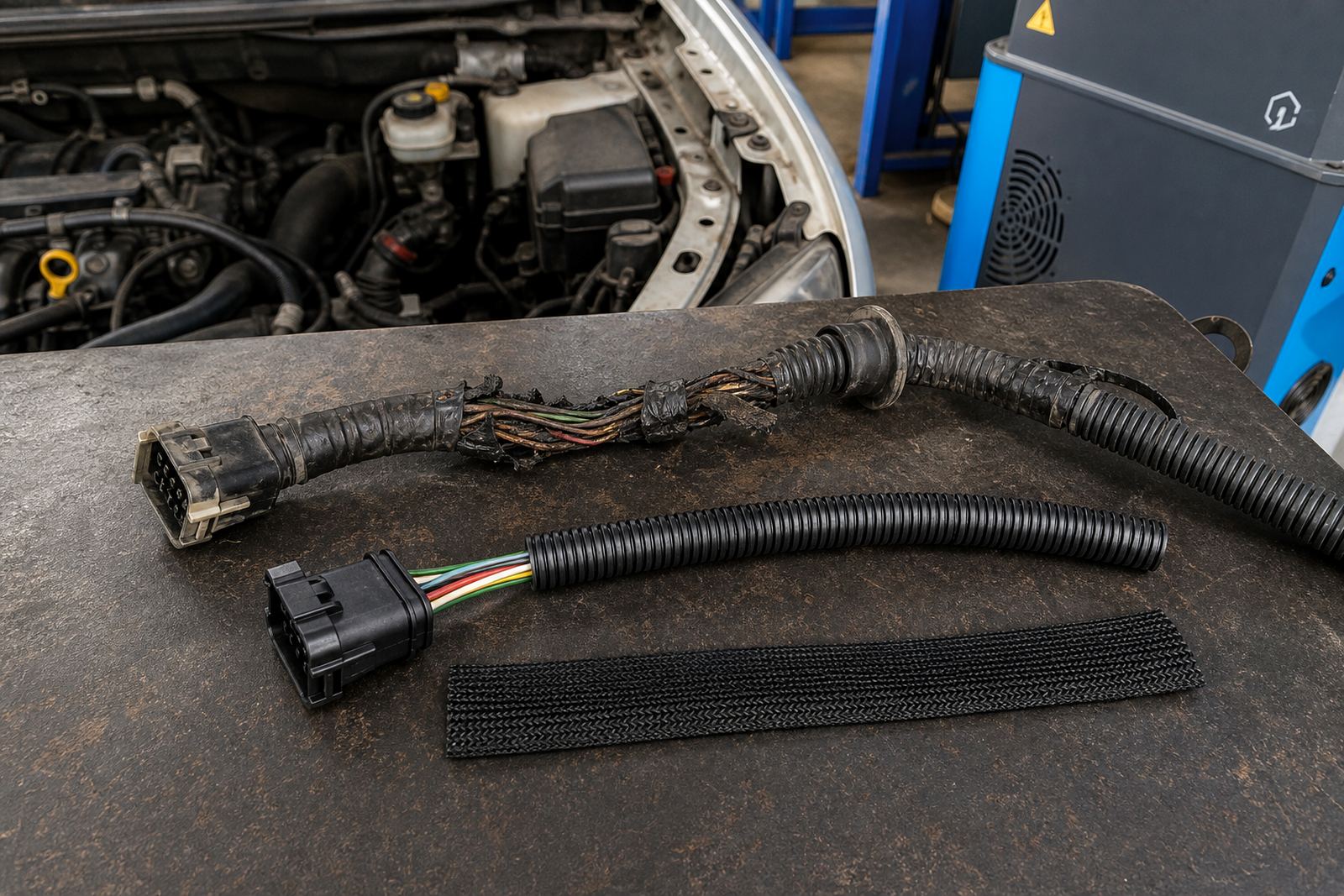
- Damaged alternator wiring or plug connections
- Worn belts or pulley issues
- Earth faults that mimic alternator failure
Live data tells the full story
Fault codes matter, but live data often gives the clearer picture. We use diagnostic readings to see how the charging voltage changes when the engine speed rises, when headlights switch on, and when the blower motor or rear screen draws extra current.
If the voltage drops sharply with load, the problem may sit in the alternator output stage, a tired battery, or a cable that cannot carry current properly. Some vehicles also use smart charging logic, so the output will vary more than older systems and needs to be judged against the vehicle's own control strategy.
- OBD fault codes and system data
- Battery condition under real use
- Alternator response at different engine speeds
- Charging behaviour during load changes
Why cable condition matters as much as the alternator
A strong alternator can still perform badly if the current cannot travel cleanly to the battery. That is why we test the positive feed, negative return and earth straps instead of only swapping parts and hoping the warning light disappears.
Voltage drop testing helps show where resistance is creeping in. A small rise in resistance can create heat, slow charging and odd electrical behaviour across the vehicle, from dim lamps to slow starter cranking the next morning.
- Positive cable resistance checks
- Earth strap testing from body to engine
- Fuse box and link inspections
- Terminal cleaning where corrosion has built up
A local case from the road to Paarden Eiland
A fleet bakkie from the Bellville side came in with a battery warning lamp that stayed on during delivery runs. The driver had already replaced the battery, but the fault kept returning after short trips through town and a few longer runs toward the N1 corridor.
The charging test showed normal alternator output at first, then a sharp drop once lights, air-conditioning and a tailgate load were switched on. The issue was not the battery. A cracked cable section and a tired earth point were raising resistance, so the system could not hold voltage under real load.
After the wiring repair and earth correction, the charging values settled properly and the vehicle was back to steady use. That kind of fault is common in working vehicles, where vibration and age can wear a cable long before it looks damaged from the outside.
When the test leads into repairs
A charging test often points the technician toward the real repair. In our workshop and on mobile call-outs across Cape Town, Milnerton, Somerset West and Paarl, the next step may be alternator work, starter circuit checks, battery drain tracing or wiring repair.
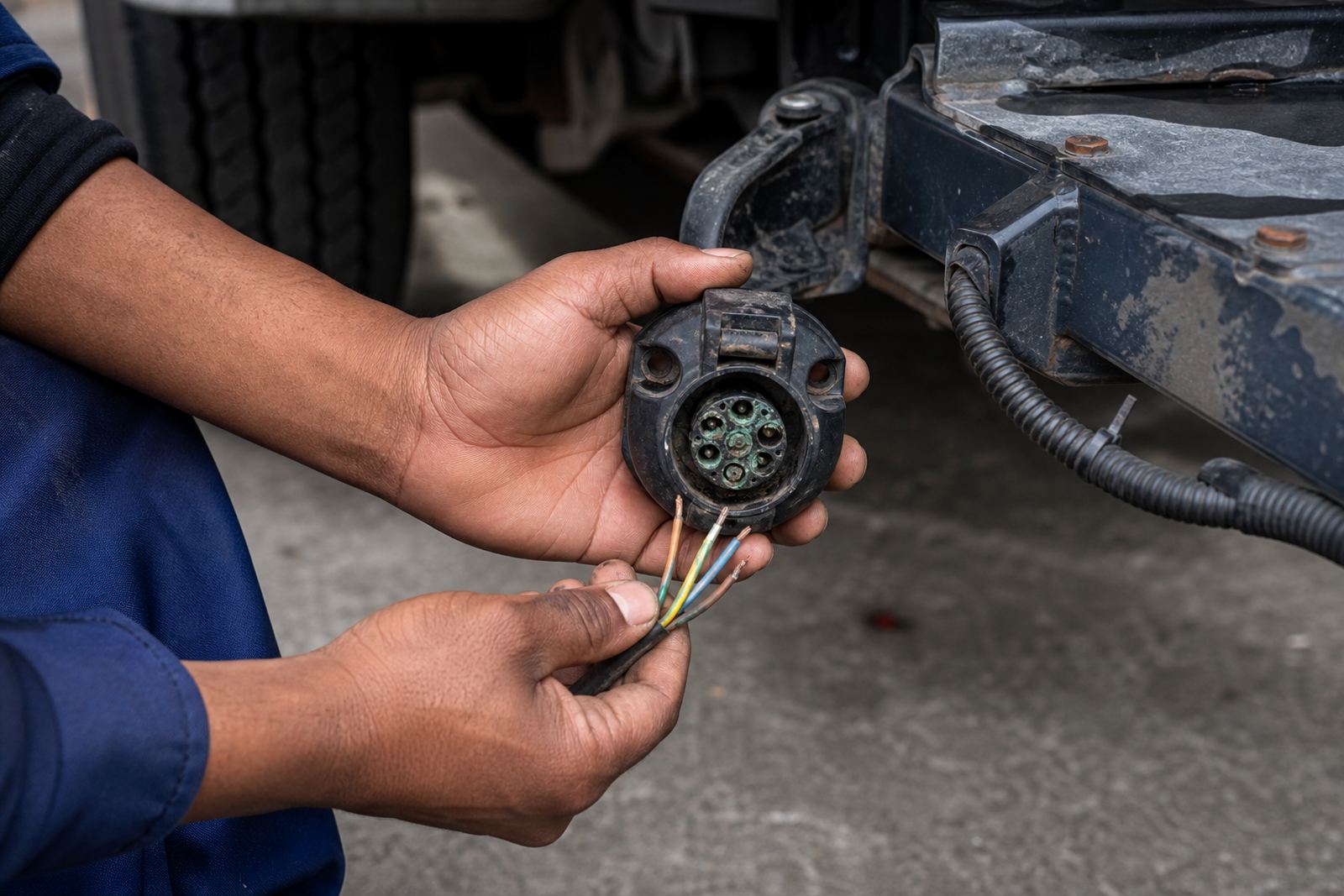
We also check related parts that can hide the true cause. A faulty fuse box connection, poor trailer wiring, an accessory that was fitted poorly, or a CAN bus fault on a modern vehicle can all change how the charging system behaves.
- Alternator repairs and replacement
- Starter circuit repairs
- Parasitic drain checks
- Tracker and accessory fitting reviews
- CAN bus fault checks where communication is involved
What a proper charging test should leave you with
After testing, you should know whether the charging system is healthy, weak or being dragged down by another fault. The value of the test is in narrowing the problem to voltage, cables, alternator output or a hidden electrical draw that needs attention.
For private owners and fleet operators, that saves money on parts. It also helps keep vehicles dependable for daily routes, school runs, site work and service calls across the Western Cape.
If the warning lamp, slow cranking or flat battery keeps showing up, a charging test gives a reading on the electrical system.