When the earth path gets tired
An earth fault is often missed because the battery still looks healthy and the vehicle may start normally on some mornings. The trouble sits in the return path, where current should move back cleanly through the body or engine block, but rust, loose fasteners, paint, heat or damaged cable strands get in the way.
That extra resistance changes the picture across the whole vehicle. A starter may draw harder than it should, lamps can glow weakly, and control units may see voltage drops that do not match the real fault. On modern vehicles, even a small voltage difference can upset sensor readings and trigger codes that seem unrelated.
- Slow cranking when the engine is warm or cold
- Headlights that dim when a fan, wiper or demister switches on
- Dashboard warnings that clear and return without a clear pattern
- Clicking relays, flickering lamps or unstable accessories
Signs that point to a bad earth connection
Some symptoms are easy to notice if you pay attention to how the vehicle behaves under load. A bad earth may show up as a hard start on Monday after standing all weekend, then seem fine after a short drive. Fleet owners in Montague Gardens often spot this in bakkies and delivery vehicles that do short runs, idle often, and work in salty coastal air.
Look for changes that happen when the engine is moving more current, not just when the key is turned. A light fault, a radio that resets, or a warning lamp that comes and goes can all sit back to the same poor return path.
- Dim interior lights or a bright-to-dull swing with engine speed
- Starter clicks but does not spin strongly
- Odd sensor faults after battery replacement
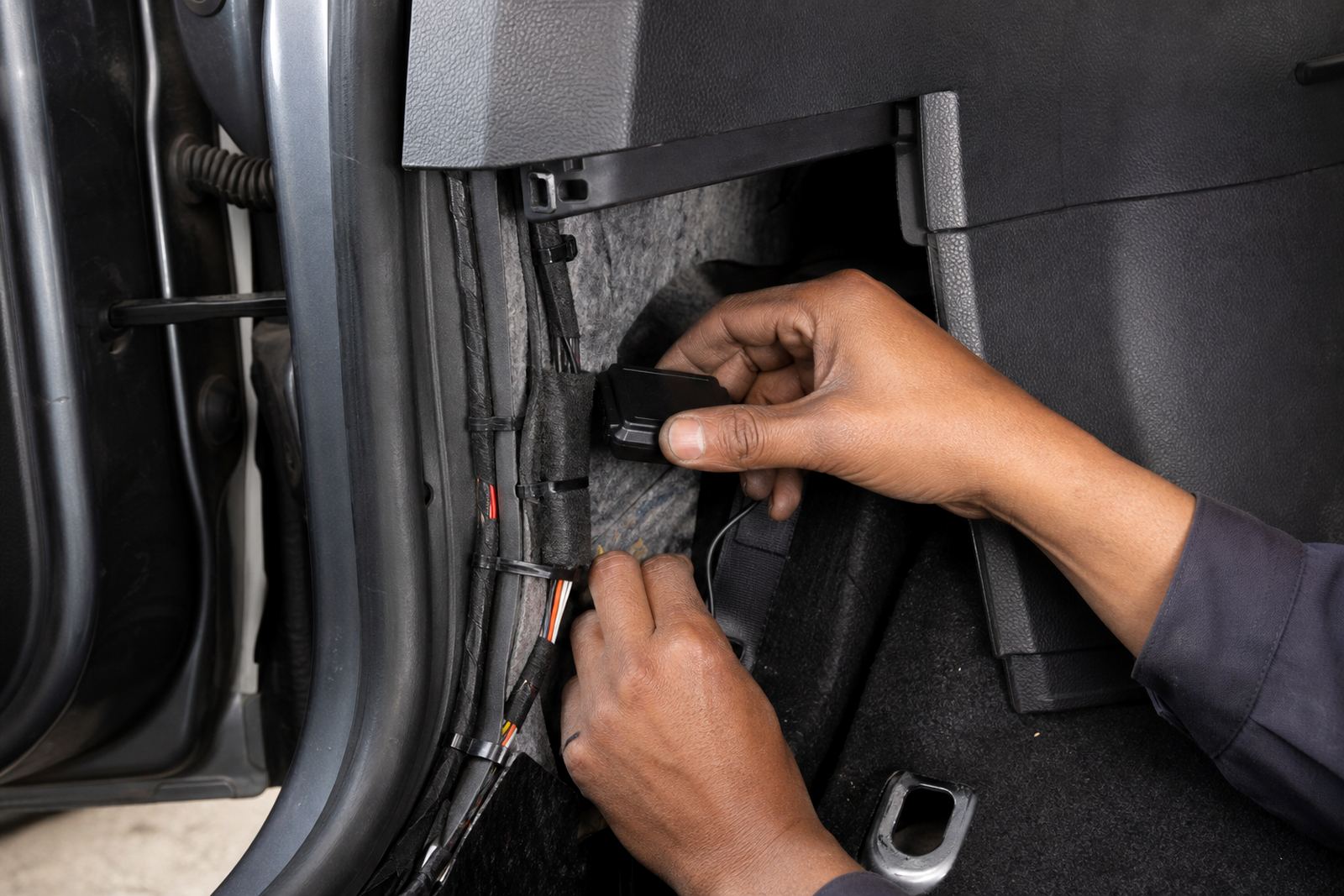
- Accessory glitches, including tracker resets or dead charging points
What earth problems do to diagnostics
Fault codes can mislead if the ground path is unstable. A technician may see codes for low voltage, communication loss or sensor performance, then find the real issue in a corroded ring terminal, loose engine strap or damaged body earth. That is why readings need to be checked under load, not only with the engine switched off.
Live data helps separate the electrical cause from the symptom. If a battery test looks fair but the voltage drops badly during cranking, the earth side deserves close attention. On CAN bus systems, weak grounds can disturb module communication and create false trouble codes that look like a control unit failure.
- Voltage drop testing across battery negative to engine block
- Inspecting earth straps for heat marks, corrosion and broken strands
- Checking body earth points after accident repair or panel work
- Comparing live data before and during cranking
Where the fault usually hides on local vehicles
In Cape Town, coastal moisture and road grime speed up corrosion around battery terminals, chassis points and loom joins. Vehicles that spend time in Bellville, Milnerton, Somerset West or Paarl can pick up different wear patterns, but the weak point is often the same: a joint that has gone high resistance from age, vibration or poor contact.
We often find trouble near the battery tray, the gearbox earth, the engine-to-body strap and rear lighting circuits. Trailer wiring can also introduce strange symptoms if a shared earth is loose or damaged, especially when extra lamps are fitted and the load rises.
- Battery negative clamp and nearby cable ends
- Engine ground strap to body or chassis
- Tail light and trailer socket earth points
- Accessory grounds added during past installations
A Montague Gardens case that looked like three separate faults
A private owner brought in a family vehicle from Durbanville with dim headlights, a rough start and a warning light that stayed on after a battery check. The first scan showed a handful of unrelated codes, which is common when the earth path is unstable. Once the wiring was tested under load, the pattern tightened fast.
The issue sat in a corroded earth connection near the front end and a damaged cable section close to the battery. After the repair, the starter turned properly, the lights held steady and the fault codes no longer pointed in random directions. The owner had been chasing one symptom at a time, when all three were linked to the same poor return path.
How V-Auto tests earth faults before parts get changed
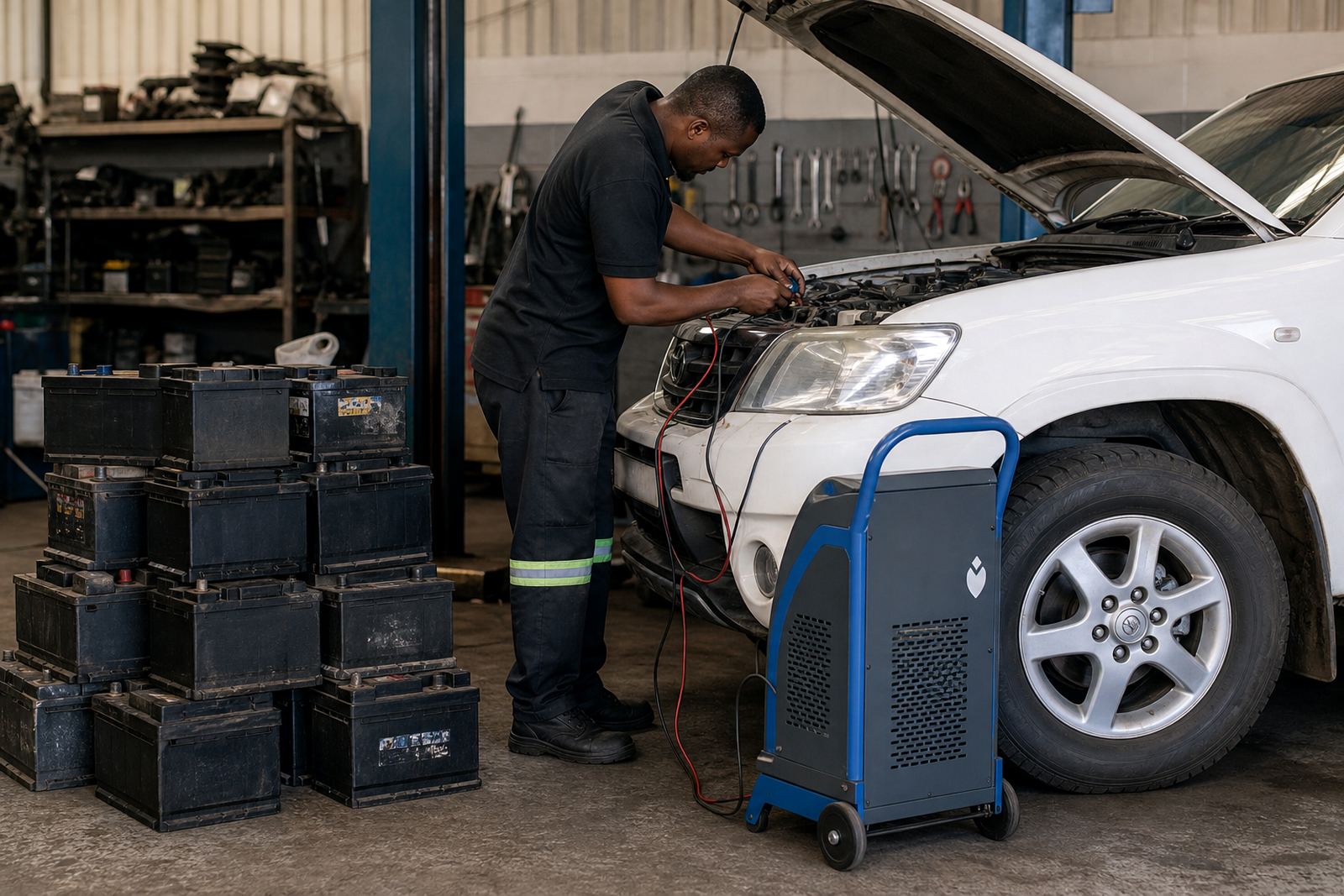
Our workshop in Montague Gardens handles diagnostics and auto electrical fault-finding for private owners and fleet vehicles, with mobile call-outs across Cape Town and nearby areas. We look at the whole circuit, not only the part that looks tired, and we test the battery, charging system, starter draw and voltage drops before anything is replaced.
Earth faults often sit beside other wiring issues, so we also inspect fuses, connectors, loom damage and accessory wiring where needed. That approach helps when the vehicle has a tracker, extra lighting, trailer wiring or a starter circuit fault that only shows under certain conditions.
- Battery and charging tests under real operating load
- Starter and alternator checks for current draw and output
- Earth fault tracing on body, engine and accessory circuits
- Mobile support for fleets across the Western Cape
When to have the circuit checked
If the lights keep changing brightness, the vehicle starts poorly, or the same warning returns after parts have been swapped, the earth side needs proper diagnosis. Replacing a battery or alternator without checking the return path can leave the fault in place and send the next test in the wrong direction.
For wiring repairs, charging system faults, starter issues, battery drain checks, CAN bus fault checks or trailer wiring problems, our team can test the circuit and repair the weak point properly. That is usually the quickest way to stop small voltage losses from becoming repeated breakdowns.