When a loom starts rubbing, trouble follows
A wiring loom seldom gives up in one hit. It starts with a rubbed outer sleeve, a brittle tape wrap, or a clip that no longer holds the loom clear of a bracket. From there the fault can move from a warning light to a dead circuit, then into intermittent issues that only show up when the engine moves or the road shakes the body. In Montague Gardens and across Cape Town, that kind of wear shows up often on bakkies, panel vans and work vehicles that spend long hours on rougher routes.
Good routing keeps the loom away from exhaust heat, fan blades, steering parts and metal edges. It also gives the next technician a fair chance of tracing the line without pulling half the vehicle apart. A loom that is tucked, clipped and sleeve-protected is easier to test, and far less likely to fail where moisture or vibration can reach it.
The places where wiring gets hurt first
Most loom damage happens in familiar spots. Under the bonnet, the wiring may run close to a battery tray, radiator support, or a metal edge with no grommet. Under the body, it can hang too low near suspension travel, tow points or road spray. Inside the cab, it may be pinched under trim, seat rails or a loose accessory that was added without enough planning.
- Heat near exhausts and turbo areas can harden insulation.
- Sharp edges cut through sleeving during engine movement.
- Loose clips let the harness shake until conductors fatigue.
- Moisture and salty coastal air can accelerate rust on exposed joints.
- Poor earth points create strange faults that look electronic but begin with a bad route.
On coastal runs around Milnerton and Somerset West, humidity adds another layer. Moist air works into connectors that were already stressed, then corrosion raises resistance and the fault becomes harder to pin down. That is why tidy routing is not just about looks, it protects the job from the weather and the road together.
What a careful route looks like in workshop work
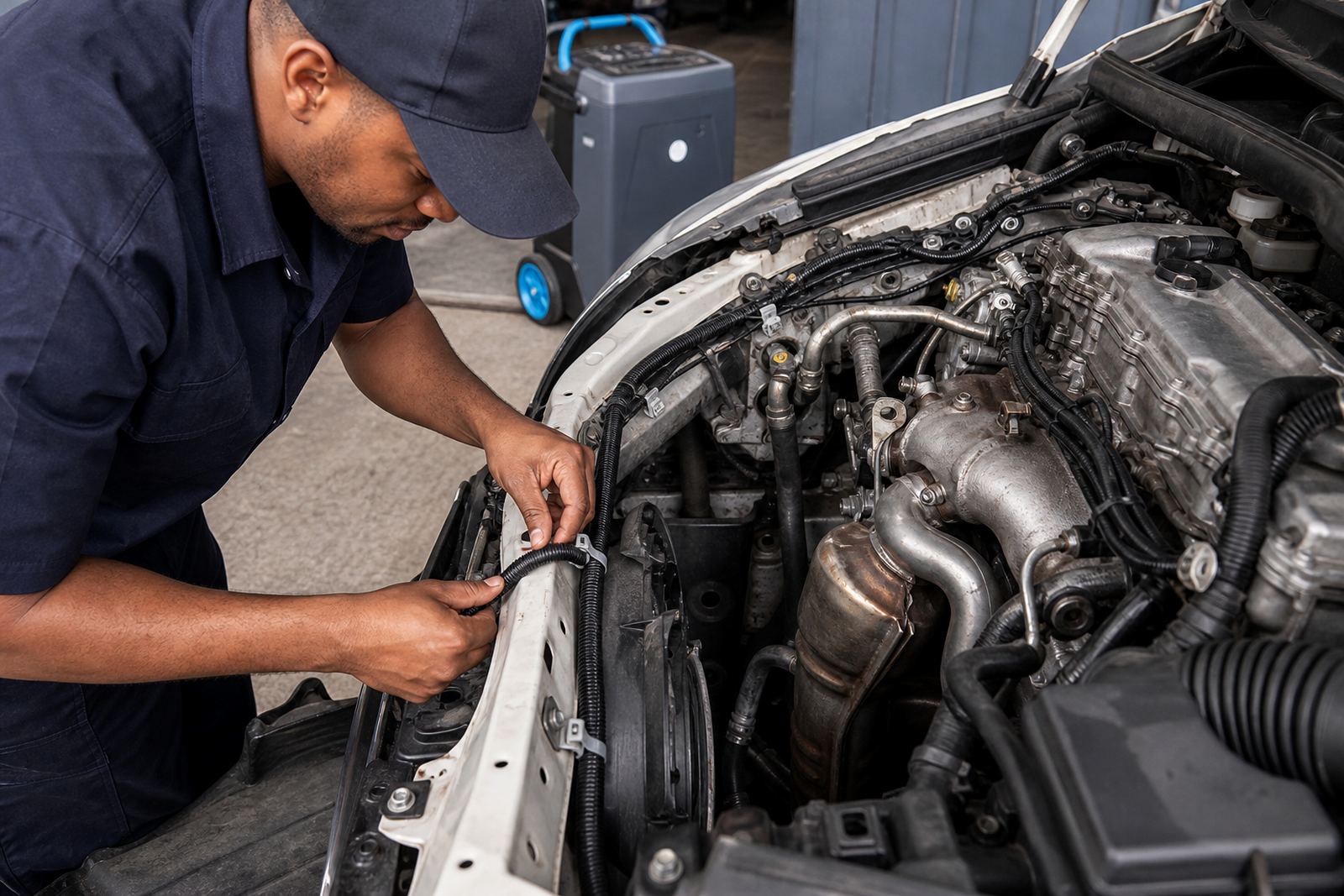
When we trace a wiring fault, we do not only look at the broken section. We check how the loom is held, where it bends, and whether the original path left enough slack for engine movement and body flex. A proper route uses clips, sleeves, grommets and secure mounting points. It also leaves service access where a fuse box, alternator connector or starter circuit may need future testing.
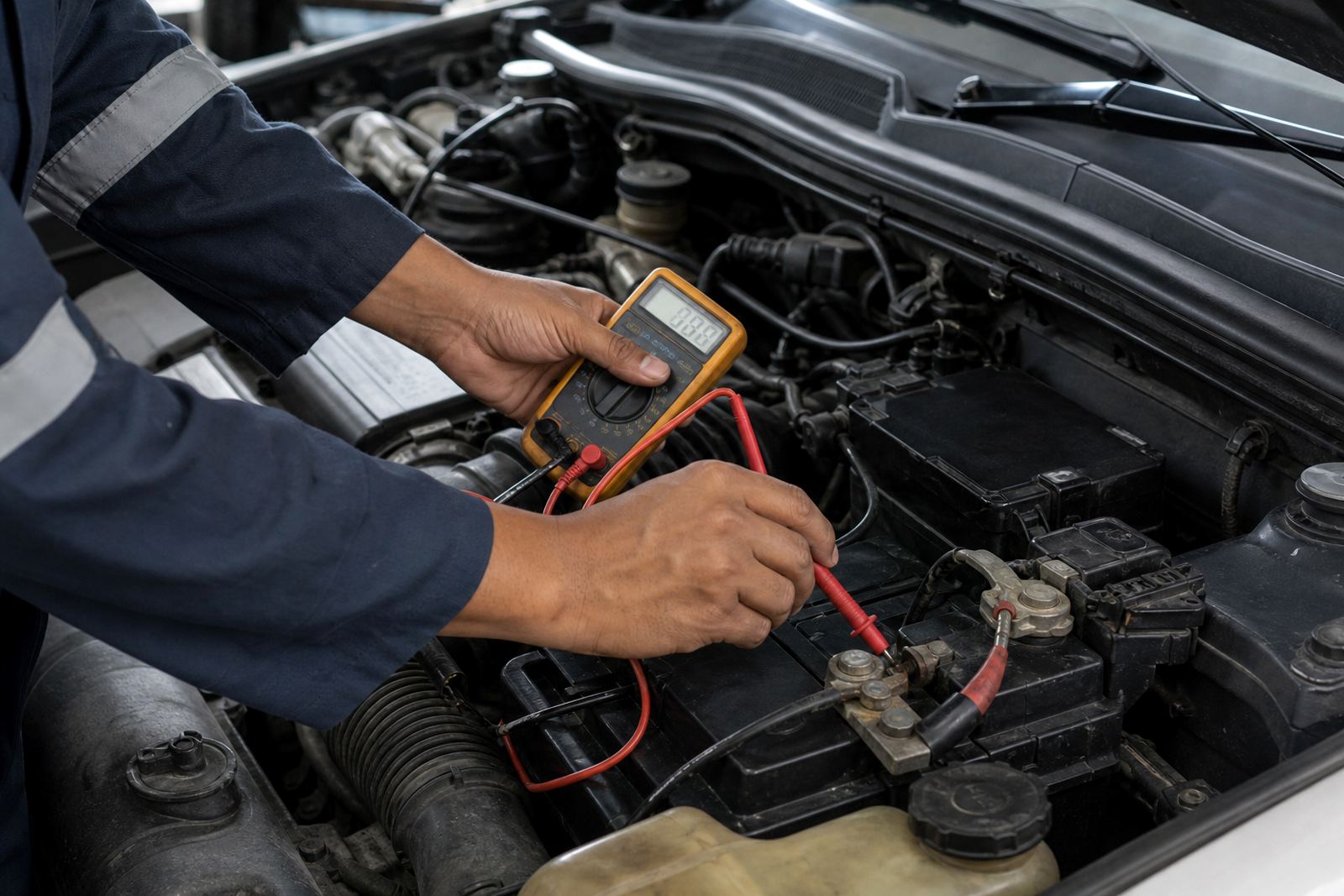
In a workshop like ours, loom routing sits beside diagnostics, starter repairs, alternator work and charging system tests. That matters because a fault code may point to a module, while the real problem is a crushed wire or poor earth nearby. Tidy routing helps us separate a live data issue from a physical break, and it keeps the repair honest.
- Use sleeve protection where the loom crosses metal.
- Keep clear of pulleys, belts and steering joints.
- Allow movement near the engine without slack loops hanging low.
- Secure branch points so the harness does not twist.
- Route accessory wires away from sensitive signal lines when possible.
A local job from the Cape side of the work
A fleet vehicle from Bellville came in with repeat battery drain and an odd charging complaint. The scan tool showed no dramatic fault on its own, but live data and a physical check pointed to a loom that had been rubbing on a bracket near an added accessory feed. The outer wrap had worn through, the copper was exposed, and the earth path was working harder than it should have been.
We repaired the damaged section, rerouted the harness, secured the branch point and checked the charging system again. The vehicle left with cleaner routing and less strain on the circuit. That sort of work is common on vehicles that move between Cape Town, Brackenfell, Durbanville and Paarl, where road vibration and extra accessories can make a neat loom last far longer than a loose one.
Tracker and accessory fitting should respect the factory loom
Trackers, extra lights, trailer plugs and other accessories need their own wiring plan. If those wires are tied into the wrong place, or left dangling beside hot and moving parts, the vehicle may end up with new faults that are hard to separate from old ones. A clean installation keeps the added circuit fused, clipped and separated from sensitive wires where practical.
CAN bus systems make this even more important. Modern vehicles depend on low-voltage signals that do not like poor splices, loose joins or badly placed taps. A neat accessory fit respects the existing loom, uses proper join methods and leaves enough access for later testing of the module, fuse box or earth point.
A cleaner loom pays off every time the bonnet opens
Well-routed wiring saves time on later diagnostics, but it also saves parts. A harness that is not chafing needs fewer emergency repairs, fewer mystery faults and less time spent chasing the same problem through three different circuits. That matters for private owners, and it matters even more for fleet operators who need vehicles moving through the week.
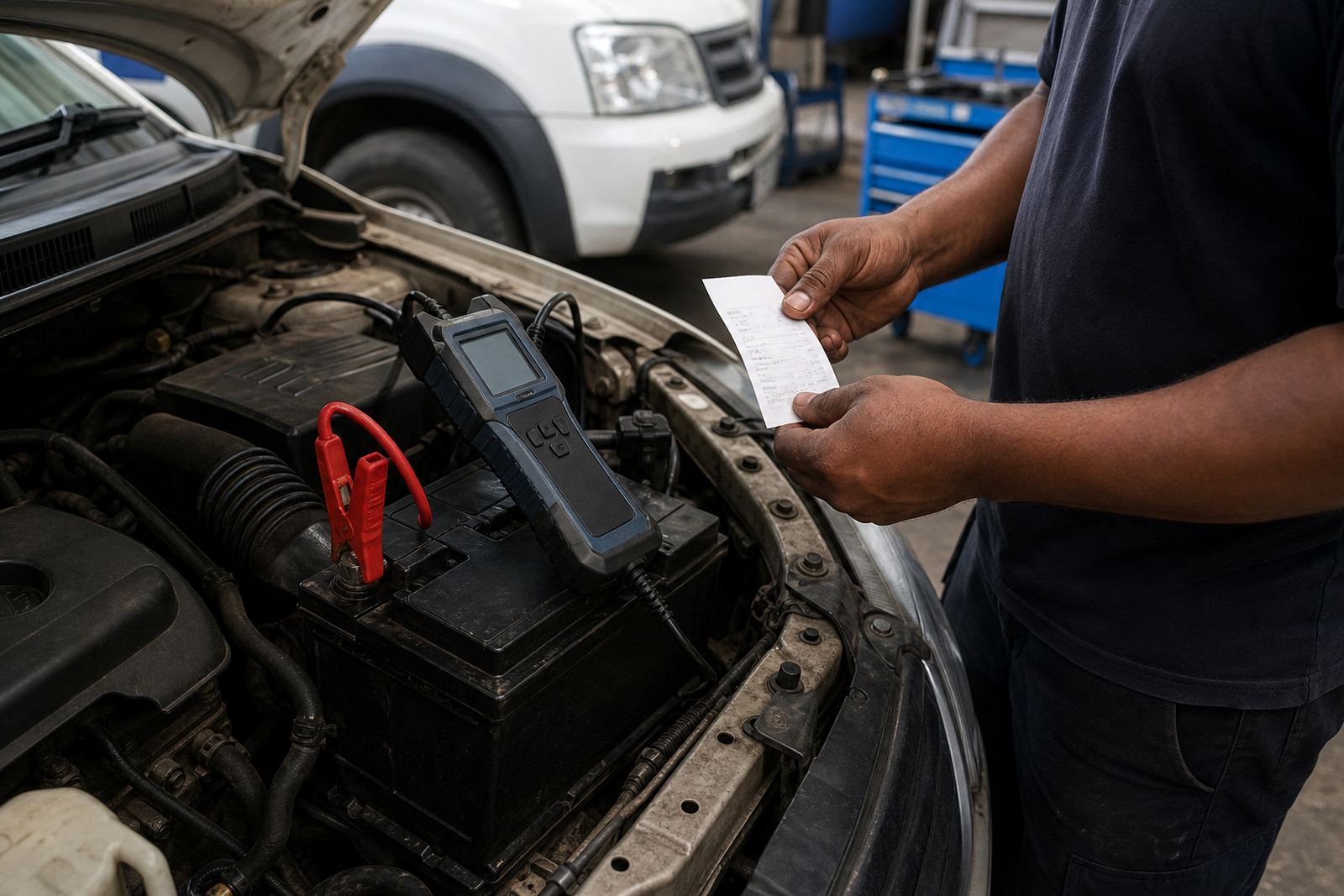
At our Montague Gardens workshop, tidy loom routing sits alongside battery testing, starter circuit checks, alternator repairs and wiring repairs. For vehicle owners in Cape Town, Milnerton, Somerset West, Bellville and Paarl, the useful part is plain enough: the wire should stay where it was meant to stay, and away from the places that eat insulation for lunch.