When a fault code points to the wrong part
Modern vehicles often set a code for a sensor, then the real problem sits in the wiring path that feeds it. A crank sensor, wheel speed sensor, pressure sensor or temperature sender may be blamed by the ECU when the supply voltage is low, the earth point is weak, or the signal wire has high resistance.
That is why a fault code is only the start of the job. We read the code, check the freeze frame data, then look at live readings while the engine is idling, cranking or under load. A reading that jumps, drops out, or sits fixed can point to a loose connector, rubbed insulation, water ingress or a broken conductor inside the loom.
On a Cape Town panel van or family car, the fault can look like a failed part for weeks. The actual issue may be a corroded earth under the battery tray, a damaged wire near the radiator support, or a relay feed that has gone weak after years of vibration.
Three checks that sort sensor trouble from wiring trouble
We follow a clear sequence on the job. Start with battery and charging health, then confirm the circuit supply, then test the signal path. A weak battery can skew many readings and make the ECU behave oddly, especially during cranking.
- Check battery voltage, cranking voltage drop, and alternator output with the engine running.
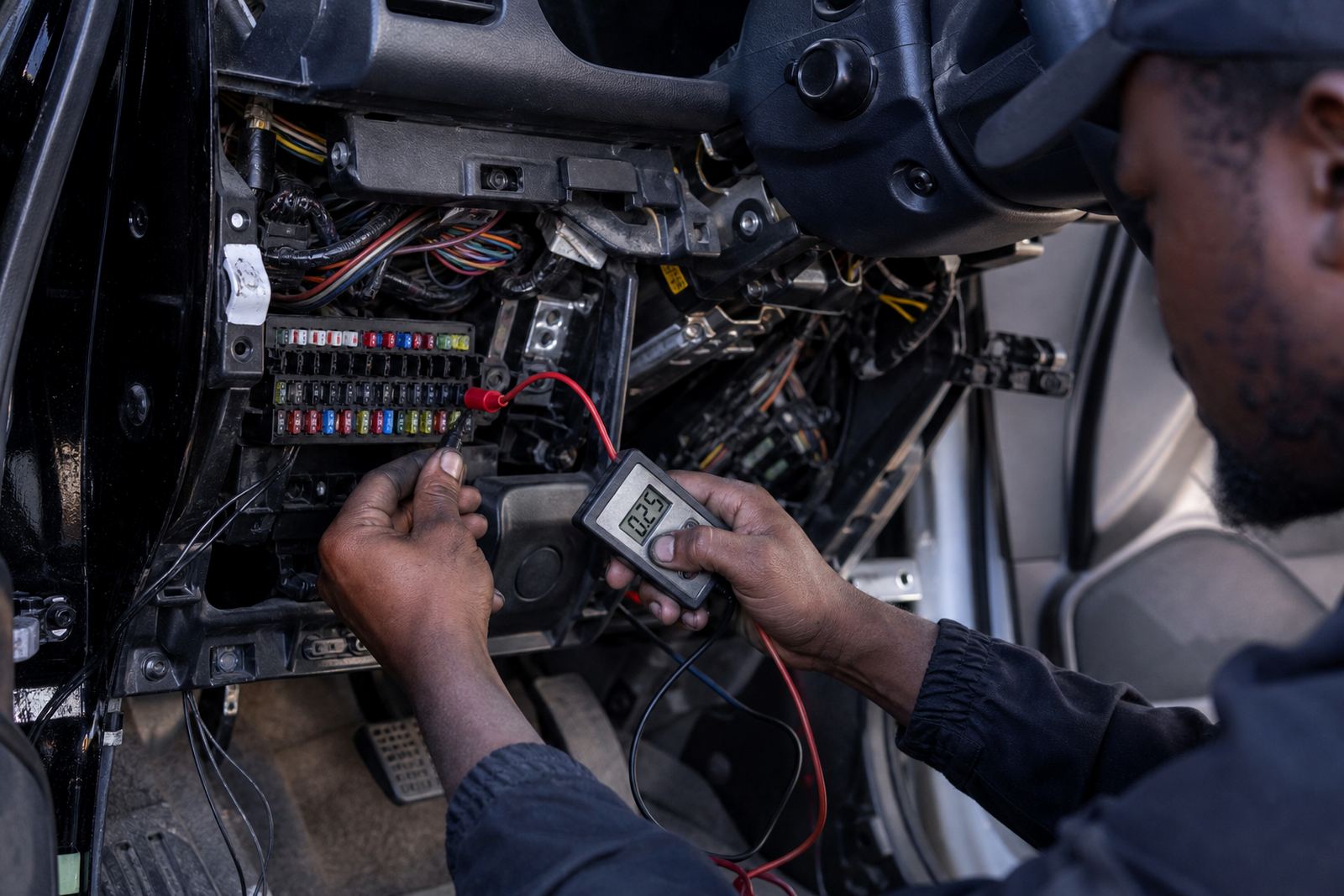
- Inspect earth points, fuse box feeds, connectors, pins and terminals for heat, rust or looseness.
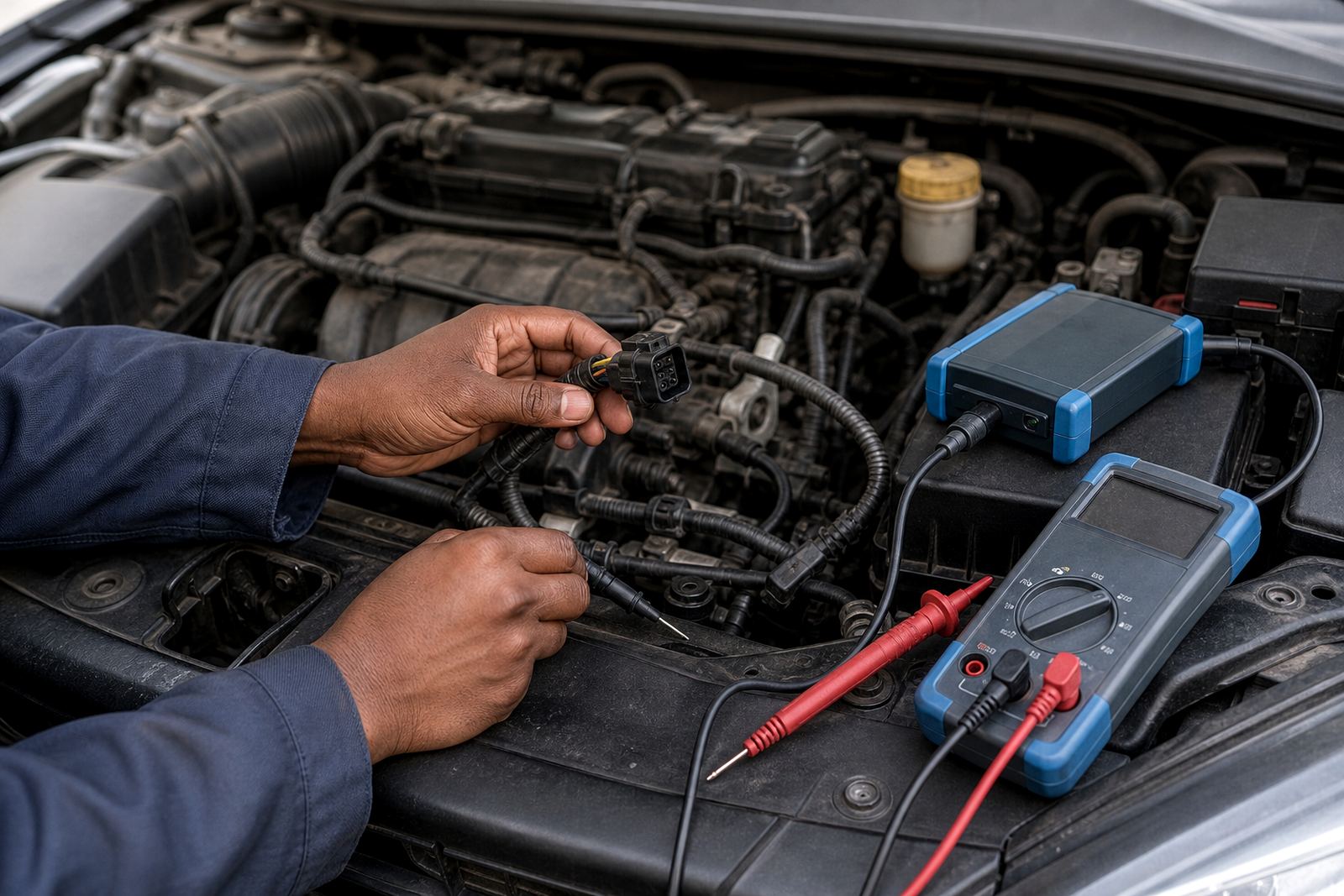
- Measure continuity and voltage drop on the signal wire, not only resistance with the key off.
- Compare live data from the suspect sensor with a known good pattern on the same vehicle type.
If the sensor has correct power and earth but the signal is missing, the sensor may be faulty. If the signal returns when the harness is moved, the fault is often in the wiring or connector rather than the component itself. That small distinction changes the whole repair plan.
What wiring faults look like in real workshops
Wiring faults can still leave a circuit partly working. Some are intermittent and only appear on rough roads, in wet weather, or after the engine bay heats up. A vehicle can drive normally in Montague Gardens and then throw a fault on the N1 after a long run.
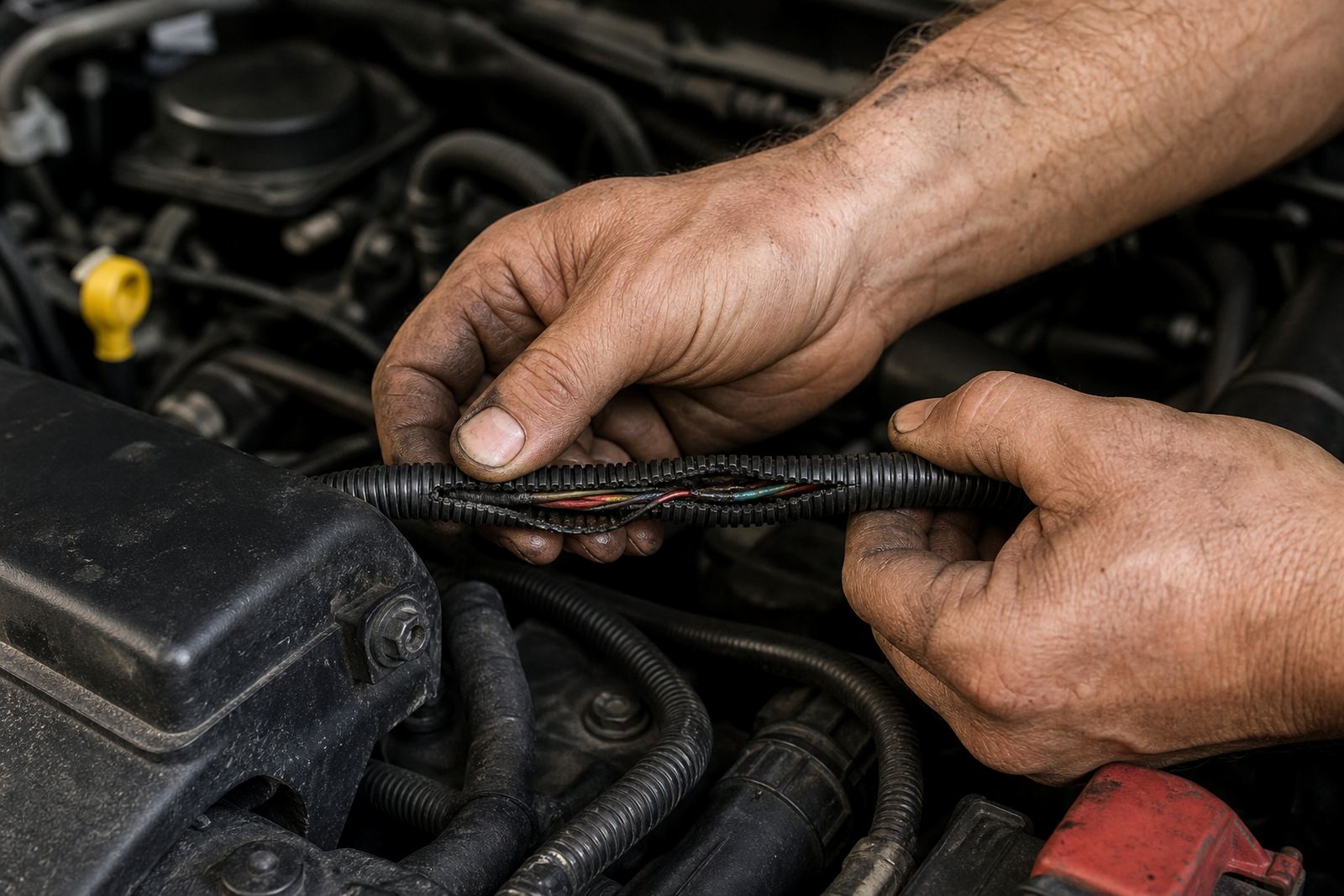
Common examples include broken wires inside the insulation, damaged loom tape, poor crimp joints, earth faults caused by body repairs, and shorts where a harness has rubbed through on a bracket. On diesel and petrol vehicles alike, bad routing near moving parts often creates repeat visits if the repair is only cosmetic.
When we trace a fault, we check the circuit under movement as well as at rest. That means flexing the loom, watching live data and testing from the ECU side back to the sensor side. It is slower than swapping parts, but it gives a cleaner result.
How CAN bus and shared circuits complicate the picture
Many late model vehicles use shared communication lines, so one wiring defect can disturb several systems at once. A CAN bus fault may trigger warning lamps, odd dashboard behaviour, no-start conditions, or missing readings from multiple modules. That does not automatically mean every module is bad.
In these systems, a short to earth, a short to power, or excess resistance on one branch can upset the whole network. A sensor may be fine on its own, yet the ECU cannot read it properly because the signal network is noisy or incomplete. That is where basic circuit knowledge matters.
- Look for multiple codes that appeared together, not just one isolated fault.
- Check module power feeds and grounds before chasing communication codes.
- Inspect previous repairs, splices and accessories that may have disturbed the loom.
- Test voltage drop across earths while the circuit is loaded, not just with a multimeter on a still vehicle.
Cape Town weather, coastal corrosion and workshop reality
Western Cape conditions affect wiring in ways that inland jobs do not always show. Salt air in Milnerton and harbour side areas, moisture in Bellville winter traffic, and heat cycling in Somerset West can all worsen connector corrosion and weak earths. Older vehicles and workhorses feel it first.
We also see trailer wiring problems on fleet vehicles that spend time on municipal roads, loading bays and industrial yards. A trailer light fault may look like a bulb issue, but the real cause can be a tired socket, a worn earth return or a damaged rear harness. The same logic applies to starter circuits and charging systems where voltage drop hides in plain sight.
For mobile call-outs across Cape Town, Paarl, Durbanville and Brackenfell, the aim is to test the circuit where it lives. That gives a more honest picture than swapping parts in the workshop after the fault has gone quiet.
Montague Gardens sensor circuit fault
A fleet bakkie came in with an engine warning light and a complaint of rough starting after overnight parking. The scan tool pointed to a sensor circuit, and the first glance suggested a replacement part. But the live data only failed when the engine was cranked, which pushed the fault away from the sensor body and toward the supply path.
We found a battery that was holding low voltage under load and an earth strap with heavy corrosion at the mounting point. The wiring to the sensor was intact, though the low system voltage was confusing the ECU and making the reading look faulty. After cleaning the earth, testing the charging system and repairing the damaged connection, the fault pattern changed completely.
That job is a good reminder for private owners and fleet managers alike. A sensor can be innocent, while the wiring and power path are doing the damage.
What good diagnosis protects on the next job
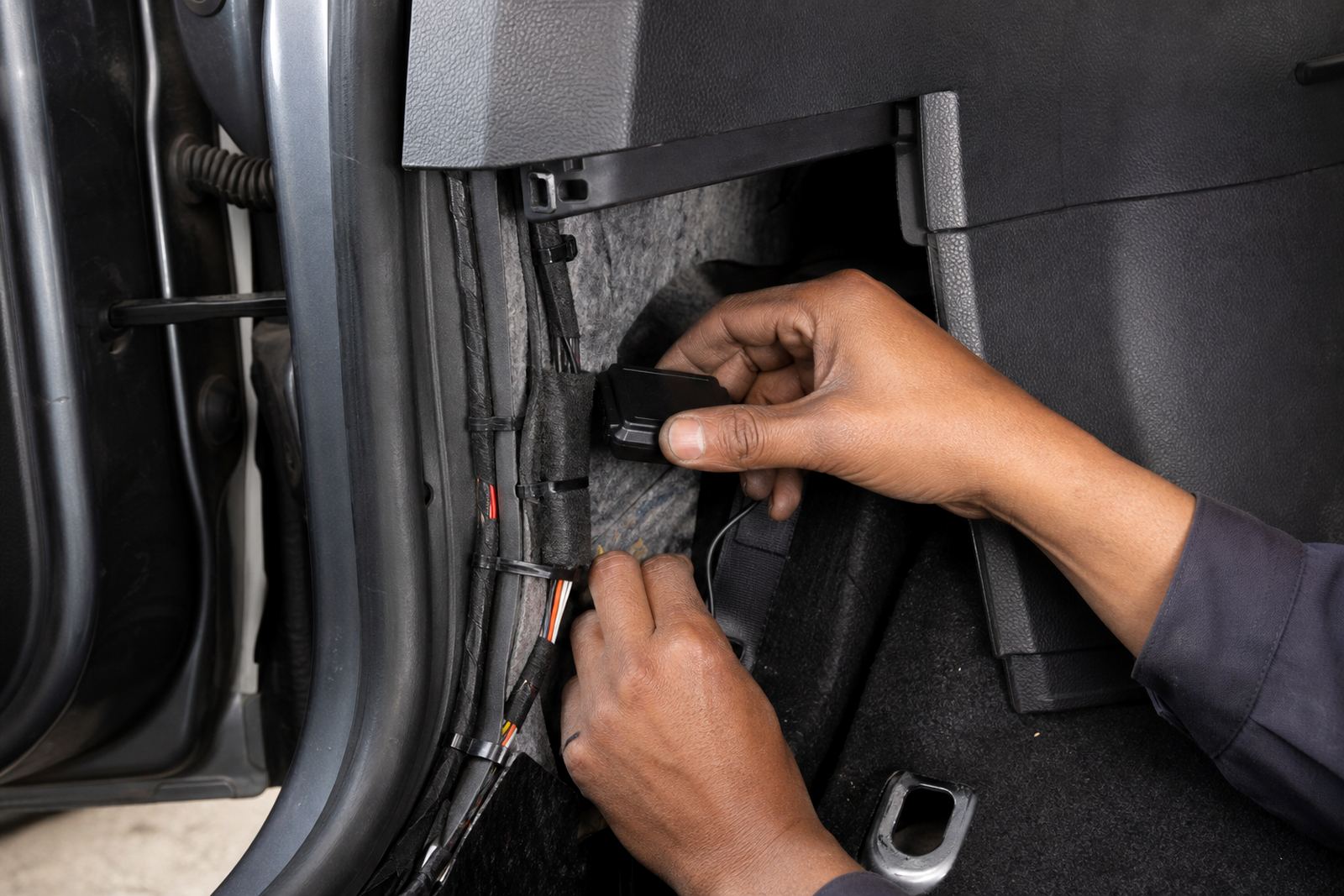
Separating sensor failure from wiring failure protects the repair budget and avoids repeat breakdowns. It also matters for accessories, trackers and extra lighting, because a rushed install can create noise on signal lines or overload an earth point. In a modern vehicle, one sloppy splice can affect more than one circuit.
At V-Auto in Montague Gardens, we work through diagnostic codes, live data, battery and charging checks, parasitic drain tests, starter repairs, alternator repairs and circuit tracing before parts are changed. That method suits workshop jobs and mobile call-outs across the Western Cape, because it deals with the cause not just the warning on the dash.
For owners in Cape Town, Bellville, Milnerton or Paarl, the smart move is to treat the code as a clue. The fault may be the sensor, but it may also be the earth, feed or signal wire that never looked guilty at first glance.